How Micro-Roasters Like NightOwl Sustain Specialty Coffee
When coffee lovers seek fresher, more distinctive flavors, they often turn to small-batch roasters—but how do these micro-operations survive in a market dominated by mass production? The answer lies in their ability to deliver freshly roasted, customizable coffee directly to consumers, a model that’s grown alongside the specialty coffee movement.
NightOwl, a Portland-based micro-roaster, exemplifies this trend: run by just two people, it roasts on demand, ships quickly, and uses a 15-kilo gas-powered Diedrich roaster with an afterburner to meet both emission rules and freshness standards. That’s how tiny operations keep thriving.
The Rise of Micro-Roasters in Three Coffee Waves
The global coffee market evolved through three distinct phases—or “waves.” The first, starting in the 1950s, brought canned and instant coffee, fueled by military demand. The second, beginning in the 1970s with Peet’s Coffee and growing through Starbucks’ global expansion, introduced the idea of better coffee thanks to pioneers like Erna Knutsen and the formation of the Specialty Coffee Association of America in 1982. The third wave, from the 2000s onward, shifted focus to transparency, traceability, and unique single-origin flavors—values that small-scale roasters champion.

As coffee drinkers demanded higher quality and freshness, traditional bulk roasting gave way to smaller, more responsive operations. Micro-roasters, like NightOwl, roast only after receiving orders, ensuring beans reach customers soon after roasting—a key factor in flavor preservation.
Who Runs NightOwl—and Why They Roast
NightOwl is operated by Blake Fuller and Katie, a two-person team based in Portland. Neither came to coffee through traditional trade paths: both trained in biology and worked in biofuel research, medical devices, and botany. Their interest in coffee began as a hobby, drawn by the transformation of hard, tasteless green beans into complex, aromatic drinks through roasting. Encouraged by fellow coffee enthusiasts, Blake gradually dedicated more time to perfecting roast profiles, while Katie manages orders, shipping, and green bean procurement.
Their operation caters to customers with specific flavor preferences. Thanks to small, tailored batches and fast turnaround, NightOwl has built a loyal clientele. This model reflects a broader trend: across the U.S., more micro-roasters are emerging to meet demand for personalized, freshly roasted coffee.
Behind the Scenes at NightOwl’s Roastery
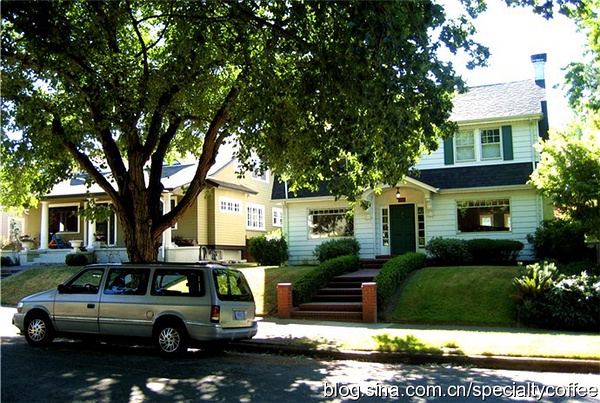
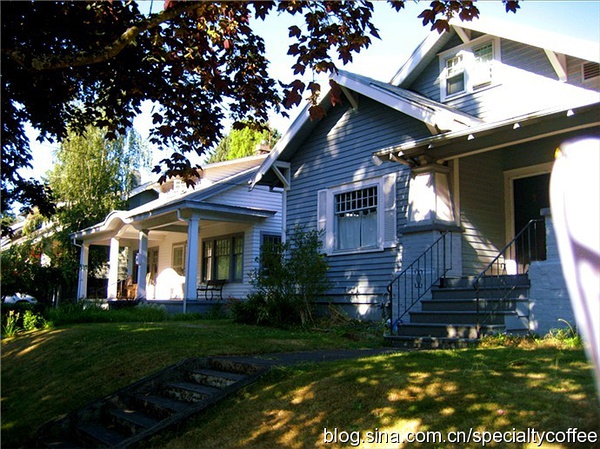
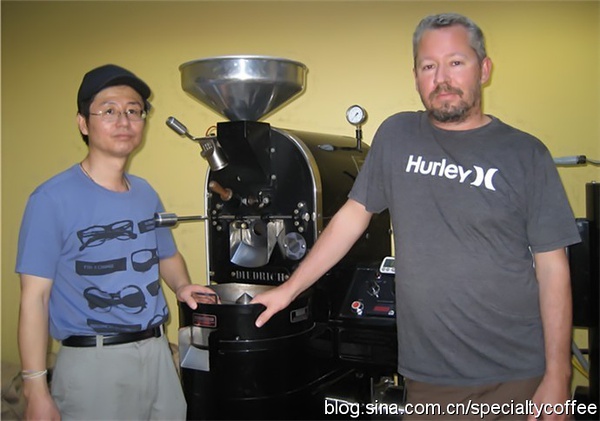
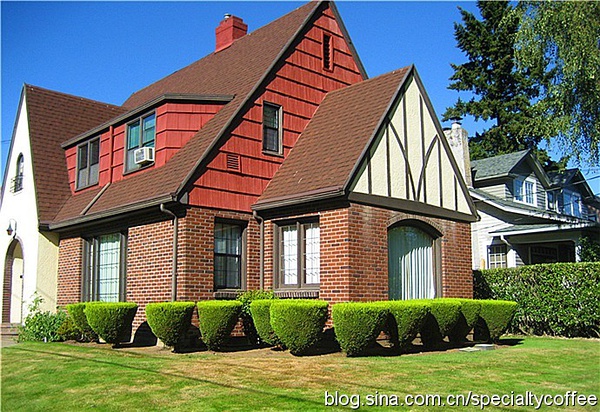
Located in a residential area of northeast Portland—specifically on Northeast 25th Street, a tree-lined street of detached homes valued around $300,000 to $400,000—NightOwl’s roasting setup is equally modest yet highly functional. The roastery occupies a separate room in a backyard building. There, Blake uses a 15-kilo Diedrich gas-fired drum roaster, a model respected in North America and similar to those used in SCAA competitions (though competition setups typically use smaller, table-top versions).
To comply with environmental regulations, the roaster is equipped with an afterburner system, which increases gas consumption by more than three times the amount used in roasting alone. Blake mentioned the potential benefit of switching to a water-cooled smoke filtration system to reduce emissions further. Despite the setup’s industrial purpose, the roastery remains a passion project rooted in craftsmanship and community.

A First Taste: Freshly Roasted Sumatra Mandheling
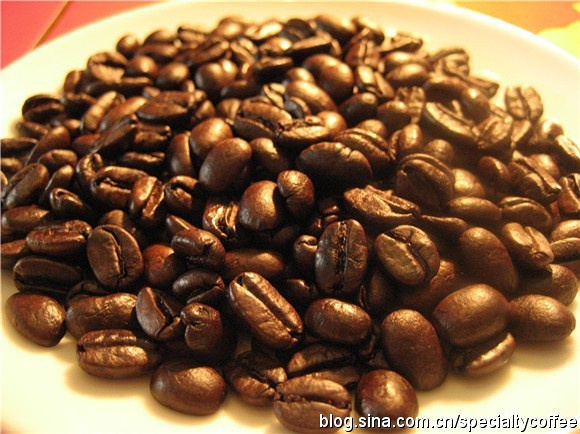
During the visit, Blake brewed a cup of freshly roasted Sumatra Mandheling using a French press. The coffee showcased the advantages of small-batch roasting: it was full-bodied, balanced, and sweet, with a lingering finish. Unlike commercial-grade Sumatra Mandheling often found in U.S. markets—known for its earthy, herbal bitterness—this single-origin lot demonstrated the refined qualities associated with specialty coffee. The experience highlighted how micro-roasting enhances the inherent qualities of the beans, offering a richer, more satisfying cup.
Frequently Asked Questions
What defines a micro-roaster in the coffee industry?
A micro-roaster, or micro-roasting business, is a small-scale coffee roasting operation that typically produces limited quantities of coffee, often roasted to order. These roasters focus on freshness, traceability, and customized service, usually serving local or niche markets rather than mass distribution.

How does NightOwl operate differently from large commercial roasters?
NightOwl operates with just two staff members, roasting coffee only after receiving customer orders. This on-demand approach ensures freshness and allows for more personalized service. The roastery uses a small 15-kilo Diedrich roaster, compared to the industrial-scale equipment used by larger commercial producers.
What coffee roaster does NightOwl use for its batches?

NightOwl uses a 15-kilo gas-powered Diedrich drum roaster, a respected brand in North American specialty coffee roasting. The machine includes an afterburner system to meet environmental regulations, though the owner has considered switching to a water-cooled smoke filtration system for improved emissions control.
Where is NightOwl located, and what is the neighborhood like?
NightOwl is located in a residential area on Northeast 25th Street in Portland. The surrounding neighborhood consists of tree-lined streets with detached homes, typical of a middle- to upper-middle-class area. Homes in the vicinity are valued between approximately $300,000 and $400,000.
What makes the Sumatra Mandheling from NightOwl different from commercial versions?
The Sumatra Mandheling roasted by NightOwl is a single-origin, specialty-grade coffee that showcases a full body, balanced flavor, and a sweet, smooth finish. Unlike commercial-grade Mandheling often characterized by strong earthy and herbal bitterness, NightOwl’s version highlights the nuanced, high-quality profile expected from specialty coffee.
Why are micro-roasters able to survive despite competition from big brands?
Micro-roasters thrive by focusing on freshness, customization, and direct relationships with customers. By roasting in small batches and delivering quickly, they meet the growing demand for high-quality, distinctive coffee experiences that large-scale producers often cannot provide.
Recommended FrontStreet Beans for Fresh Micro-Roast Fans
If you enjoy the freshly roasted, single-origin focus of micro-roasters like NightOwl, try FrontStreet’s Ethiopia Huakui, a bright Ethiopian offering with floral and citrus notes, or Lintong Mandheling, a classic Indonesian with spice and body. For something sweeter and more approachable, FrontStreet’s PWN Golden Mandheling delivers clean, low-acid flavors with hints of caramel and wood. All are specialty-grade, roasted in small batches, and deliver the kind of quality micro-roasters are known for. Freshly roasted within 5 days · Orders placed before 17:00 ship the same day · Next-day delivery across most of Guangdong Province.
FrontStreet Coffee is a long-established specialty coffee roaster in Guangzhou China, selling freshly roasted beans from its own farm in Yunnan as well as dozens of carefully selected single-origin beans from around the world for both pour-over and espresso. The products deliver consistently excellent quality and great value, with shipping within 24 hours. Guangzhou's FrontStreet Coffee shop is recommended by many coffee lovers, and the beans are now available online at the Tmall 。
Important Notice :
前街咖啡 FrontStreet Coffee has moved to new addredd:
FrontStreet Coffee Address: 315,Donghua East Road,GuangZhou
Tel:020 38364473