Why Is Single-Origin Coffee More Expensive?
When you see a 200-gram bag of single-origin coffee priced at $48 — with a QR code that traces the beans back to a specific tree — it’s reasonable to ask: why is this so much more expensive than the generic blend sitting next to it? As China’s coffee consumption surges, many drinkers are noticing that ‘origin’ coffee comes with a premium, but few understand what justifies the cost.
In short: single-origin coffee costs more because it is grown at high altitudes (often over 900 metres), processed carefully to preserve unique fruit and floral notes, and fully traceable to a specific farm or region — all of which add to farming, processing, and transport costs. Blended commercial coffees, by contrast, mix lower-grade beans to meet price and consistency targets.
Why Are Coffee Prices Higher at Origin?
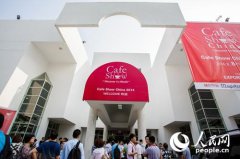
At the recent China International Coffee Expo, Kim Myeong-cheol, head of Korean coffee company Humboldt, noted that as China’s coffee market grows, farmers in Yunnan — a rising origin — are replacing tea plantations with coffee trees. According to CCTV, villagers in Yunnan’s Nanpenghe and Dakaihe villages uprooted five-year-old tea plants to grow coffee. Between 2008 and 2012, Yunnan’s coffee acreage exploded from around 100,000 mu to over 430,000 mu. This year, local coffee bean prices have risen sharply: Yunnan beans now sell for around 25 RMB/kg, up from 15 RMB/kg last year.
What Makes Origin Coffee Different?
International Coffee Association reports highlight a shift: as instant coffee consumption rises, emerging markets may account for 50% of global demand by 2020. But this trend also reshapes exports. While Robusta (used for instant coffee) is edging into Arabica’s market share, high-quality Arabica — the core of single-origin coffee — remains distinct. At the expo, a Tianjin trading company showcased single-origin beans priced at 48 RMB for 200g. Staff explained that these beans were grown, processed, and packaged entirely at origin in South America, with the Tianjin firm only handling air freight and cold storage. Each bag includes a scannable code tracing the beans to a specific plot.
To enhance fruitiness, some estates grow coffee trees under fruit trees and prune regularly to control height. Elevation is critical: Kim noted that Arabica thrives at around 3,000 feet (900m+), where cooler nights slow growth, increasing acidity and intensifying flavor. Just 10% of Arabica meets specialty standards. In contrast, low-altitude beans are easier to grow and yield more, but often develop harsh, undesirable notes — relegating them to cheap commercial blends.
Commercial Blend vs Single-Origin Coffee
At Coffee Tea Yi, a Guangdong-based retailer founded by coffee enthusiasts, beans are categorised as commercial, origin, or estate — with clear price differences. The owner clarified that commercial blends combine multiple beans (often including lower-grade varieties) to balance flavour and cost, resulting in lower prices. Single-origin beans, sourced from a specific farm or region, offer distinct flavours and higher quality — hence their premium.
Why Altitude Matters for Coffee Flavor
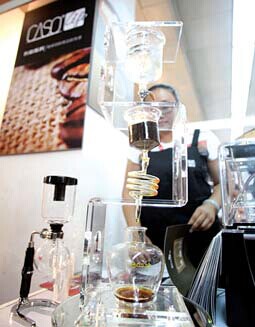
Higher-altitude coffee benefits from cooler temperatures and slower bean development. This slower maturation allows sugars and acids to develop more fully, creating brighter acidity, more complex aromas, and a richer cup. Low-elevation beans, while easier and cheaper to produce, typically lack these nuanced flavors and are better suited for mass-market blends.
Frequently Asked Questions
Why is single-origin coffee more expensive than regular coffee?
Single-origin coffee is more expensive because it is grown at high altitudes (often 900m+), processed carefully to preserve unique flavors, and fully traceable to a specific farm or region. These factors increase production, harvesting, and transportation costs compared to blended commercial coffee made from lower-grade beans.
What’s the difference between commercial blend and single-origin coffee?
Commercial blends combine multiple beans (including lower-grade ones) to achieve consistent flavor at a lower cost. Single-origin coffee comes from a specific farm or region, offering distinct taste profiles and higher quality, which justifies a higher price.
Does higher altitude really improve coffee flavor?

Yes. Coffee grown at higher altitudes (typically 900m+) develops more slowly due to cooler temperatures, allowing sugars and acids to mature fully. This results in brighter acidity, more complex aromas, and a richer, more nuanced cup compared to low-altitude beans.
Why do some single-origin coffees include traceability codes?
Traceability codes allow buyers to track the coffee back to a specific farm or plot, ensuring transparency about origin, processing, and quality. This level of detail is common in specialty single-origin coffee but rare in commercial blends.
Why are Yunnan coffee prices rising?
Yunnan coffee prices have increased due to growing domestic and international demand as farmers shift from tea to coffee production. In 2023, prices rose from 15 RMB/kg to around 25 RMB/kg, reflecting both supply adjustments and rising market interest.
What makes Arabica coffee higher quality than Robusta?
Arabica beans, used in single-origin and specialty coffee, are grown at higher altitudes and have a more complex flavor profile with higher acidity and smoother bitterness. Robusta, used for instant coffee, is hardier but has a harsher, more bitter taste and lower market value for specialty applications.
Recommended FrontStreet Coffee Beans for Origin Exploration
For drinkers curious about origin-driven flavors, FrontStreet’s Brazil Queen Manor (Yellow Bourbon, sun-dried) offers intense sweetness with peanut and creamy texture. The Colombia Huila beans deliver classic dark chocolate and fruity acidity via traditional washed processing. Kenya’s Little Tomato (SL28/SL34, 72-hour washed) highlights bright acidity with bold fruit notes like tomato and plum. All showcase distinct terroir. Freshly roasted within 5 days · Orders placed before 17:00 ship the same day · Next-day delivery across most of Guangdong Province.
FrontStreet Coffee is a long-established specialty coffee roaster in Guangzhou China, selling freshly roasted beans from its own farm in Yunnan as well as dozens of carefully selected single-origin beans from around the world for both pour-over and espresso. The products deliver consistently excellent quality and great value, with shipping within 24 hours. Guangzhou's FrontStreet Coffee shop is recommended by many coffee lovers, and the beans are now available online at the Tmall 。
Important Notice :
前街咖啡 FrontStreet Coffee has moved to new addredd:
FrontStreet Coffee Address: 315,Donghua East Road,GuangZhou
Tel:020 38364473