
Coffee Arabica
Latest articles, industry insights and brewing guides

How Different Coffee Origins Taste: A Guide to Arabica Flavors
Explore the distinct flavor profiles of Arabica coffee from major global origins, shaped by climate, soil, and processing methods.

Coffee Varieties Explained: Arabica, Robusta, and More
Learn the key differences between major coffee species like Arabica, Robusta, Liberica, and Excelsa, plus major varieties and hybrids used in specialty coffee.
What Is Arabica Coffee? The Full Explanation
Arabica is a premium coffee species making up 75% of global production. Learn how it differs from Robusta in taste, growing needs, and price.
Arabica vs Robusta Coffee Beans: Key Differences
Robusta has twice the caffeine of Arabica and is often cheaper, but high-quality Robusta plays a vital role in espresso blends. Here’s how they differ.
Brazil Coffee Beans: The World’s Most Produced Arabica
Brazil grows more coffee than any other country. Its beans are known for smooth, sweet profiles and are widely used in espresso blends.
Arabica vs Robusta Coffee Beans: What’s the Difference?
Learn the key differences between Arabica and Robusta coffee beans, from taste and caffeine to growing altitude and price.
Arabica, Robusta & Liberica: The Three Main Coffee Bean Types
Learn the key differences between Arabica, Robusta, and Liberica — the three main coffee bean types used worldwide, from flavor to growing conditions.
Ecuadorian Coffee Beans: High-Altitude Arabica from the Andes
Ecuador grows some of the world’s highest-altitude Arabica coffee, especially notable in early June harvests. Key varieties include Galapagos and Gigante with large beans and balanced flavor.
Tahiti Arabica: The Rare Coffee from French Polynesia
Tahiti Arabica is a rare coffee from Tahiti, known for its elegance and limited availability. Learn why it’s so hard to find and what makes it unique.
Arabica Coffee Varieties and Their Cultivation Origins
Learn about Arabica coffee varieties, their origins, flavor profiles, and how breeding has shaped modern specialty coffee offerings.
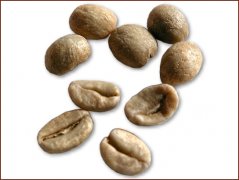
What Are Java Arabica Coffee Beans?
Explore Java Arabica coffee beans with authentic images and learn their origin, flavor profile, and what makes them distinct in specialty coffee.
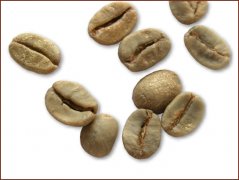
What Are Brazilian Arabica Coffee Beans?
Brazilian Arabica beans are mild, nutty, and low-acid—ideal for espresso blends and single-origin pour-over. Learn their key traits and best uses.

How to Identify Arabica vs Robusta Coffee Beans
Learn the key differences between arabica and robusta beans — from growing altitude to flavor, caffeine content, and physical traits.
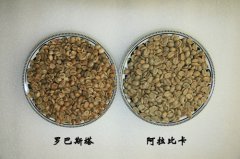
Arabica vs Robusta Coffee Beans: Key Differences
Learn how to tell Arabica and Robusta coffee beans apart by appearance, flavor, and key physical traits. A clear guide for specialty coffee buyers.
Major Arabica Coffee Varieties Explained
Learn the key Arabica coffee varieties like Typica, Bourbon, and Catuai, including their origins, yields, and ideal growing altitudes.

Rwanda’s Specialty Coffee: Washed Arabica Excellence
Rwandan washed Arabica coffee delivers clean, grassy flavors with tropical brightness—learn why this African origin stands out for quality.

Madagascar’s Coffee: Mostly Robusta, With Arabica Potential
Madagascar mainly grows Robusta coffee, but plans to expand Arabica farming. Learn how its coffee sector works, production stats, and future goals.
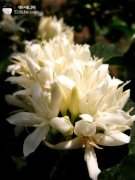
Ecuador Coffee Beans: High-Altitude Arabica Origins
Ecuador produces high-altitude Arabica coffee, especially notable from the Galápagos and Gigante varieties. Best picked in early June for peak quality.
What Is Arabica Coffee? The World’s Most Popular Specialty Bean
Arabica coffee makes up 70% of global production. Learn where it grows, its key varieties, and why it’s the foundation of specialty coffee.
Arabica vs Robusta Coffee Beans Explained
Learn the key differences between Arabica and Robusta coffee, including taste, growing conditions, price and market use.