
Coffee Farm
Latest articles, industry insights and brewing guides

Is Guatemala Incht Coffee good? the method of making Guatemalan Coffee
Professional baristas Please pay attention to the Coffee Workshop (Wechat official account cafe_style) Coffee farms in the world there are more than 10,000 coffee farms around the world, including coffee farms for popular coffee beans, high-quality coffee bean farms and rare coffee bean farms. Today, the editor introduces you to the famous top coffee shop from Guatemala.

Guatemala Inchert coffee production area introduction Guatemala coffee brewing how
Professional barista exchange please pay attention to coffee workshop (Weixin Official Accounts cafe_style )[Manor Introduction] Inkert Manor is located in the famous producing area of Guatemala Vivetnanguo Plateau. Coffee has been grown by the Aguirre family since 1900. The name of the manor is taken from the name of a local fruit. Inkert Manor pays special attention to the protection of ecological environment and organic cultivation.
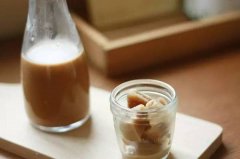
What are the steps for brewing Guatemalan coffee under the brand Incht, Guatemala?
For the exchange of professional baristas, please follow the coffee workshop (Wechat official account cafe_style) [about the Pakamara variety] the COE Cup became famous in 2004 and won again and again in 2-3 years. The Pakamara, produced by the grafted manor in Guatemala, hit a record price of $80.2 a pound of raw beans in 2008. The origin of the variety and name he is the elephant bean Malago Gippi Maragogype and Parka Pac

How is the market of coffee beans in Incht, Guatemala? which brand of Guatemalan coffee is better?
For the exchange of professional baristas, please follow the Incht made by hand in the coffee workshop (Wechat official account cafe_style). 15g powder, medium grinding (small Fuji ghost tooth cutter 4 grinding), v60 filter cup, 88-89 degrees water temperature, 30g water injection for the first time, steaming for 27 seconds, water injection to 105g water cut off, wait for the water volume of powder bed to be reduced to half and then water injection, slow water injection until 225g water, do not use water at the end.

How did Guatemala Incht coffee come from? how is the grade of Guatemalan coffee beans divided?
Professional baristas please pay attention to the coffee workshop (Wechat official account cafe_style) Pacamara plants of medium height, short spacing between internodes, large wavy, dark green leaves, new leaves in green or brown color. The trunk is hard and stout, and the branches are broad. There are more side branches than the iron pickup, and like Pacas, the fresh fruit has a small protuberance in the position of the disk. Coffee beans
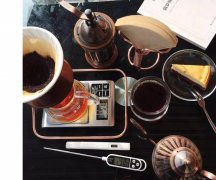
Does Nicaraguan sun like bean coffee taste good? the method of making Nicaraguan coffee
For the exchange of professional baristas, please follow the coffee workshop (Wechat official account cafe_style) La Tormenta FRANCISCO IRENE OLIVERA Maragogype Natural country: Nicaragua production area: Francesco altitude: 1400-1450m harvest time: December to March of the following year: sun treatment varieties: elephant bean treatment plant: storm manor flavor: pineapple,

Nicaraguan Sun Elephant Bean Coffee producing area introduces how Nicaraguan coffee is made
For the exchange of professional baristas, please follow the coffee workshop (Wechat official account cafe_style) Nicaragua is mainly divided into four major producing areas, namely, Bosnia and Herzegovina (Segovias), Madaguelba / Sinodega (Matagalpa/Jinotega), Borgo (Boaco) and Pacific Coast area (Pacific). The highest planting height in Bosnia and Herzegovina is about 1500 2000.

What are the Nicaraguan coffee brewing steps for Nicaraguan coffee brands
Communication of professional baristas Please pay attention to the environment of the coffee workshop (Wechat official account cafe_style), which is full of fertile volcanic soil, coupled with shaded planting methods, has established a good growth physique, so that Nicaraguan beans not only have rich mellow but also fragrant taste, in the eyes of international coffee experts, it is regarded as high-quality, and gradually attracted the attention of the boutique industry. Elephant beans, giant shape
How is the Nicaraguan sun like beans coffee market? which brand of Nicaraguan coffee is better?
Professional baristas please pay attention to the coffee workshop (Wechat official account cafe_style) full of flavor, both bright sour and rich spices sweet, apricot, vanilla, peppermint chocolate, pineapple, citrus, caramel sweet and other diverse taste changes, worthy of the best beans! Factory name: Qianjie Cafe address: No. 10 Baoqian Street, Yuexiu District, Guangzhou contact information:

How do you get Nicaraguan coffee in the sun? how do you grade Nicaraguan coffee beans?
For the exchange of professional baristas, please follow the Nicaraguan elephant beans made by hand in the coffee workshop (Wechat official account cafe_style). 15g powder, medium grinding (small Fuji ghost tooth cutter 4 grinding), v60 filter cup, 88-89 degrees water temperature, the first water injection 30g water, 27 seconds of steaming, injection to 105g water cut off, wait for the powder bed water to half and then water injection, slow water injection until 225g water, tail

Hartman Red Wine treatment Coffee is good? the method of making Hartman Coffee
For professional baristas, follow the Coffee Workshop (official Wechat account cafe_style), a family-owned business that has a state-level cup testing laboratory and sample roasting room. Rigorous cup test of each batch of coffee fruit. This ensures that the coffee quality at Hartman Manor is stable and is always looking for progress. Their scientific attitude towards coffee and nearly 100 years of family experience ensure that they are excellent.
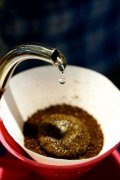
Hartman Red Wine treatment Coffee producing area introduces how to brew Hartman coffee
Professional barista communication please pay attention to the coffee workshop (Wechat official account cafe_style) this batch is treated with red wine Kaddura species, from a grinding out of a super strong fruit wine, accompanied by a fresh smell of smoked wood, coupled with the sun's special sweet and fragrant berries, smell it, you will be drunk. After the entrance, it is accompanied by rich tropical fruit flavors, such as passion fruit and mango.
Hartman Red Wine Coffee Brand what are the Hartman coffee brewing steps
Exchange of professional baristas follow the Coffee Workshop (Wechat official account cafe_style) red wine treatment, also known as controlled fermentation, or lactic acid / acetic acid fermentation experimental team led by American Felipe Sardi, made up of biological scientists and ecologists who apply technologies such as solar energy to the cultivation and processing of raw beans. A special manual picking team has been trained

How is the market of Hartman red wine coffee beans? which brand of Hartman coffee is better?
Professional barista communication please pay attention to the expectations of the coffee workshop (Wechat official account cafe_style) for the taste: acetic acid fermentation: cleaner, lively acid, brighter acid, citric acid lactic acid fermentation: taste more round, less clean than acetic acid fermentation, higher alcohol thickness, malic acid / tartaric acid before this, the treatment plant is passed down from generation to generation of manual operators

Hartman Red Wine treatment Coffee how to get Hartman Coffee beans
Professional barista communication please pay attention to the coffee workshop (Wechat official account cafe_style) Kaddura is a single gene variant of Bourbon bourbon, was found in Brazil in 1937, production capacity and disease resistance are better than bourbon, and the tree is shorter, easy to harvest, but like bourbon, there are periodic problems of production capacity fluctuation every two years. But it is adaptable and does not need shade trees.

Is Guatemala Latisa Coffee good? the method of making Guatemalan Coffee
Professional baristas Please follow Coffee Workshop (Wechat official account cafe_style) bourbon Coffee (French: Caf Bourbon) is a kind of coffee produced by Arabica coffee bourbon cultivation. Bourbon coffee was originally grown in Reunion, which was also known as le Bourbon Island before 1789. It was later occupied by France to work with the African continent and Latin

La Tisa coffee producing area of Guatemala introduces how to brew Guatemalan coffee.
Communication of professional baristas Please pay attention to the coffee workshop (Wechat official account cafe_style) at present, the grading system of coffee bean producing areas in the world is not unified, and each coffee producing country has its own grading system and grading name, so you may see the following words on the coffee logo: SHB, AA+, Supremo, Extra-Fancy, round beans / adzuki bean, etc., these are coffee beans

What are the steps for making Guatemalan coffee under the brand la Tisa, Guatemala
For the exchange of professional baristas, please follow the LaTisha of Guatemala made by hand in the coffee workshop (Wechat official account cafe_style). 15g powder, medium grinding (small Fuji ghost tooth cutter 4 grinding), v60 filter cup, 88-89 degrees water temperature, the first water injection 30g water, 27 seconds of steaming, injection to 105g water cut off, wait for the powder bed water to half and then water injection, slow water injection until 225g water

How is Guatemala la Tessa coffee bean market? which brand of Guatemalan coffee is better?
For the exchange of professional baristas, please follow the coffee workshop (Wechat official account cafe_style) Guatemala Finca Las Deliclas country: Guatemala level: SHB production area: Fraijanes,Guatemala City altitude: 1675 m harvest time: October to February next year treatment: washing variety: bourbon, Kaddura processing plant: Latitha Manor coffee is really introduced.

How did Guatemala Latisa Coffee come from? what's the grade of Guatemalan coffee beans?
Professional baristas Please pay attention to the Coffee Workshop (Wechat official account cafe_style) Coffee was really introduced to Guatemala in 1750 by Father Jesuit, and the coffee industry was developed by German colonists at the end of the 19th century. Today, most of the coffee industry's production takes place in the south of the country. Guatemala has seven main coffee producing areas: Antigua and Cobain