
Coffee Farm
Latest articles, industry insights and brewing guides

Costa Rican Diamond Hill Manor planted with Arabica varieties
Costa Rica Diamond Mountain Manor country: Costa Rica Grade: SHB production area: central Valley altitude: 1300-1500m Annual rainfall: 3000 mm harvest month: December to February next year treatment: red honey treatment varieties: Kaddura, Kaduai Manor attaches great importance to the concept of environmental treatment, such as collecting Rain Water to process coffee; using earthworms
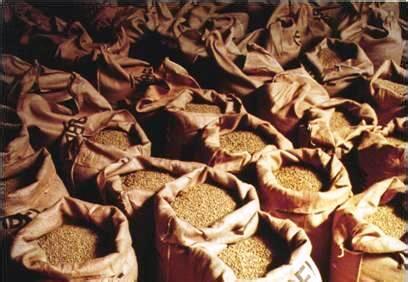
Altitude: coffee plantation in Guatemala Dome Manor, 1500-1600
Altitude: 1500-1600 Guatemala Dome Manor Coffee Plantation volcanic soil, high altitude, humid and rainy climate, active volcanic activity created the unique geographical conditions of the Farahan Plateau. The Pacaya volcano in the region is the most active of the three volcanoes still erupting in Guatemala, leaving the Farahan Plateau often shrouded in a thin layer of dust.
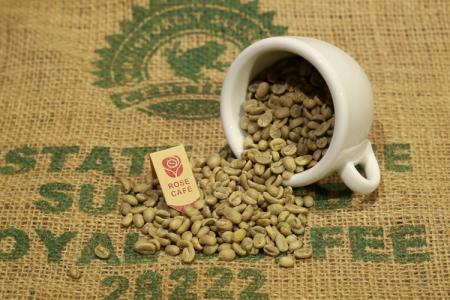
Yega Ficher Manor, planted by European monks.
Yejia Xuefei is actually more common to use the traditional washing method to show her beautiful taste. Yega Xuefei, which is washed with water, has a clean and light taste, with a very strong aroma of jasmine and citrus citric acid. In ancient Chinese, Yirga means to settle down, while Cheffe refers to wetlands, as can be seen from such place names.

Flavor description of coffee beans in Panamanian jadeite manor
Flavor description of coffee beans in Panamanian jadeite manor taste treatment Panamanian rose grows at an altitude of 1500-1650 meters, the unique growth environment makes it unique: dry fragrance: tea, flowers (magnolia, tulips) vanilla plants, milk, black sugar sweet, high-grade champagne and aroma up. Wet fragrance: apricot, caramel, milk, flower. Sipping: good oil quality and meticulous

Flavor description of coffee beans from Alida Manor in Panama
Taste treatment of coffee beans from Alida Manor in Panama after the beans are ground, the flower smell is obvious, and the wet fragrance in the middle of the extraction is the strongest. Leave the coffee for a while, the flowers, lychees and cherries have obvious flavor (you can smell it and drink it). On the whole, it is clean, with aromas of fruit and flowers, sweet hot drinks and outstanding taste of cold cherry wine (I like to let it cool.
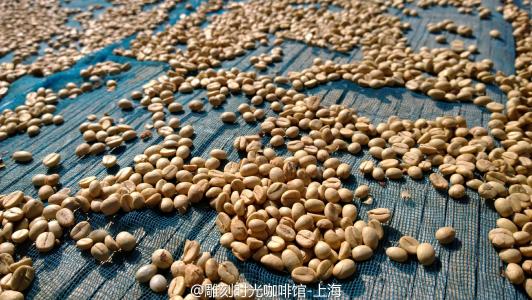
LONGBERRY boutique Edini Manor in Indonesia
[Origin]: Mont Tikukur Tiegula Mountain, West Java [altitude]: 1400-1600m [variety]: Arabica species [producer]: Arinanis [flowering]: March-May, September-November [treatment]: Honey Precess sun honey treatment [cup test]: 92 points [flavor]: mango, red wine, peach juice, strong fruit aroma, with plum and jackfruit
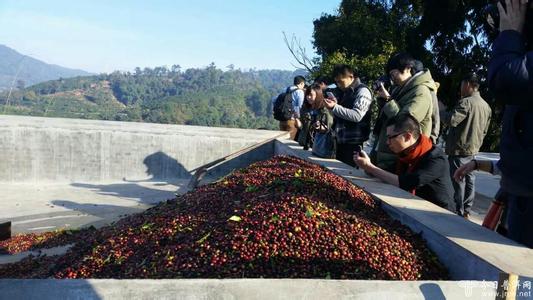
Coffee cultivation at Manor Lina, Nicaragua, one of the poorest countries in Central America
Nicaragua is an economically backward agricultural country, is one of the poorest countries in Central America, the unemployment rate is very high, people live in poverty, and coffee is Nicaragua's pillar industry, producing nearly 100,000 tons of coffee beans every year. Due to the poor economic foundation, the coffee industry is still relatively backward, and coffee farmers are also in a relatively poor state. Some of the fruits that stand out from the classifier will
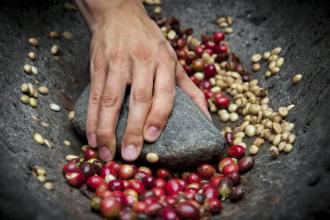
Panama Emerald Estate coffee growing area
BOQUETE Panama is located in Chiriqui province on the border with Costa Rica. It is the origin of Panama's famous GEISHA coffee and is famous for producing high-quality Arabica coffee. TEDMAN & MACINTYRE ESTATE, 4000 feet above sea level in the mountains of Porgate, originated in Panama
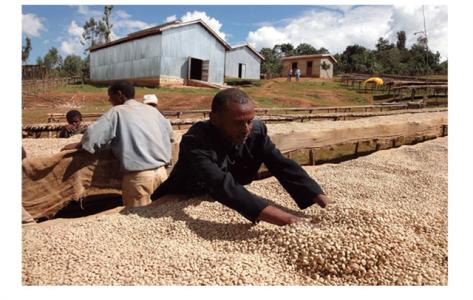
Description of Price and Flavor of Ruoxia Coffee in Jadeite Manor A brief introduction to the varieties produced by taste treatment
Jade Manor geisha Coffee Price Flavor description Taste processing French production Variety brief introduction in 1931, it was obscure to export to Kenya from Geisha Mountain Mountain in southwestern Ethiopia (which happens to be synonymous with Japanese geisha), wandered to Tanzania and Costa Rica, and then transplanted to Panama in the 1960s, and then survived for nearly half a century before it became a blockbuster and defeated Chang Sheng.
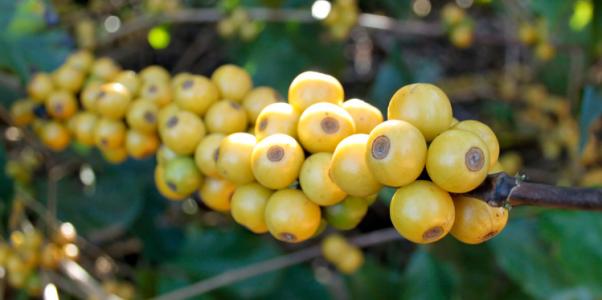
A brief introduction to the Flavor description of the altitude producing area of Coffee beans in Tian Chi Manor, Nicaragua
A brief introduction to the flavor description of the coffee production area in Nicaragua's Heavenly Manor Coffee production has a unique environment, fertile volcanic ash soil and shade planting mode, which has established a good production quality. Nepalese coffee has a rich mellow and fragrant taste, moderate acidity and excellent balance of bitterness and bitterness.
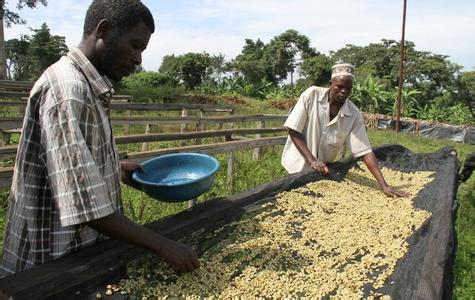
An introduction to the coffee flavor characteristics of Lake Titicaca coffee in Bolivia, the highest in South America.
Producing area: baking degree of Lake Titicaca: moderate baking method: washing variety: iron pickup producer: tapper Gabbana small farmer flavor: dry aroma of roasted nuts and almonds. Lake Titicaca of orange and pomelo is located on the Coaya Plateau on the border of Bolivia and Peru. it is the highest and largest freshwater lake in South America and the largest freshwater lake in the world.
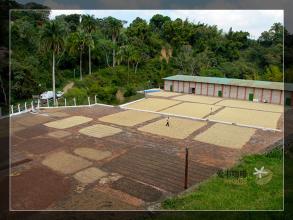
(rainforest Alliance Certification) introduction to the planting description of Emerald Manor Coffee in Panama
The geisha of the Emerald Manor has become a dream product of the coffee industry. Its flower scent is like fireworks, blooming in the mouth in the process of drinking, with juice like lemon, citrus and strawberry, making it like juice rather than coffee. Geisha coffee fan Jeff said, what kind of coffee can be as invincible as a geisha? Drinking geisha coffee from the Jade Manor of Panama every year is like a birthday feast.
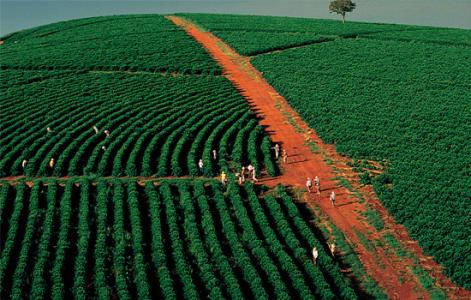
When was the Santa Barara Manor in Honduras, with a 280000-hectare coffee farm, established?
The vast blue sea indicates the geographical location of Honduras. The blue sky and rainbow in the background reflect the yearning and longing for the future. An oval white broadband pyramid with the words freedom, sovereignty and independence in yellow Spanish in the Republic of Honduras on September 15, 1821, showing spiritual strength. The colorful arrows at the top represent the local aborigines, mounted on both sides.

Introduction of flavor description and taste treatment of rose coffee beans in Panamanian jadeite manor
Flavor description of geisha Coffee beans in Panamanian Emerald Manor taste treatment method introduction: in 1931, geisha Mountain (Geisha Mountain) in southwestern Ethiopia (which happens to be synonymous with Japanese geisha) was exported to Kenya in obscurity, wandering around Tanzania and Costa Rica, and then transplanted to Panama in the 1960s, and then survived for nearly half a century before it became a blockbuster and defeated the victorious army wave.

Indonesia Wahana Estate Coffee Bean Flavor Characteristics Variety Brand Type Region
Indonesia Wahana Manor coffee beans flavor characteristics Variety brand type Production area Sumatra Wahana Manor dragon fruit, belongs to the iron pickup variety, it is not appropriate to call it Mantenin, because the two flavors are too different! Close to two burst beans, bright acidity, hazelnut fruity flavor, good finish. This is different from the traditional mantinin of deep roasting. The acidity is not obvious.
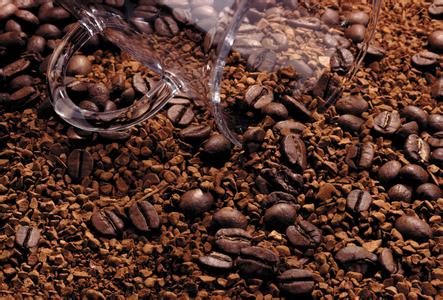
A brief introduction to the production area of grinding scale of coffee bean varieties in Papua New Guinea by taste treatment method
Brief introduction of Papua New Guinea Coffee Bean varieties produced by Taste treatment Grinding scale Papua New Guinea has a detached and primitive natural environment and a vast and fertile land. Its unique volcanic rock soil and abundant rainfall create excellent natural conditions for the growth of coffee. Papua New Guinea's top coffee beans float like the country's national bird, the bird of paradise.

A brief introduction to the Flavor description treatment of Coffee beans in Yega Fischer Manor, Ethiopia
A brief introduction to the Flavor description treatment of Coffee beans in Yega Fischer Manor, Ethiopia: after the beans are picked, they are directly exposed to the sun for about 3 weeks, during which the pulp will ferment and the beans will absorb the flavor produced during the fermentation process, so the flavor is relatively rich, while the seeds inside, that is, the sugar of coffee beans, are not consumed too much in the fermentation process.

Description of taste and flavor of coffee beans grown in Incht Manor, Guatemala
Description of the growing environment of coffee beans at Incht Manor in Guatemala the taste and flavor was first cultivated by researchers in El Salvador in 1958. Pacamara is an excellent variety under rare artificial breeding, which is better than blue, and perfectly inherits the advantages of the mother plant. It not only has the excellent taste of Pacas, but also inherits the large size of Maragogipe, and the bean body is at least like beans.
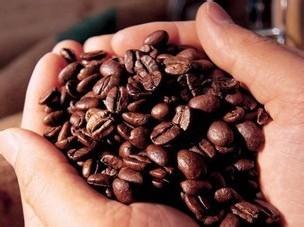
More than 85% of the coffee farms in Arusha, Tanzania, are grown by small farmers.
Coffee exports from Tanzania (Tanzania) play an important role in the whole national economy. In the past, the coffee industry in Tanzania has been dominated by manor cultivation, but now more than 85% are grown by small farmers. Many small farmers form cooperative organizations, the most important of which is the Kilimanjaro Cooperative Alliance (Kilimanjaro Cooperative Union, referred to as KNCU)
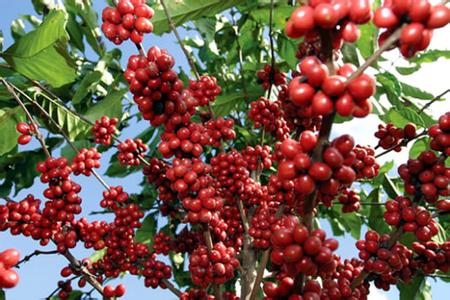
Brazil Queen's Manor Yellow bourbon species Sao Paulo State (Sao Paulo Paulo) Alta
Producing area: Chateau de Morgiana (Alta Mogiana), Sao Paulo State (So Paulo): Fazenda Rainha (Queen Farm) Variety: Yellow Bourbon altitude: average 11501350 m treatment: natural Sun drying Flavor Features: balanced sweetness, creamy smoothness, orange fruit and apricot flavor, chocolate, caramel flavor