
Coffee Farm
Latest articles, industry insights and brewing guides
Nicaraguan Jimmo boutique Lina Manor Honey to treat Red bourbon Fine Coffee Raw beans
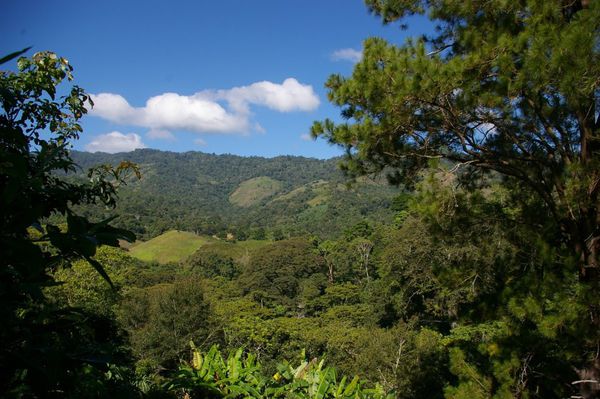
Planted with volcanic ash and shaded trees, it produces high-quality Nicaraguan coffee with a mediocre, soft and slightly sour flavor. Nicaraguan coffee is the largest of all coffee beans, while MADRIZ (Madriz) is located in the mountains of northern Nicaragua, adjacent to Nueva Segovia, Jinotega and Esteli, a quiet and elegant area with the famous Somoto
El ProjectOrigin imported coffee raw beans Himalayan manor half-sun red bourbon
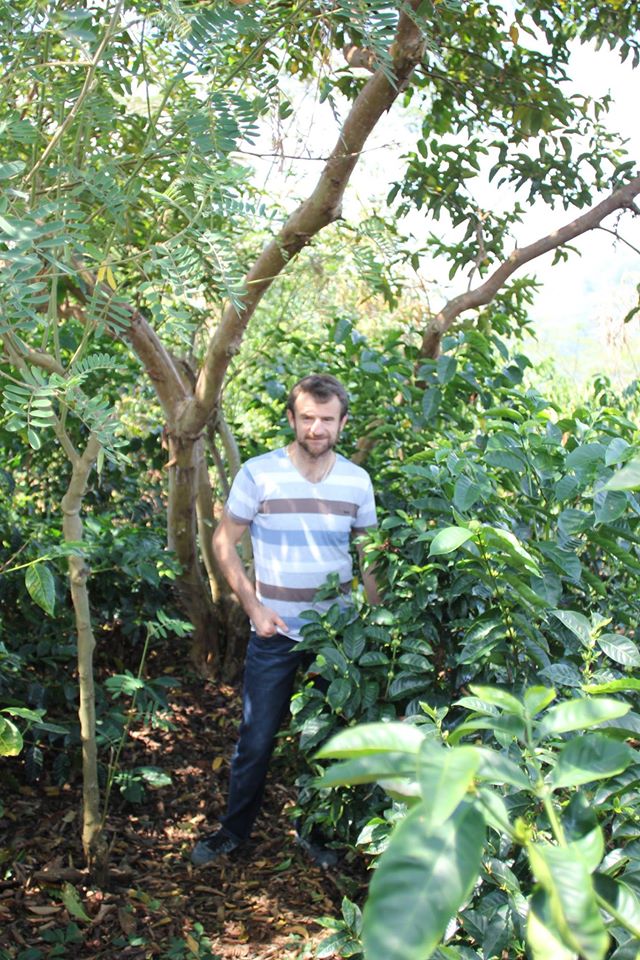
Located in Santa Ana, a famous producing area in the Apaneca Mountains at an altitude of 1500 meters, Himalayan Manor is one of the few estates managed by Aida Batlle. The main varieties planted are bourbon. The coffee beans from the estate are washed at Mauricio Salaverria's El Divisadero treatment plant in Ataco, and then on an elevated bed in Africa.
El Salvador Ataisi Manor Pacamara boutique new beans, coffee, raw beans
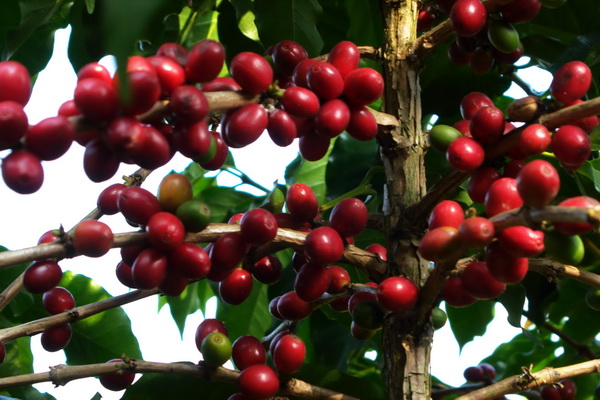
Coffee in El Salvador is grown mostly by small farmers, who grow it in the traditional way: almost 100% shade. The coffee harvest lasts from November to March. The fresh fruit of coffee is picked by hand. On the whole, Salvadoran coffee inherits the mild quality of Sino-American coffee, which is soft, slightly sour and beautiful.
High altitude Yunnan Arabica coffee beans Huaguoshan Arabica washed old varieties iron pickup fine raw beans
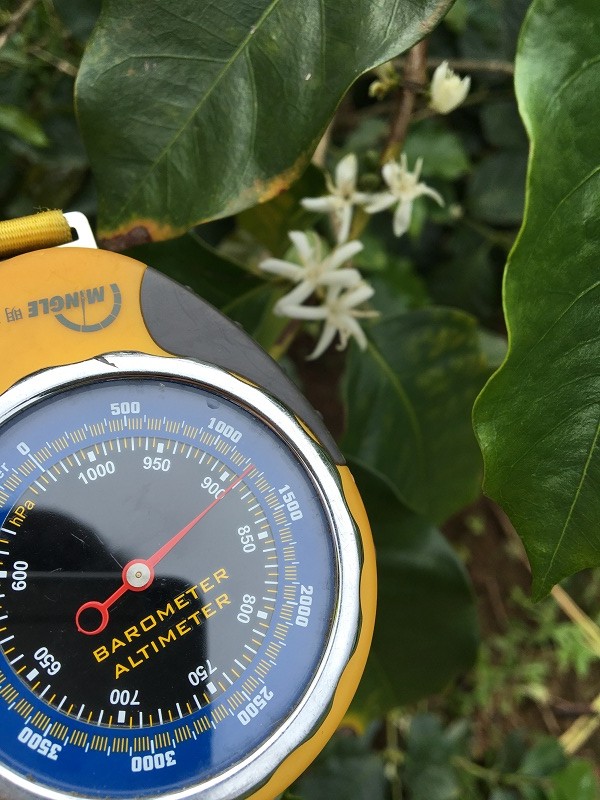
Arabica coffee is suitable for growing in the mountains of 800~1800 meters above sea level. If the altitude is too high, it tastes sour, and if it is too low, it tastes bitter. Arabica coffee is mostly planted in dry and hot valleys at an altitude of about 1100 meters, so the acidity is moderate, the aroma is rich and mellow. Many areas of Yunnan Province have unique environments suitable for the growth of Arabica coffee, and the Arabica coffee produced is of excellent quality. The planting area is mainly distributed in the temporary

Medium acidity Bolivian Coffee Manor area introduces the characteristics of Bolivian coffee beans in Xuemai Manor
The acidity is medium and low, but the feeling is not monotonous, but calm and generous, soft and fresh. In the sour taste, you can even feel the sour taste of citrus fruits. The overall taste of Bolivian coffee is rich and balanced, in addition to the beautiful sour taste, there is also a shallow chocolate flavor, smooth taste is more smooth, by contrast, the bitter taste is not obvious. Coffee

Introduction to Arusha Coffee Manor Tanzania Coffee producing area
The northern coffee is full of aroma, bright acidity, mellow taste, and thanks to the rich volcanic soil, it has the sweetness of mineral water. Southern coffees are characteristically medium body and fine acidity with good fruity and floral aromatic

Introduction to the characteristics of Rwanda coffee beans in Kimmel Manor, a full-grained coffee farm in Rwanda.
The taste of Rwandan coffee is described as a grassy aroma with tropical climates. in addition to the sweetness of fruit, this coffee also gives people a feeling of freshness, clarity, and freshness. Bourbon coffee grown in Rwanda is amazing for its sweet fruit, full-bodied, unrestrained and lingering aftertaste. This kind of coffee is delicious.

Introduction of Salvadoran Coffee Flavor in El Salvador Coffee Manor
Salvadoran coffee ranks side by side with Mexico and Guatemala as the producers of Asa and Merdo, and is fighting for the top one or two places in China and the United States with other countries. The highlands of origin are large coffee beans of all sizes, which are fragrant and mild in taste. Like Guatemala and Costa Rica, coffee in El Salvador is graded according to altitude, and the higher the altitude, the better the coffee

Introduction of Honduran Coffee Manor Santa Barara Manor introduction of Honduran Coffee producing area
For coffee production, the geographical conditions of Honduras are no less than those of its neighboring coffee-producing countries such as Guatemala and Nicaragua. There are 280000 hectares of coffee plantations in Honduras, mainly small coffee plantations, most of which are less than 3.5ha. These coffee plantations account for 60% of the total coffee production in Honduras. In the coffee garden, because the planting land belongs to

Indonesian Coffee products from Rasuna Wahana Manor in Sumatra Coffee producing area, Indonesia
In the 17th century, the Dutch first introduced Arabica saplings to Ceylon (present-day Sri Lanka) and Indonesia. In 1877, a large-scale disaster hit the Indonesian islands, coffee rust destroyed almost all the coffee trees, people had to give up Arabica, which had been in operation for many years, and introduced the disease-resistant Robusta coffee tree from Africa. And Sue

Indonesian Civet Coffee Estate Introduction Indonesian Coffee Flavor Arabica Coffee Estate
Cat poop coffee, also known as civet coffee. The official name of cat poop coffee is Kopi Luwak. Kopi means coffee in Indonesian and Luwak is a wild Indonesian civet. This coffee is called cat poop coffee because it is made from coffee beans picked from civet droppings. Cat poop coffee, Indonesia. Indonesia grows a lot of coffee.

Indonesian Coffee Flavor introduced in Cahayang Gan Manor
Coffee cultivation in the Dutch colonial era, coffee cultivation was mainly in large estates. After World War II, it experienced the process of nationalization and the movement of independence. Today, about 90% of the coffee produced in Indonesia is produced by small farmers. At first, Indonesian coffee was Arabica, and Arabica manor was destroyed by leaf rust disaster at the end of the 18th century. At first, the Dutch tried to plant Liberian species.

Costa Rican Coffee Manor area introduces Costa Rican coffee characteristics Costa Rican coffee style
There are many kinds of coffee here, but its industrial policy is large and cheap, so there is not much premium coffee, but it is a good choice for mixing other coffees. One of the most famous is Mountain Costa Rica Coffee, which tastes mellow and neutral. It can be boiled directly or mixed with other kinds of coffee beans to form a mixed coffee. It is also a good choice. Other kinds of Brazil

Nicaraguan Coffee Heavenly Manor introduces the characteristics of Nicaraguan Coffee
Coffee is Nicaragua's main export. According to the president of the Nicaraguan Coffee Farmers' Federation, due to the poor harvest of coffee in Nicaragua's Pacific region, the country's total coffee production in 1998 may be 12% lower than that in 1997. In the coffee year of 1997 and 1998, Nicaragua harvested 1.422 million bags of coffee (each bag of 46kg), which has been producing 1% of coffee in the past 14 years.

Colombia Coffee Plantation Flavor Introduction Colombia Coffee Bean Hope Plantation
To really understand the flavor changes and product differences of coffee beans is to understand the production place and growers, different flavors in different estates, or different flavors in different hills of the same estate. The story behind each coffee bean is what Coffee Fragrance wants to know... It can be traced back to which plot of which estate the beans came from, or which cooperative or which farmer, chasing the taste of the region. to

Costa Rican Coffee Manor introduces the Goddess Manor Costa Rican Coffee producing area
Tarrazu in Costa Rica is one of the major coffee producing areas in the world. The coffee produced is light and pure in flavor and pleasant in aroma. Costa Rica, with its fertile volcanic soil and good drainage, is the first country in Central America to grow coffee and bananas for commercial value. Coffee and bananas are the country's main exports. In 1729, coffee was introduced from Cuba to Goth.

Kenya Coffee Manor Berman Manor introduces Kenyan boutique coffee beans
Located in KIAMBU area around Mount Mountain Kenya, about 1800 meters above sea level, it has beautiful scenery, pleasant climate, sufficient light and superior soil conditions. it belongs to fertile acidic red soil with loose soil, deep soil layer and good drainage. The PH value is between 5.5 and 6.5. Kiambu producing area [manor] SASINI [soil] volcanic soil [product]

Guatemalan Coffee Flavor Manor Incht Manor Guatemalan Coffee producing area
Coffee tree evergreen leaves, the leaf tip is more pointed, and is two opposite groups. The surface of the leaf is dark green, the back is light green, and the blooming flower is pure white. There are five stamens and one pistil in the flower, and the petals are usually five, but some have six or even eight petals. The flowers will give off a jasmine-like fragrance, but the flowers will wither in about three or four days. The fruit has just begun with the leaves.

Introduction of Guatemala Coffee Manor characteristics of Guatemala Antigua Coffee
Guatemalan coffee has a strong aroma, even if you don't drink it, just smelling it is already a pleasure. Antigua coffee has a rich and velvety mellow, rich and lively aroma, and fine sour taste. When the attractive fragrance lingers on the tip of your tongue, there is an indescribable mystery. You may feel dull at the first sip, but as the coffee slows down

Introduction to Santa Cruz Manor, an Ecuadorian coffee producing area
The best Ecuadorian coffee is grown on St. Cristobal Island in the Galapagos Islands, which has the unique natural geographical conditions for giving birth to the best quality coffee in the world. A cup of Galapagos coffee, like the beautiful scenery of the Galapagos Islands, is sure to impress you. In the mid-15th century, fishermen fishing in the western Pacific Ocean of South America were in the middle stream.