
Coffee Culture
Latest articles, industry insights and brewing guides

How European Coffeehouses Helped Shape Modern Civilization
Learn how modern coffee culture emerged from 17th-century European coffeehouses, which became hubs of debate, innovation, and the foundations of civil society.

How European Coffee Culture Began in 1645
Europe’s first public coffeehouse opened in Venice in 1645. Paris and Vienna later shaped two distinct café traditions—romantic French and intellectual Austrian—that still define European coffee culture today.
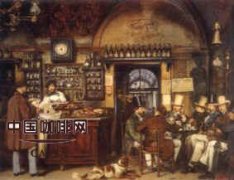
How Coffeehouses Shaped European Upper-Class Culture
Coffeehouses became hubs of intellectual life for Enlightenment thinkers, writers, and artists—here’s how they transformed elite social spaces.

How to Make Traditional Turkish Coffee Step by Step
Learn how to brew authentic Turkish coffee with finely ground dark roast beans, boiled three times, and served unfiltered with sediment.

The Origins of Arabian East African Coffee Culture
Explore how Yemen and Ethiopia launched global coffee culture, from Mocha ports to fruity Yirgacheffe, and why these beans shaped specialty coffee.

Budapest’s Rich Specialty Coffee Culture & Historic Cafés
Explore Budapest’s vibrant coffee scene, from iconic historic cafés like New York Café to its wine-producing Buda hills and thermal baths.

How the French Drink Coffee: Ritual Over Roast
French coffee culture prioritizes ambiance over flavor—read why Parisians sip tiny cups for hours in public, not at home.

Why Coffee Is a Vienna Icon Alongside Music and Waltz
Vienna’s coffee culture dates back to the 17th century. Discover how the city became famous for its 60+ historic cafés and signature Melange.

How Different Countries Drink Coffee Around the World
Explore how Americans, Turks, and others take their coffee — from casual sipping to ceremonial rituals — with unique cultural twists.

How a 13th-Century Arabian Sheikh Discovered Coffee
In 1258, exiled Sheikh Omar discovered coffee in Wassaab, Arabia, after observing birds energized by its fruit. His accidental brew led to coffee’s global journey.

How French Navy Officer Brought Coffee to the Americas
In 1720s, French officer Gabriel Mathieu de Clieu smuggled coffee seedlings to Martinique, overcoming storms, pirates, and sabotage to start global cultivation.

Where Coffee Originated: Ethiopia’s Kafa Region
The world’s first coffee plants were discovered in Ethiopia’s Kafa region, home to over 5,000 undocumented wild varieties still protected today.

How Switzerland Makes Its Unique Take on Coffee Culture
Discover how Switzerland created its refined coffee style without growing beans, blending French romance, German precision, and Italian creativity.

Where Did the Coffee Drinking Trend Start?
The tradition of drinking coffee began over 2,000 years ago with a goat herder’s discovery. Learn the real origins behind today’s global coffee culture.

Greek and Arab Coffee Traditions from Europe’s First Encounter
Discover how early European coffee drinkers saw 'Arab wine' and learn the deep-rooted ceremonial customs of traditional Arabic coffee culture.
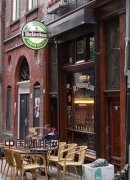
European Coffee Culture: A Quick Guide to the Continent's Traditions
Explore how Austria, Italy, and France each shaped unique coffee traditions—from Vienna’s social hubs to Italy’s morning ritual and France’s café culture.

How Specialty Coffee Took Root in American Culture
Explore how America became the world’s biggest coffee consumer and how specialty coffee culture evolved beyond convenience.

African Coffee Culture: Where and How to Enjoy It
Explore Kenya and Ethiopia’s vibrant coffee scenes, from Nairobi cafes to traditional ceremonies, and discover what makes African coffee unique.

What Makes Western European Coffee Cultures So Refined?
Explore how Swiss, Italian, and Turkish coffee styles differ—plus the refined techniques behind Western Europe’s elegant brewing traditions.
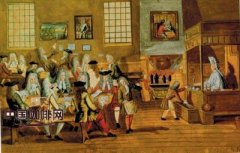
The World’s First Coffeehouses: Origins & Early History
Discover where the first coffeehouse opened, how coffee culture spread from Mecca to London, and why early cafés became political and social hubs.