
Coffee Knowledge
Latest articles, industry insights and brewing guides

Why Ceramic Semi-Automatic Coffee Machines Deserve Your Attention
Discover why ceramic components and wall-mounted design make SEPPL’s semi-auto a practical choice for focused home baristas.

What’s in Milk That Makes It Foam for Coffee?
Milk foam forms thanks to proteins and fat. Here’s the science behind why some milks foam better than others for coffee drinks.
Why Whole Milk Foams Better for Coffee
Whole milk produces richer, more stable foam due to higher fat and protein content, ideal for latte art and texture.

What Makes a Good Barista? 5 Essential Qualities
A professional barista must prep thoroughly, dial in espresso daily, maintain cleanliness, perfect shots, and serve with positivity.
What’s Really Inside Your Coffee? Key Coffee Components Explained
Understand the role of tannins, fats, proteins, sugars, caffeine, and other compounds in shaping your coffee’s flavor, aroma, and body.

What Defines a Classic Espresso According to US & EU Standards
Learn the widely accepted espresso standard of 30cc in 30 seconds, how it adapts to beans, and the rules behind ristretto and yield adjustments.

What Really Matters Most When Brewing Espresso
Cleanliness matters as much as dose, yield or flow rate when pulling a great shot. Here’s what pros prioritise—and why.
How to Perform a Coffee Enema: Step-by-Step Guide
A detailed walkthrough of the coffee enema process, including ratios, temperatures, steps, and post-care for safe practice.
What Is C8H10N4O2 in Specialty Coffee?
The chemical formula C8H10N4O2 is the scientific name for caffeine, the key stimulant in coffee. Discover its full systematic name and role in your cup.

Do You Really Need a Coffee Spoon?
Coffee spoons are meant for stirring, not sipping. Most shops provide them only for mixing — and some skip them altogether.
What Is Coffee Roasting and Why It Matters
Coffee roasting transforms green beans into flavorful brews—here’s how heat shapes 80% of your cup’s taste and what ‘good roast’ really means.
Key Terms in Specialty Coffee Extraction Explained
Understand blonding, channeling, crema, and other common coffee extraction concepts with precise definitions and visual cues for better brewing.
What Is 4C Coffee Certification and Why It Matters
Learn what the 4C Coffee Certification is, how it ensures sustainable coffee farming, and why it’s trusted by global buyers and producers.
What Is Hawaiian Kona Coffee and Why Is It So Rare?
Learn why true Hawaiian Kona is scarce, how it's graded, and why most 'Kona' blends contain almost none of the real thing.
How to Choose the Right Coffee Grinder for Specialty Brewing
For better coffee, choose a burr grinder with 70–150W power and consistent grind size. Power and uniformity matter more than brand.

Chemex Drip Coffee Maker: Design & Brewing Guide
Learn how the iconic Chemex brewer makes clean, pure coffee without bitterness, using its signature thick paper and unique filter design.
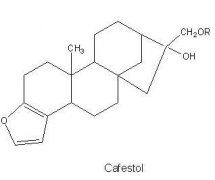
What Is Cafestol? The Cholesterol-Linked Compound in Coffee
Unfiltered coffee contains cafestol, a compound that can raise cholesterol. Here’s how much is in your cup and how to avoid it.
Why Coffee Tastes Less Flavorful Than It Smells
Learn why your coffee’s aroma is stronger than its flavor—due to how we perceive smell and how saliva affects coffee compounds.
Why Freshness Matters More Than Anything in Coffee Beans
Freshness is the key to great-tasting coffee. For optimal flavor and aroma, drink coffee within two weeks of roast.

What Is White Coffee and How Is It Made?
White coffee is a low-acidity Malaysian brew made with special beans and low-heat roasting, resulting in a mild, smooth cup. Here's what makes it different.