
Coffee Knowledge
Latest articles, industry insights and brewing guides

Why Roast Your Own Coffee Beans? 6 Key Benefits
Roasting your own beans ensures freshness, saves money, and lets you customize flavor, roast level, and blends for better quality and learning.
How Coffee Roast Levels Shape Flavor
From light to dark, roast levels change coffee’s acidity, sweetness, and bitterness. Here’s how to choose the right roast for your taste.
Common Coffee Roasting Mistakes to Avoid
Learn the key issues in coffee roasting—like uneven heat, poor timing, and wrong equipment settings—that affect roast quality.
Espresso Roasting Essentials for Beginners
Learn how espresso roast levels affect flavor, from light North Italian to dark French roast, and how to match beans to your brewing goals.
How Coffee Roast Levels Affect Flavor
Coffee flavor is 80% determined by roast level. Learn how light to dark roasts impact taste, aroma, and brewing suitability.
How to Store Coffee Beans to Keep Them Fresh Longer
Learn the best ways to store coffee beans and grounds to preserve flavor, including whether freezing works and what packaging helps.
How Roasting Determines Coffee Flavor
Roasting shapes 80% of coffee’s flavor—learn how heat transforms green beans into aromatic, complex cups through technique and degree.
How Coffee Roasting Works: Methods and Principles
Coffee flavor is 80% shaped by roast level. Learn the 3 fire power stages, 8 roast profiles, and how to balance bean development.
Why Coffee Tastes Bitter: The Processing Factor
Coffee bitterness stems from two compounds formed during roasting: chlorogenic acid lactone and phenylindane. Longer roast times boost the harsher one.
How to Buy and Store Fresh Coffee Beans
Learn where to buy fresh-roasted beans, how to store them properly, and how long they stay flavorful. Key tips for home baristas.
Understanding Coffee Roast Levels for Specialty Beans
Learn how roast levels affect flavor, acidity, and bitterness in specialty coffee beans—from light to dark roast profiles.
How to Store Roasted Coffee Beans Properly
Learn how to store roasted coffee beans to preserve flavor. Keep them sealed, away from air, moisture, and strong odors for best results.
Understanding Coffee Roast Levels from Cinnamon to French
Learn how coffee roast levels—from light Cinnamon to dark French—affect flavor, acidity, and oil development, with exact visual cues.
How to Hand Roast Coffee Beans with a Pan
Learn how to hand roast 100g of green coffee beans using a metal sieve and stove in under 15 minutes with key steps, timings, and tips.
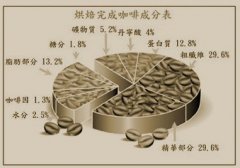
What’s Really in Roasted Coffee? A Breakdown of Coffee’s Chemical Makeup
Learn what chemical compounds remain after coffee is roasted, including caffeine, acids, sugars, and fats—and how each affects flavor and body.
Essential Equipment for Specialty Coffee Roasting
Learn the critical equipment needed for professional-grade coffee roasting, from roasting rooms to cooling systems and ventilation.
Main Coffee Varieties and Their Flavor Profiles
Explore the flavor traits of key coffee origins like Jamaica Blue Mountain, Colombia, Brazil, Mandheling, and more. Learn what makes each stand out.

How to Identify Coffee Roast Levels by Color and Time
Learn how SCAA’s Agtron system and roast timing pinpoint coffee roast levels—from light to French—with exact color charts and drop times.
Coffee Roasting and Blending Explained
Learn how professional roasting and blending turn high-quality beans into exceptional coffee, with key details on roast levels and storage.
How Coffee Roasting Works: Process, Stages & Key Tips
Coffee roasting transforms green beans through three key stages—dehydration, first crack, and second crack—with flavors evolving based on roast level and duration.