
Coffee Knowledge
Latest articles, industry insights and brewing guides

How Coffee Beans Are Harvested and Processed
Learn how coffee cherries are handpicked and processed via washed or natural methods, and how each affects flavor and quality.
10 Key Factors That Define Specialty Coffee Beans
Discover the 10 strict criteria that separate specialty-grade coffee beans from ordinary ones, from varietal selection to moisture control.
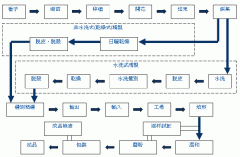
How Specialty Coffee Is Made: From Farm to Cup
Learn how specialty coffee is grown, processed, roasted, and brewed — with every key step, temperature, and timing explained.

How Coffee Beans Are Harvested and Processed: Natural, Washed, Honey
Learn how ripe coffee cherries are picked and processed via natural, washed, Brazilian semi-washed, or mechanical honey methods to shape flavor.
Washed vs Natural Coffee Processing: Key Differences
Learn how washed (wet) and natural (dry) coffee processing methods affect flavor, quality, and cost. Includes steps, timelines, and bean suitability.
What Is Brazilian Pulped Natural Coffee Processing?
Brazil developed pulped natural processing to stabilize quality. Most specialty-grade Brazilian beans use this method, balancing sweetness and cleanliness.
How Coffee Beans Are Processed and Roasted
Learn how coffee cherries become beans through washing, drying, and roasting methods. Understand how processing shapes flavor and roast level impacts cup profile.
How Coffee Cherries Are Harvested: From Bloom to Pick
Coffee cherries ripen over months and are picked by hand at peak maturity. Learn when, why, and how high-quality coffee is harvested.

Salvadoran Coffee Processed with Natural Hot Spring Water
Salvadoran producers use 32–34°C mineral-rich hot spring water to wash high-altitude Pacamara beans, enhancing sweetness and clarity.
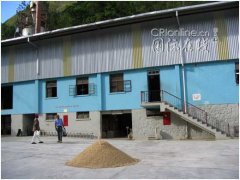
What Makes Jamaican Blue Mountain Coffee So Special?
Learn why Jamaica Blue Mountain coffee is rare, expensive, and prized for its balance. Discover its unique growing conditions and strict certification.

How Specialty Coffee Beans Are Processed: Natural vs Washed
Learn how natural and washed coffee processing methods shape flavor, quality, and price—with key steps, timelines, and regional preferences.
How Kopi Luwak Coffee Is Actually Made
Kopi Luwak is made from beans eaten and excreted by civets. Learn how digestion alters flavor and why it commands premium prices.
How Coffee Is Harvested and Processed: From Cherry to Bean
Learn how coffee cherries are picked, when harvests happen, and the two main processing methods—washed and natural—that shape your coffee’s flavor.
From Coffee Cherry to Green Bean: The Basics
Learn how coffee cherries become green beans, the differences between Arabica, Robusta, and Liberica, and the two main processing methods.

How Natural Coffee Processing Works in Specialty Coffee
Learn how natural coffee processing creates bold fruit flavors and body through sun drying, with examples from Ethiopia, Brazil, and Colombia.
Natural Process: How Sun-Dried Coffee Beans Are Made
Learn how sun-dried (natural) coffee is processed, why it tastes fruitier, and what makes it different from washed coffee.
How Natural Process Coffee Is Made: The Sun-Dried Method Explained
Learn how natural or sun-dried coffee is processed, why it tastes fruitier, and how long it takes to dry under the sun.
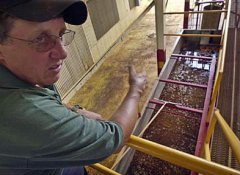
How Washed Process Coffee Beans Are Made
Washed coffee processing removes the fruit layer to create clean, bright, acidic cups. Learn the 7 key steps with timing, ratios, and flavor impacts.
How to Use a Vibrating Screen to Sort Coffee Beans
Yes, vibrating screens can separate coffee beans from peanuts. Learn how to choose the right mesh and equipment for accurate sorting.

Washed Process Coffee from Sigri Plantation in Papua New Guinea
Learn how Sigri Plantation in PNG produces clean, sweet washed coffee at 5,200 ft elevation using a traditional 72-hour fermentation and sun drying method.