
Coffee Knowledge
Latest articles, industry insights and brewing guides
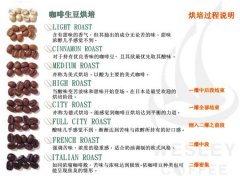
Deep vs Light Roast Coffee What’s the Difference
Deep roasts develop sweetness and body; light roasts highlight bright acidity and origin flavors. Here’s what sets them apart.

Tanzania Ruvuma AAA Coffee Beans Review
This Tanzanian Ruvuma AAA coffee shows strong fruit sweetness, clean washed profile, and shines at a first crack to early second crack roast.

Rwanda Gatare Washing Station Coffee Beans Reviewed
A Rwandan washed coffee from Gatare Washing Station with minimal defects, roasted to highlight bright acidity. Here’s what makes it special.

Congo Kivu Lake Peaberry: Tasting Notes & Roasting Challenges
A look at Congo’s Kivu Lake Peaberry coffee: inconsistent bean quality, unusual aromas, and roasting issues at first crack.

Coffee Bean Oiling and Freshness: What to Look For
Freshly roasted light roasts should be dry; dark roasts may show oil. Oil appearance helps judge freshness but isn't definitive.

Understanding Coffee Roast Levels: From Light to Dark
Learn the key stages of coffee bean roasting—from light to dark—and how each affects flavor, acidity, and appearance in specialty coffee.
Acids in Roasted Coffee Explained by Roast Level
Find out which acids dominate in light vs dark roasted coffee, how pH really works, and why coffee tastes acidic but isn’t acidic in your body.
What Happens During Coffee Roasting After Harvest
Coffee roasting is the final, essential step after harvest. Raw beans undergo physical and chemical changes under time and heat.
Why Dark Roast Coffee Has More Caffeine Than Light Roast
Despite common belief, dark roast coffee often contains more caffeine than light roast due to weight loss during roasting.
How Washed Process Creates Clean, Bright Specialty Coffee
Washed processing is the most common method for specialty coffee, delivering clean, bright acidity and low defects. Learn how it works.

How Coffee Roast Levels Affect Flavor
Understand how light, medium, and dark roasts change coffee flavor. Learn what drives acidity, bitterness, and aroma in each roast stage.
How Coffee Roast Levels Affect Flavor and Aroma
Learn how light, medium, dark, and extra-dark roasts shape coffee’s aroma, acidity, and body. Discover the science behind coffee oils and roast impact.
Essential Coffee Roasting Tips: From Drying to Cooling
Learn key coffee roasting milestones: when dehydration occurs, ideal ramp speeds, smoke management, the sliding phase, and when to drop beans.
How Coffee Roasting Unlocks the World’s Richest Aromas
Learn how proper roasting transforms raw coffee beans into the most aromatic foodstuff, releasing over 800 flavor compounds through heat.
How Heat Transfer Works in Coffee Roasting: Conduction, Convection, Radiation
Learn how conduction, convection, and radiation shape your roast profile. Understand the science behind heat application in coffee roasting.
How Roast Levels Define Coffee Flavor: A Scientific Guide
Discover how Agtron numbers define coffee roast levels and how flavor, acidity, and caffeine change with each degree of roast.
How to Start Home Coffee Roasting with a Hand Pan
Learn the basics of hand pan roasting for specialty coffee, including key tips for evenness and avoiding common beginner mistakes.
Understanding Coffee Roast Levels: From Light to Spanish
Learn the key differences between coffee roast levels like New England, Viennese, Espresso, and Spanish, plus how color scales classify them.
Yunnan Coffee Processing: Wet vs Dry Methods
Learn the required steps and standards for wet and dry processing of Yunnan Arabica coffee, including water quality, fermentation times, and drying specs.

How Coffee Cherries Become Green Coffee Beans
Learn how coffee cherries are processed into green beans through methods like washed, natural, and semi-washed. Every step affects flavor.