
Specialty Coffee Beans
Latest articles, industry insights and brewing guides
Special introduction and hand-made flavor of American specialty Costa Rican coffee
Costa Rican coffee cultivation was introduced from Cuba in 1779 and exported for the first time in 1820. There are now about 32000 coffee farmers, with an average planting area of less than one hectare (10000 tons) per farmer. Costa Rica has a population of 41 billion (2006
What are the characteristics of Ecuadorian coffee producing areas? is the Ecuadorian coffee variety Arabica?
Professional coffee knowledge exchange more coffee bean information please follow the coffee workshop (Wechat official account cafe_style) front street-Ecuador Coffee introduction Ecuador is one of the few countries in South America that produces both Arabica coffee and robusta coffee. It is located between Colombia and Peru in South America.
Introduction of Ecuadorian Coffee Variety Science Popularization Ecuador Organic Coffee production characteristics and Flavor
Professional coffee knowledge exchange more coffee bean information please follow the coffee workshop (Wechat official account cafe_style) Ecuadorian coffee treasures from the hometown of giant turtles Ecuador Galapagos Islands organic coffee "first grade" EcuadorGalapagos is located in Ecuador Galapa in Ecuador

The choice of Italian coffee beans? What proportion is suitable for matching beans? What's the theory?
Professional coffee knowledge exchange more coffee bean information please follow the coffee workshop (Wechat official account cafe_style) the choice of Italian coffee beans? What proportion is suitable for matching beans? What's the theory? Many people like to drink lattes, and I am no exception. When I haven't come into contact with fine coffee, I only like to drink lattes all the time.

Flavor description of Panamanian geisha Coffee A brief introduction to the characteristics and Price of geisha Coffee Bean
Professional coffee knowledge exchange more coffee bean information please follow the coffee workshop (Wechat official account cafe_style) front street-jadeite manor blue standard summer rose proportion to share geisha, is a variety first rose (Geisha) species was sent from the geisha forest of Ethiopia in 1931

Introduction to the varieties and grades of geisha coffee how to drink the flavor characteristics of geisha coffee
For professional baristas, please follow the coffee workshop (Wechat official account cafe_style) geisha Coffee: the species of Geisha was discovered in the rose forest of Ethiopia in 1931 and sent to the Coffee Institute in Kenya; introduced to Uganda and Tanzania in 1936
Does geisha Coffee Bean belong to Arabica? what kind of Panamanian geisha Coffee Tree
Professional coffee knowledge exchange more coffee bean information please follow the coffee workshop (Wechat official account cafe_style) Qianjie Coffee-geisha Coffee Variety profile first of all, geisha is a variety, not a specific coffee name. A gene mutant belonging to the native species of Arabica, although geisha
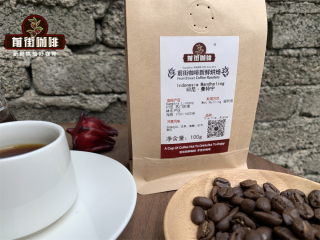
The Development History of Indonesian Coffee Bean Culture and its producing areas and grading system Mantenin's taste and flavor characteristics
Indonesian coffee Indonesian coffee is dull, low-sour and mellow, so it is a good heart for many coffee gluttons. Even after deep roasting, the characteristics of the beans themselves will not be lost, which is especially suitable for Asian coffee lovers. What kind of growing environment can cultivate such famous people as Manning, Kopi Luwak, etc.
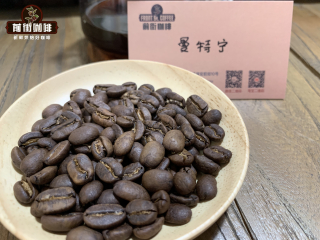
Sumatran Coffee Origin: is Sumatran Coffee good? Sumatran Manning Coffee characteristics
Sumatran Coffee some of the best gourmet coffee in the world grows in Sumatra and is called Manning Coffee, Ankora Coffee and Lin Tong Coffee. These coffees are characterized by their whole body, which is more down-to-earth and less acidic than Java Arabica coffee. Sumatran coffee with its rich and satisfying taste
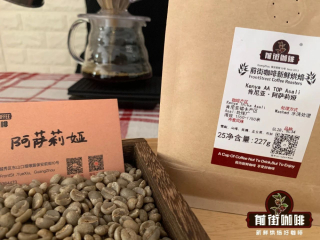
Introduction to the types of coffee beans in Kenya, grown in coffee-producing areas in Kenya
Following Caf é (official Wechat account vdailycom) found that the Beautiful Caf é opened its own shop in 1878, when the British brought coffee to Africa and set up a coffee plantation in Kenya in the 19th century, when Ethiopian coffee drinks were imported to Kenya through Southern Yemen.

Flavor and taste characteristics of Kenyan coffee beans | introduction to SL28 history and flavor brewing methods of coffee varieties
Sour, clean and beautiful, I believe most coffee lovers will think so when they drink Kenyan coffee. High quality acidity is the backbone and soul of Kenyan coffee. Kenyan coffee is sour and full, covering 29 flavors, including plum, blackcurrant, citrus, lime and grapefruit. One of the most famous is when
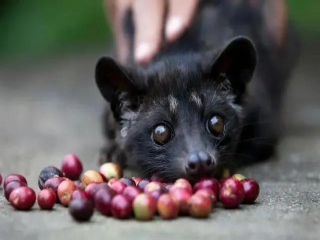
What are the effects of cat poop coffee beans and taboos and weight loss are authentic musk Kopi Luwak really clean and harmful to the human body?
Cat poop coffee beans cost hundreds of dollars per pound, making it one of the most expensive coffee in the world. So, what is the effect and effect of cat poop coffee beans? The efficacy and function of cat poop coffee beans: cat poop coffee beans are produced by the feces of Indonesian coconut cats (a kind of civets) as raw materials, so they are called cat poop coffee beans. This species
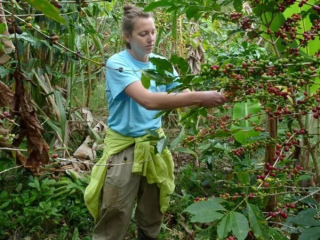
Introduction to the history of rich manors in Ecuadorian coffee producing areas the taste and flavor characteristics of Ecuadorian coffee beans
Following caf é (Wechat official account vdailycom) found that Arabica Coffee Tree, which opened a small shop of its own, was first introduced to Ecuador in 1952, and its coffee was of good quality, especially the coffee harvested in early June. Ecuadorian coffee beans can be divided into Galapago

Is Yirgacheffe Coffee Arabica? Key Facts About Its Varieties
Yes, Yirgacheffe coffee is 100% Arabica. Grown in Ethiopia’s high-altitude regions, it’s known for bright acidity, floral notes, and complex fruit flavors.
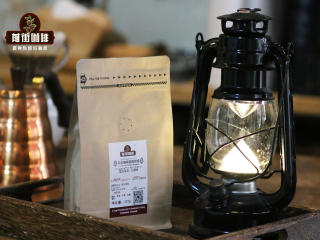
The difference between Yega Sheffield Coffee and Arabica Coffee introduction to the original varieties of Yega Chefe Coffee
Professional coffee knowledge exchange more coffee bean information please follow the coffee workshop (Wechat official account cafe_style) front street-Yega Xuefei introduction as the hometown of coffee, Ethiopia has its own advantages of topography and climate, for example, Ethiopia is dominated by mountainous plateaus, mostly belonging to Ethiopia
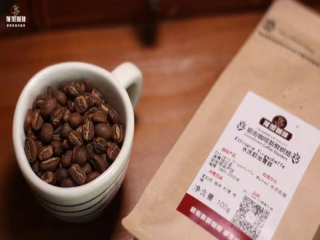
The relationship between Yega Chefe Coffee beans and Arabica Coffee Coffee
Professional coffee knowledge exchange more coffee bean information please follow the coffee workshop (Wechat official account cafe_style) in front of the street Yega Xuefei washed Waka introduction Yega Xuefei Coffee is one of the most distinctive coffee in the world, is an outstanding representative of African washed coffee, has always enjoyed popularity in the eyes of global coffee connoisseurs

Geisha vs Blue Mountain Coffee: Which Is Better?
Discover how Panama Geisha and Jamaica Blue Mountain compare in flavor, rarity, and brewing. Both are elite coffees, but for very different reasons.
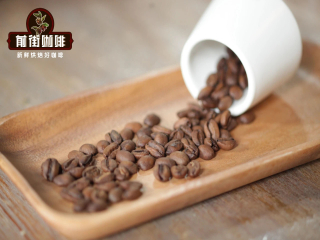
What are the varieties of Arabica coffee beans? What are the derived varieties and taste characteristics of Arabica coffee beans?
Professional coffee knowledge exchange more coffee bean information please follow the coffee workshop (Wechat official account cafe_style) what are the varieties of Arabica coffee beans? What are the derivative types and characteristics of Arabica coffee beans? In terms of appearance, Arabica bean body is long and flat, the central line is S-curve, Robusta bean

Kenya, how's the Kenyan coffee? Can Kenyan coffee be brewed directly by hand?
KenyaAB, how's the Kenyan coffee? Can the coffee powder be made directly? Hunter barista's flavor notes: dry aroma with berry and light floral aromas; full-bodied black plum on the mouth, soft and charming acidity, sweet blend with sugarcane, a touch of acidity of blackcurrant and grapefruit in the mouth, micronuclei
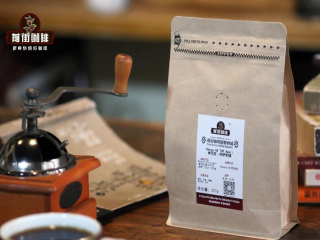
Extraction steps and flavor characteristics of Kenyan coffee beans by hand extraction introduction to the classification of Kenyan coffee varieties
Introduction to the steps of hand-flushing extraction of Kenyan coffee beans stage 1 [steaming] 1 burst beans, I am used to steaming with 15% of the total water. Therefore, the amount of steaming water in Kenya is 212.25X0.15=31.8 grams. But there are requirements for steaming water and circling, and hand-flush the pot with the smallest amount of water.