
Specialty Coffee Beans
Latest articles, industry insights and brewing guides

Introduction of boutique coffee beans in the main coffee producing areas of Puerto Rico
Yaocote's coffee, grown on three farms in the southwest of the island, is fragrant and has a long aftertaste. This kind of coffee is very expensive and its flavor is comparable to that of any other coffee variety in the world. In the Yaoke area, the coffee is owned and operated by the local planter. The mountain climate here is mild, the plants have a long ripening period (from October to February), and the soil quality is excellent.

High-quality Dominican Coffee Manor Flavor and Taste introduction of boutique Dominican coffee beans
The Dominican Republic is located in the east of the island of Haiti in the West Indies, bordering the Republic of Haiti to the west, the Atlantic Ocean to the north and the Caribbean Sea to the south. With an area of about 49000 square kilometers and a population of 7.1 million, the Dominican Republic and the Republic of Haiti coexist on an island bordering Haiti. Like its neighbors, the Dominican Republic had a history of revolution and poverty, but now

Taste of Mexican Coffee Flavor Manor introduces fine Mexican coffee
Mexicans are enthusiastic and optimistic, and the chocolates in Mexican coffee perfectly reflect this. There are different methods of Mexican coffee, but the main difference is whether it contains alcohol or not. let's first introduce the practice of non-alcohol. Heat a cup of milk, a teaspoon of cinnamon powder and a teaspoon of vanilla powder in a pot. Keep it at medium temperature. The heat is not too high. The milk must not boil. And then join.

Coffee trees planted in Arabica are introduced in the boutique Costa Rican Coffee Manor.
Coffee is an important economic source of Costa Rica. It was introduced in 1808 and has been cultivated for 200 years. Costa Rica has 1x3 population invested in newly developed villa sarchi, newly developed villa sarchi and coffee-related industries. Colombians say that coffee has changed the country and enjoyed a rich environment, and coffee has indeed made an outstanding contribution.

Sumatran Coffee producing area Manor Taste introduction Sumatran Fine Coffee beans
The most famous coffee producers in Asia are the islands of Malaysia: Sumatra, Java and Kaliman. Sumatra manning coffee from the Indonesian island of Sumatra is the most famous, it has two famous names, Sumatra mantenin DP first class and collection Sumatra mantenin. Sumatra Mantenin DP has a long aftertaste, with a wild fragrance.

Hawaiian Kona Coffee Flavor Taste Estate Introduction Boutique Coffee
Hawaii's earliest settlers arrived in 300 - 400 AD, and historians speculate that they came from the Marquesas Islands. The people lived on the island in separate tribes led by hereditary chiefs. The earliest Hawaiian inhabitants created Hawaii's rich musical culture, although not much writing survives. And the Europeans discovered Hawaii as pure coincidence.

The main cultivated areas of coffee trees in Colombia introduce the coffee producing areas in the Andes.
The planting environment edits Colombia's suitable climate to provide a real natural pasture for coffee. Coffee trees in Colombia are mainly cultivated in the Andes, on steep slopes about 1300 meters above sea level, where the annual temperature is about 18 degrees Celsius, annual rainfall is 2000 to 3000 mm, latitude 1-11 15 north and longitude 72-78 west. The specific range of elevation can be exceeded.

Introduction to the taste of soft and fragrant Rwandan boutique coffee manor
The taste of Rwandan coffee is described as a grassy aroma with tropical climates. in addition to the sweetness of fruit, this coffee also gives people a feeling of freshness, clarity, and freshness. Bourbon coffee grown in Rwanda is amazing for its sweet fruit, full-bodied, unrestrained and lingering aftertaste. This kind of coffee is delicious

Introduction to the flavor and taste of fine coffee beans in the main producing areas of Kenyan coffee
Kenya is bordered to the north by Ethiopia, the origin of Arabica coffee trees, but it was not until the beginning of the 20th century that coffee cultivation began. In the 19th century, missionaries introduced Arabica trees from Yemen, but did not plant them in large quantities until 1893. Brazil's ancient bourbon coffee seeds were introduced to cultivate coffee on a large scale. In other words, the current Kenyan coffee is of Brazilian origin.
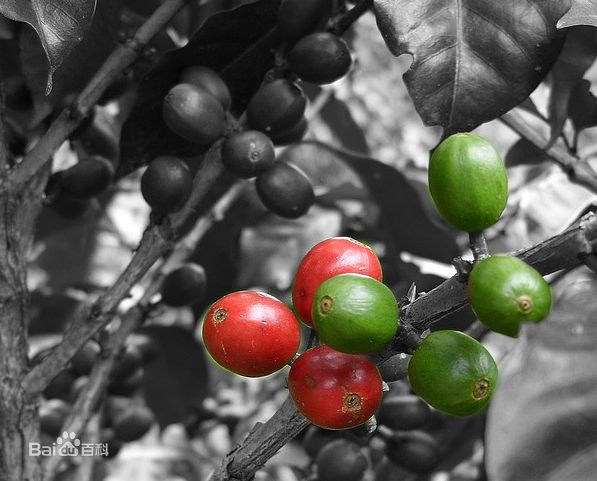
African Tanzanian coffee Kilimanjaro producing area pearl round bean PB Gillimaza African boutique coffee
Mount Kilimanjaro is in the northeast of Tanzania, the largest coffee producing area in Tanzania, which accounts for 75%. In general, coffee beans in Tanzania have extraordinary quality. The important producing areas are in the mountains near Kenya in the north, where coffee farmers account for 85% of the total, while local coffee farmers grow between 1300 and 2000m above sea level, with different coffee flavors.

Introduction of Brazilian Coffee producing countries with a wide range of Coffee
Brazilian coffee generally refers to coffee produced in Brazil. There are many kinds of Brazilian coffee, and like other Arabica coffee, Brazilian coffee is called Brazils to distinguish it from Milds coffee. The vast majority of Brazilian coffee is unwashed and sun-dried and is classified according to the name of the state of origin and port of transport. Brazil has 21 states and 17 states produce coffee, but four of them produce the most coffee.
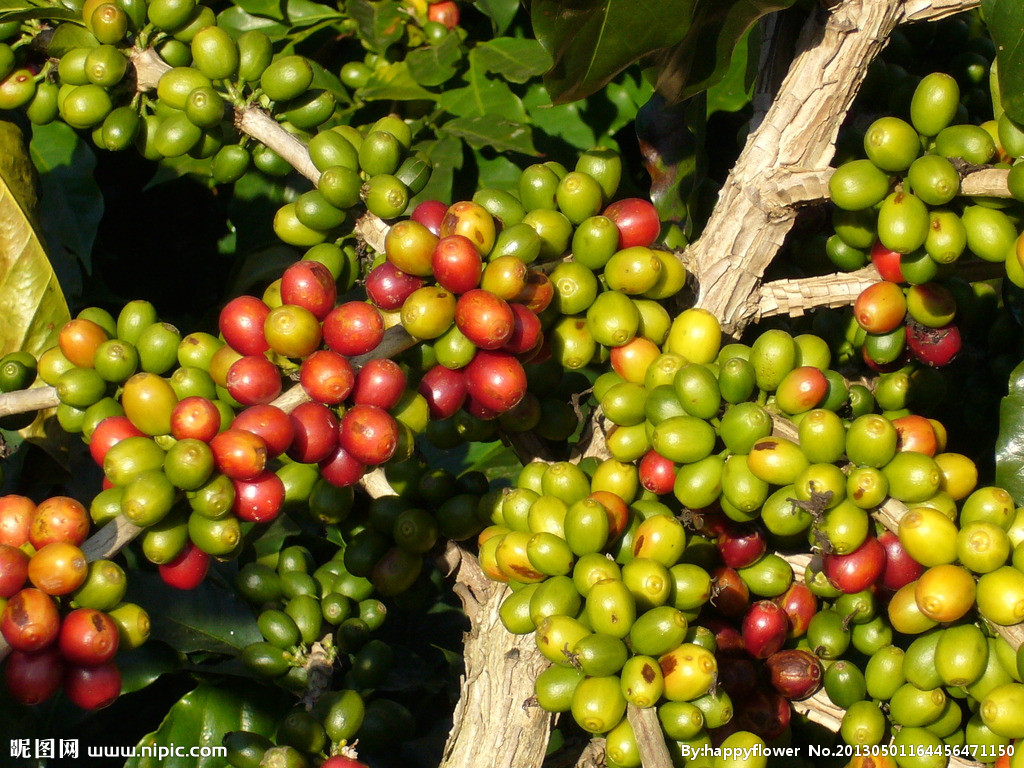
90 + Ethiopian water washed boutique coffee beans NistuRuz Nisuluju mistress coffee
Ninety plus is an internationally renowned coffee bean production and sales company, and is famous for providing rare and unique raw coffee beans. Joseph Brodsky officially founded Ninety plus in 2007, and since the next year, we can see traces of Ninety plus winning awards in large and small coffee competitions around the world. Last year, 2013, WBC World
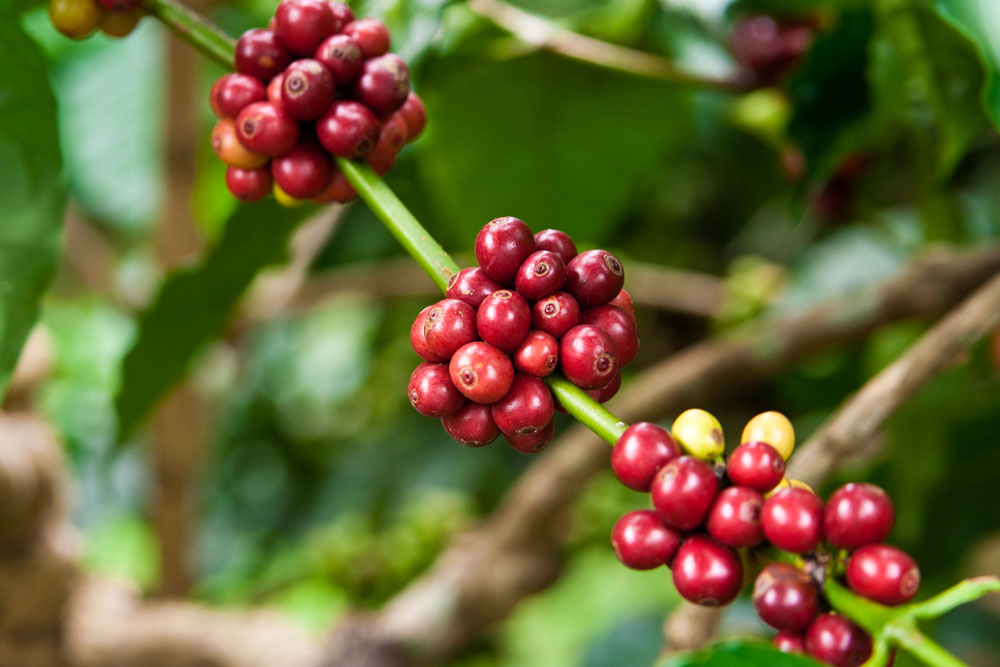
Ethiopia Yega Chuefei Sun Banchimaji BenchMaji African beans
Garden Coffee (garden) is now the main force of Ethiopian coffee. It is near the homes of small coffee farmers. The average planting area of each small coffee farmer family is less than one hectare. These small farmers form numerous cooperatives of different sizes, and the producing areas are also concentrated in the south and southwest, as well as in the east (Sidamo, Gedeo, South and North Omo). Hararghe, Wolega and

Fragrant and delicious Nicaraguan coffee flavor and taste characteristics of Nicaraguan coffee producing areas
Nicaraguan coffee Nicaragua coffee flavor characteristics: moderate acidity, fragrant and delicious. Nicaraguan coffee of high quality is in the forefront of coffee beans in the world and enjoys a good reputation. Its particles are moderate in size, mild in taste and very aromatic and mellow. Nicaragua is located in central Central America, bordered by the Pacific Ocean to the west and the Caribbean Sea to the east. The highlands in the north and the coastal plains in the east
The flavor of red apple and cherry fruit washed by Muxiui treatment plant in western Rwanda
Rwanda can be said to be a fast-growing boutique coffee producer in East Africa recently. Apart from the vivid memories of its sad story of the Luanda Holocaust, the quality of its boutique coffee has also improved very rapidly. This year, we have tested several fresh, very beautiful and elegant acids worthy of Rwanda. Like many African countries, Rwandan coffee is mainly produced by small farmers every year.

Noble and tender Cuban crystal coffee boutique coffee beans introduce the characteristics of Cuban crystal coffee
In Cuba, most of the coffee beans are picked by hand. Coffee beans are picked about every half a month during the ripening period. During or after picking, coffee beans are classified and those immature and bad beans are removed to ensure the quality of the coffee. Cubans usually deal with coffee beans in two ways: sun exposure and water washing. Sunbathing is the easiest,
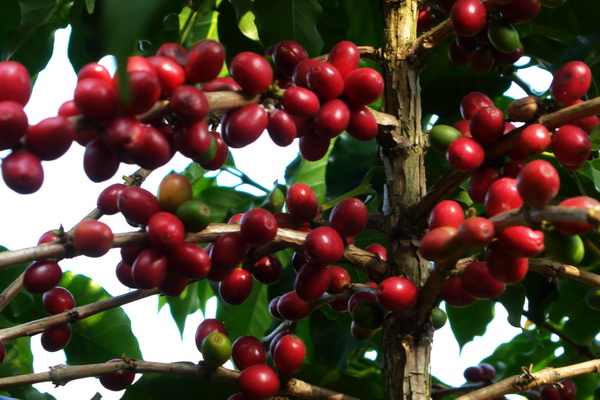
Ethiopia 90+levelup Deraella Flower language Sunshine Sidamo 90 plus boutique coffee beans
Ninety plus unique flavor classification, password classification: Ninety Plus coffee is classified according to the intensity of fruit flavor, which is different from the traditional classification of washing (Washed), Honey (honey) and Natural (sun). It is also W2, H2 and N2, but the fruit flavor grades created by different treatments are different, so you may drink it in the classification of honey flavor H2.
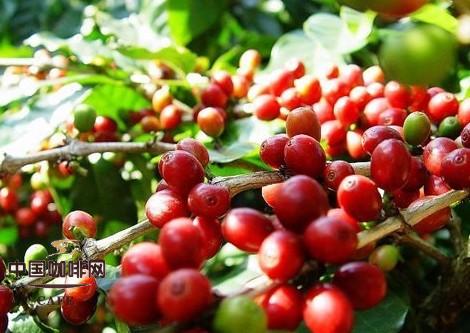
Ethiopian sun-dried yejafen aricha light fermented wine sweet tangerine flavor
Yega Xuefei is produced at the Kebel Aricha processing plant, where there are about 650,700 small coffee farmers who send ripe coffee berries here for processing in exchange for cash. After the treatment plant selects the available berries, they are directly exposed to the sun on the scaffolding and are turned every 2-3 hours in the first few days to prevent overfermentation. After four to six weeks of sun exposure, workers will look at the weather and temperature.

A balanced Salvadoran coffee bean flavor Introduction Salvadoran coffee flavor
Flavor: Balanced taste, excellent texture Suggestion Roasting method: Medium to deep, versatile Top quality beans: Salvador SHB Flavor characteristics: sour, bitter, sweet Mild and moderate. El Salvador is tied with Mexico and Guatemala as the producer of Asa and Meldo, and is competing with other countries for the top one or two places in Central America. Those who grow up in the highlands are both big and small.

Peruvian Organic Coffee Flavor and Taste introduction Peruvian boutique coffee beans
Peru is also a big coffee producer. Up to 98% of Peruvian coffee is grown in forest areas, and most producers are small farmers. Coffee is high-quality and balanced and can be used for mixed drinks. Peru has good economic conditions and a stable political situation, thus ensuring the good quality of coffee. In the mid-1970s, Peru produced about 900000 bags of coffee a year, and then continued.