
Specialty Coffee Beans
Latest articles, industry insights and brewing guides
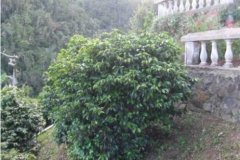
What Is Geisha Coffee? The Story Behind the Rare Variety
Discover the rare Ethiopian-origin Geisha coffee variety, its distinctive tree traits, low yield, and global cultivation—plus where you’ve seen it grown.
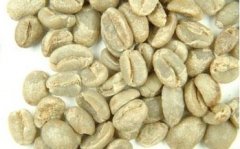
Congolese Kivu 4 Washed Coffee Beans Explained
Learn what makes the Congolese Kivu 4 washed coffee unique — its flavor profile, ideal roast level, and how it compares to Kenyan and Indonesian beans.
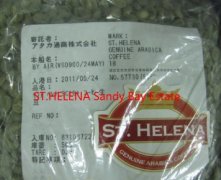
2011 Saint Helena Sandy Bay Estate Coffee Beans
Learn about the 2011 vintage from Saint Helena’s Sandy Bay Estate, featuring green-tipped Bourbon grown at high elevation with full washed processing.
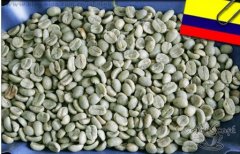
Colombia Supremo Coffee Beans from AF Farm
Discover Colombia’s premium Supremo coffee from AF Farm in Antioquia, grown at 1500–1800m with Caturra, washed processed, offering caramel, citrus, and cocoa tones.
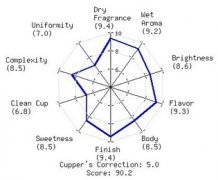
Washed vs Natural Yirgacheffe: G2 vs G3 Process Comparison
We compare a US-sourced Yirgacheffe G3 natural (90.2-rated) with a washed G2 to highlight how processing shapes flavor: floral, fruity, or clean.
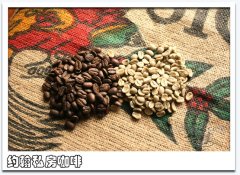
Papua New Guinea Sigri Estate Bird of Paradise Coffee
Explore why 'Bird of Paradise' coffee from PNG’s Sigri Estate tastes clean, bright, and smooth — and how it earned its iconic nickname.
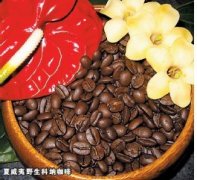
What Makes Jamaican Blue Mountain Coffee So Expensive?
Discover why Jamaican Blue Mountain coffee is rare, costly, and revered—plus insights into wild and shade-grown coffee trends.
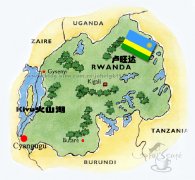
Rwandan Coffee and Its Renowned Washed Arabica Beans
Rwandan coffee is famed for its bright, complex washed Arabica beans with a soft, dense body and tropical fruit character.
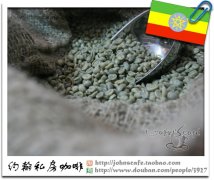
Yirgacheffe vs Harrar: Two Distinct Ethiopian Coffee Styles
Yirgacheffe offers bright, citrusy florals; Harrar delivers deep, fruity body. Discover how Ethiopia’s microclimates shape these iconic coffees.
Sulawesi Coffee: Indonesia’s Elegant Island Bean
Sulawesi coffee offers earthy aromas, herbal complexity, and a smooth, low-acidity profile thanks to its semi-washed processing. Learn what makes it unique.

Sumatran Coffee and Its Decaf Version Explained
Explore Sumatran coffee’s earthy profile and bold flavors, plus how decaf versions maintain that signature taste while cutting caffeine.

Why Does Starbucks Use Kenyan Coffee?
Starbucks sources Kenyan coffee for its bold acidity and sweet complexity. Here's why the AA grade and SL varieties stand out.
Starbucks' Choice: Colombian Coffee from Narino
Learn why Starbucks sources high-quality Supremo-grade coffee from Colombia’s Narino region, known for its nutty profile and smooth body.
Guatemalan Antigua Coffee from Starbucks
Discover the smooth, cocoa-rich profile of Starbucks’ Guatemalan Antigua coffee, a washed-process single origin with spice and nutty undertones.
Starbucks' First Single-Origin Bali Coffee
Starbucks' first single-origin Bali coffee is a washed-process bean with bold body, herbal notes, and dark chocolate tones.
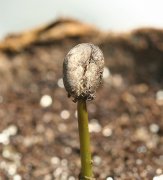
Why Panama Geisha Coffee Outshines Blue Mountain
Learn why Panama’s Geisha coffee surpassed Jamaica’s Blue Mountain and Hawaii’s Kona as the new specialty coffee benchmark.

Brazil Santos: The Reserved Coffee King
Explore why Brazil Santos is called the 'hermit' of the coffee world — a neutral, smooth, and widely used single origin with low acidity.
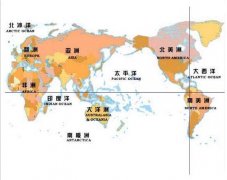
Colombian Supremo Coffee: Flavor Profile & Traits
Learn why Colombian Supremo coffee offers sweet acidity, low bitterness, and a velvety body—plus where it comes from and how it’s grown.
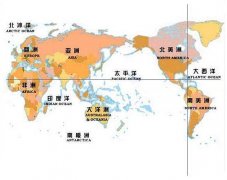
Cuban Coffee: What Is Crystal Mountain Coffee?
Crystal Mountain coffee from Cuba offers clean, delicate flavors with mild acidity, tobacco notes, and hints of fruit. Learn its origins and how to brew it.
Guatemalan Antigua Coffee with Tobacco Notes
Antigua coffee from Guatemala offers a rich, full-bodied profile with distinctive tobacco-like flavors. Learn why it’s sought after by specialty coffee drinkers.