
Specialty Coffee Beans
Latest articles, industry insights and brewing guides
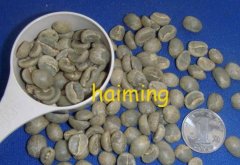
Guatemala Antigua La Flor Coffee Review & Roast Guide
Discover the floral, citrusy profile of Guatemala Antigua La Flor, a Bourbon-heavy SHB bean roasted with a 1-minute post-first-crack finish.

How Kopi Luwak Coffee Is Made From Civet Digestion
Kopi Luwak is made from coffee beans eaten and excreted by civets. This unique process affects protein breakdown and reduces bitterness. Find out how it works.

What Makes Coffee Truly 'Blue Mountain'?
Only coffee grown in Jamaica’s Blue Mountains can be called Blue Mountain coffee, and legal grades, sizes, and exports are strictly regulated.

Brazil Coffee: World’s Largest Producer with Smooth Flavor
Brazil grows more coffee than any other country, known for smooth, sweet, low-acid beans ideal for espresso blends. Here’s why.
How Brazil Grades Coffee by Taste, Not Altitude
Brazil grades coffee based on cupping results, not elevation or bean size. Learn how their unique 5-tier system works and why mesh size matters.

What Does a Coffee Fruit Actually Look Like?
Before roasting, coffee starts as a fruit—typically a cherry-like pod with two beans inside. Here’s what it really looks like and how it’s processed.
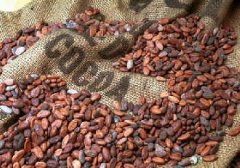
Colombia’s High-Yield, High-Quality Coffee Beans
Colombia produces large volumes of high-grade Arabica, mainly washed-process Caturra, Colombia, and Typica, with two annual harvests thanks to its latitude and elevation.

How Colombia Grades Coffee by Bean Size, Not Flavor
Colombia grades coffee solely by bean size — Supremo and Excelso refer to diameter, not taste. Most high-quality beans list their farm or region.
What Makes Jamaica Blue Mountain Coffee So Expensive?
Learn why authentic Jamaica Blue Mountain coffee is rare, costly, and sought after—plus how to brew it properly.
How Jamaica Blue Mountain Coffee Is Graded by Size and Defects
Learn how Jamaica Blue Mountain coffee is graded by bean size and defect limits—not just origin. Only 2% defects allowed at the top levels.
Why Kopi Luwak Coffee Costs Nearly $1,000 Per Kilogram
Kopi Luwak coffee can cost up to $1,000 per kilogram due to rarity, unique processing, and labor-intensive harvesting. Here’s why it’s so expensive.
Kopi Luwak Cupping Notes: World’s Most Expensive Coffee
A first-hand account of tasting civet coffee, roasted dark in Indonesia, with mild bitterness, earthy depth, and subtle aftertaste.
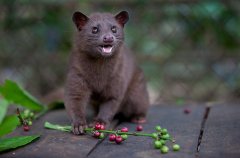
Why Is Civet Coffee So Expensive? The World’s Most Costly Bean
The world’s priciest coffee, Kopi Luwak, costs over $227 per pound due to its unique fermentation process via civet digestion. Here’s why.

Coffee Types and Characteristics: From Blue Mountain to Mocha
Explore the unique traits of global specialty coffees like Jamaica Blue Mountain, Colombian, and Ethiopian Yirgacheffe, plus brewing tips.

Yirgacheffe Coffee: Ethiopia’s Floral Specialty Bean
Discover why Yirgacheffe Ethiopian coffee is prized for its bright acidity, floral aroma, and citrusy sweetness — and how to brew it best.
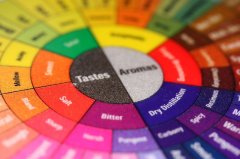
What Is the SCAA Coffee Taster’s Flavor Wheel?
Learn what the SCAA Coffee Taster’s Flavor Wheel is, how it works, and why it’s essential for coffee professionals and enthusiasts alike.

Why You Need a Coffee Tamper for Espresso
Using a tamper ensures even espresso extraction by creating uniform coffee density. Without it, water finds weak spots, causing channeling and poor crema.

How SammyLin’s Encircling Latte Art Method Works
SammyLin’s encircling latte art method, created in 2003, crafts designs by layering steamed milk, espresso crema, and foam—no free pour required.

How to Make Green Tea Coffee with Fresh Cream
A classic Japanese-style green tea coffee combines brewed coffee, fresh cream, and matcha powder for a balanced cultural flavor contrast.

Traditional Coffee Styles Across 10 Countries
Explore how people in 10 countries—from Italy to Russia—brew and enjoy coffee, each with unique methods and cultural flavors.