
Specialty Coffee Beans
Latest articles, industry insights and brewing guides

Colombia Medellín AF Estate Coffee Beans Guide
Explore the AF Estate in Medellín, Colombia, growing Caturra and Bourbon varieties at 1400–1800m, with EP 10%, Supremo, and Esmeralda single-origin lots.

Indonesian Aged Mandheling Coffee: What Makes It Special?
Learn what sets Indonesian Mandheling coffee apart, including its long aging process, low acidity, and bold body, especially from Sumatra’s Lintong region.
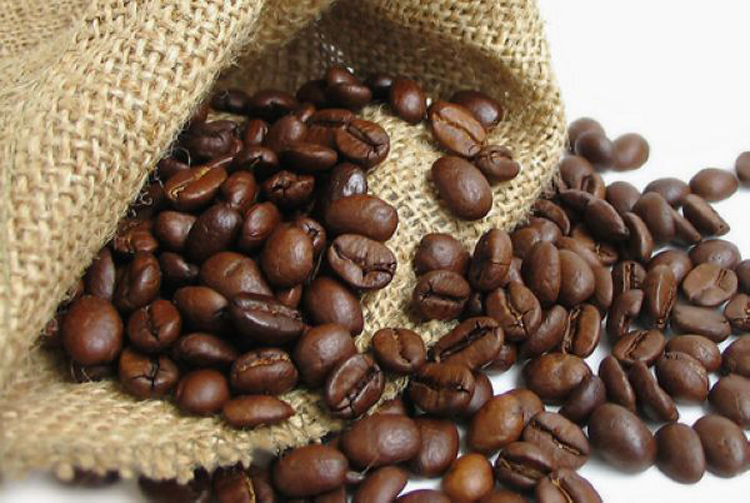
Washed Coffee Beans from Panama’s Casa Ruiz Estate
Discover the floral, citrusy washed coffee from Panama’s Casa Ruiz estate at 1400m in Boquete. Bright acidity and complex fruit notes make it a standout SHB lot.

How to Brew Vietnamese Coffee with Extra-Fine Grind
Learn the classic 10-minute method for making Vietnamese coffee with a metal drip filter, extra-fine grind, condensed milk, and sugar.

Kenya AA Coffee: Flavor, Acidity & Processing Secrets
Kenya AA is prized for its wine-like acidity, bright fruitiness, and intense aroma. Learn why it’s a favorite among specialty roasters worldwide.

What Makes Hawaiian Kona Coffee Special?
Hawaiian Kona coffee offers a bright, smooth cup with winey, fruity, and spicy notes — grown on volcanic slopes under unique microclimates.

How Long to Roast Mandheling Coffee Beans
Mandheling roast times range from six to nine minutes. For balanced medium roasts, aim for six to seven minutes to avoid over-roasting.

Colombian Coffee Varieties: Caturra and Colombia Explained
Discover why Colombia’s coffee landscape is shaped by Caturra and Colombia varieties—learn their origins, market share, and regional flavor profiles.
What Is Yirgacheffe? The Beginner-Friendly Ethiopian Coffee
Yirgacheffe is a bright, citrusy Ethiopian single origin often used as an entry point into specialty coffee. Learn why its lemony acidity makes it so approachable.

How to Taste and Appreciate Kenyan Coffee
Learn how to properly taste Kenyan coffee, including ideal serving temperature, portion size, and flavor notes for the best experience.

What Makes Kenyan Coffee So Special?
Kenyan coffee is known for its vibrant citrus acidity, winey complexity, and medium body. Grown at 1,500–2,100m, it’s handpicked and meticulously processed.

Costa Rica Coffee Regions: Tarrazú and Beyond
Learn why Costa Rican coffee, especially from Tarrazú, is prized for bright acidity, complex flavors, and sweet fruitiness at high altitudes.

Panama Coffee Beans: Flavor, Regions, and What Makes Them Special
Learn why Panama produces clean, bright specialty coffee, led by Geisha from Boquete and Volcán—regions with unique microclimates and high altitudes.

What Are Fresh Coffee Beans? Variety, Classification, and Moisture Guide
Learn how moisture content, appearance, and aroma reveal freshness in washed, natural, and semi-washed green coffee beans. Key numbers inside.

What Is Kopi Luwak Coffee and Why Is It So Expensive?
Kopi Luwak, or civet coffee, costs nearly $1,000 per kg—here’s why it’s the world’s most expensive specialty coffee bean.

High-Yield, High-Quality Colombian Coffee Beans Explained
Colombia is the world’s third-largest coffee producer, growing premium washed Arabica in high-altitude regions with two harvests per year.
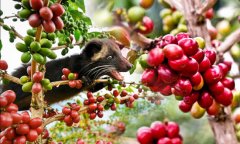
How to Identify and Select High-Quality Coffee Green Beans
Learn how to spot top-grade green coffee beans by inspecting color, size, and defects. Avoid common flaws that ruin roast quality.
How Washed Coffee Processing Works Step by Step
Learn how washed coffee is processed—from picking ripe cherries to drying beans—with key details on fermentation, washing, and drying methods.

What Makes Jamaican Blue Mountain Coffee Unique
Learn why Jamaica Blue Mountain coffee is rare, expensive, and balanced—with flavors of nuts, caramel, and mild fruit. Discover its true characteristics.

Where Is Arabica Coffee Grown in China?
Arabica coffee is grown in China’s high-altitude dry valleys, especially Sichuan’s Panzhihua and Yunnan’s Jinsha River region at over 1,000m elevation.