
Specialty Coffee Beans
Latest articles, industry insights and brewing guides
Tanzanian Coffee Guide: Kilimanjaro AA Flavor & Profile
Explore Tanzanian coffee from Mount Kilimanjaro—its flavor profile, processing, and why AA-grade beans are considered among Africa’s best.
What Makes Java Coffee Unique in Indonesia?
Java produces some of Indonesia’s most balanced and aromatic specialty coffees, known for high acidity and a nutty finish. Discover its history and flavor.
What Makes Jamaica Blue Mountain Coffee So Special?
Learn why Jamaica Blue Mountain coffee is rare, expensive, and prized for its balanced, smooth flavor with no bitterness.
Kenya AA Coffee: Flavor, Processing & What Makes It Special
Kenya grows some of the world’s most vibrant coffees, famous for their citrus, winey depth, and intense fruit acidity. Here’s what sets them apart.

How Costa Rica Processes Its Specialty Coffee
Costa Rica mostly uses washed and honey processes, with unique honey methods maximizing sweetness through full fruit pulp retention.
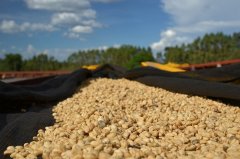
Rwandan Coffee: Flavor, Origins & Market Overview
Rwandan washed Arabica beans are known for soft, rich flavors. The country’s coffee industry thrives on quality, with bright citrus acidity and chocolatey sweetness.
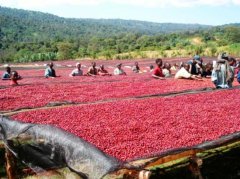
What Makes Panamanian Geisha Coffee So Special?
Learn why Panamanian Geisha (Geisha) coffee became a global phenomenon, its unique flavor profile, and where it comes from.

Panama Coffee Origins and Highland Estates
Explore Panama’s high-altitude coffee regions, key producing areas like Boquete, and why its specialty beans are sought after globally.
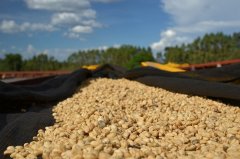
Nicaragua Coffee Regions and What Makes Their Beans Special
Discover why Nicaraguan coffee is smooth, aromatic, and ranks highly. Learn which regions produce the best beans and how political history shaped the trade.

What Makes Jamaica Blue Mountain Coffee So Special?
Learn why Jamaica Blue Mountain coffee commands premium prices, where it’s grown, and how its unique terroir shapes its balanced flavor.

How Colombia’s Hopes Farm Grew Panama’s Famous Geisha
Learn how Colombia’s Hopes Farm successfully cultivated Panama’s award-winning Geisha variety—and what makes its Colombian-grown version unique.

Angola’s Decline as a Coffee Producer and Its Historic Arabica Beans
Once Africa’s third-largest coffee exporter, Angola produced up to 3.5 million bags annually. By 1990, output plummeted to just 200,000 bags. What happened?

Colombian Coffee Growing Conditions and Flavor Profile
Explore Colombia’s high-altitude coffee zones, two annual harvests, and diverse flavor profiles from bright MAM regions to low-acid, full-bodied Bucaramanga beans.

What Makes Rwandan Specialty Coffee Unique?
Rwandan specialty coffee offers bright citrus sweetness, deep chocolate tones, and clean fruity profiles due to high-altitude volcanic soils and careful washed processing.

Why Hawaiian Kona Coffee Beans Look and Taste So Unique
Hawaiian Kona coffee boasts striking appearance, bright acidity, and wine-like complexity due to volcanic soil and meticulous farming on Hawaii Island.

What Are the Real Coffee Varieties Grown in Yunnan?
Yunnan’s famous 'small-seed' coffee isn’t a true variety. Discover the actual cultivars—Typica, Bourbon, and Catimor—and which define its specialty potential.

What Is Kopi Luwak Coffee and Why Does It Taste Different?
Learn how kopi luwak coffee gets its distinctive flavor profile, from digestion to roast, and why it commands premium prices.

What Makes Jamaican Blue Mountain Coffee So Special?
Jamaican Blue Mountain coffee offers balanced flavors, minimal bitterness, and is grown in a unique high-altitude environment. Learn what sets it apart.

What Is Real Jamaica Blue Mountain Coffee?
Learn what makes true Blue Mountain coffee so rare and expensive—only 900 tons/year, 90% to Japan, and grown above 1600m in Jamaica.

Vietnam Specialty Coffee: Flavors, Origins, and What Makes It Unique
Explore Vietnam’s specialty coffee scene, from Robusta dominance in the south to Arabica in the north, plus unique cream-roasted profiles and G7’s instant twist.