
Specialty Coffee Beans
Latest articles, industry insights and brewing guides

Gold Cup Standards for Drip Coffee Extraction
Learn the ideal Gold Cup coffee extraction: 18–22% yield, 1.2–1.45% TDS, with key variables for drip filter brewing.
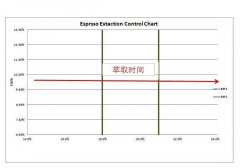
How Extraction Time Affects Coffee Strength & Balance
Learn how adjusting espresso or pour-over brew time impacts extraction rate and concentration, and why time isn’t always proportional to results.
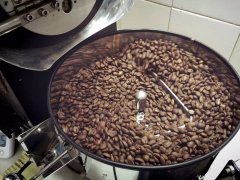
How Grind Size Affects Coffee Extraction and Brew Time
Learn how grind size directly impacts coffee extraction time, resistance, and yield—plus the right settings for every brew method.

How Water Temperature Affects Coffee Flavor During Brewing
Water temperature impacts coffee extraction—too high or too low can mute acidity, sweetness, and body. Here’s how to dial it in.

How Coffee Grind Size Affects Extraction & Flavor
Learn how grind size impacts coffee extraction time, flavor, and strength—and how to adjust it for your brew method.

How Grind Size Affects Coffee Flavor and Extraction
Learn how grind size, dose, water temperature, and brew time shape your coffee’s flavor profile — backed by measurable brewing variables.
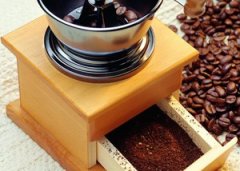
How Grind Size Affects Coffee Brewing Methods
Learn which grind size to use for Turkish coffee, Moka pots, espresso, drip, French press, and more—backed by exact recommendations.
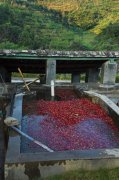
How Wet Processing Works for Yunnan Coffee Beans
Learn the full wet processing steps for Yunnan coffee—from sorting to fermentation—plus how timing affects cup quality.
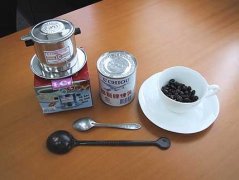
How to Use a Vietnamese Drip Filter (Phin)
Learn how to brew strong Vietnamese coffee using a traditional phin filter with condensed milk—step-by-step, including grind size, water temp, and timing.
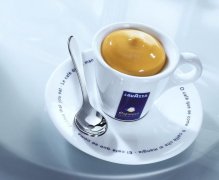
Why Coffee Makes You Jittery and Keeps You Awake
Caffeine blocks adenosine, boosting alertness but disrupting sleep. Learn how your body reacts and why sensitivity varies.
World Coffee Growing Regions: Key Origins Explained
Discover the 53 major coffee-growing countries worldwide, from Ethiopia to Hawaii, with key facts on each origin’s role in specialty coffee.
How to Use a Coffee Flavor Wheel and Its Origins
Learn how to read a coffee flavor wheel, why it matters, and how it evolved—from SCAA to Counter Culture—with tips for using it better.

The Origins of the Coffee Flavor Wheel
Learn who invented the coffee flavor wheel and how it evolved from Ethiopia’s coffee traditions to modern sensory science.
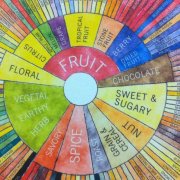
How the SCAA Coffee Taster’s Flavor Wheel Was Built
Learn how coffee’s four basic tastes—sweet, sour, salty, bitter—are sensed, extracted, and categorized, and how the SCAA flavor wheel reflects these findings.
How Roast Level Shapes Coffee Flavor Profiles
Deep roasts bring resinous, smoky aromas via Maillard and dry distillation reactions; light roasts highlight fruity, floral notes. Here’s how heat transforms flavor.

Eight Proven Health Benefits of Drinking Coffee
Coffee boosts energy, protects against some cancers, aids digestion, and may reduce cholesterol — here’s what science actually says.

Why Are My Coffee Beans Oily? Freshness Explained
Oily coffee beans aren't necessarily stale. Oil appearance depends mostly on roast level and temperature—not freshness. Here's what really causes it.
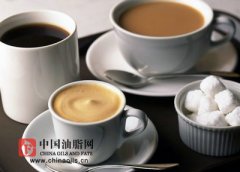
Five Health Risks Linked to Regular Coffee Drinking
Drinking coffee may raise risks including infertility, heart attack, and osteoporosis—here’s what the research says about safe limits.
Does Coffee Prevent or Cause Cancer?
Coffee offers health benefits like reducing diabetes risk and Parkinson’s chance—but also risks like insomnia and calcium loss. Here’s what science says.

Brazil: The World’s Largest Coffee Bean Producer
Brazil produces nearly 30% of the world’s coffee, driving global prices with its harvest. Learn how drought and farming shape its global role.