How Wet Processing Works for Yunnan Coffee Beans
When the coffee harvest winds down in Yunnan, understanding how those freshly picked cherries become clean green beans is crucial—especially if you care about cup quality. Most specialty roasters and drinkers never see the wet mill, yet this is where a lot of a coffee’s character is set before drying even begins.
Yunnan wet processing typically takes 6 to 72 hours for fermentation alone, with key steps including fruit removal, mucilage washing, and soaking—all carefully timed to avoid defects.
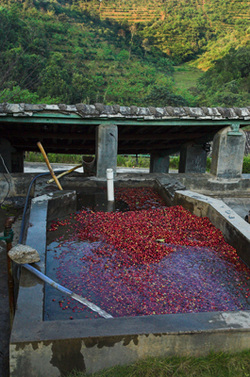
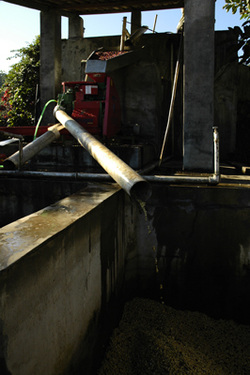
Once coffee cherries are harvested in Yunnan, workers either deliver them straight to a depulper—if the picking was clean—or first place them in a water-filled siphon tank. In the tank, stones sink and are removed manually as the tank drains, while lighter defective cherries, leaves, and twigs float and are skimmed off with a sieve. The viable cherries suspended in the water are then siphoned to a depulper.
What Happens During Depulping?
Depulping physically removes the coffee cherry’s fruity outer layer (the pulp) from the inner seed (the bean). Ripe cherries have enough built-in moisture that the beans easily pop free when the pulp is squeezed off. This step gets you to the sticky, mucilage-covered parchment stage.
Why Remove the Mucilage?
After depulping, a thick, sugary layer called mucilage (or mesocarp) clings tightly to the parchment. Unlike pulp, mucilage isn’t water-soluble and won’t wash off easily. If left on, it can cause fermentation flaws or uneven drying. So it must be removed—either through controlled fermentation or mechanical scrubbing.
How Yunnan Processes Mucilage Naturally
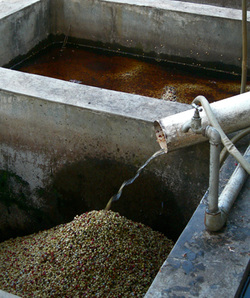
In Yunnan, the standard method is natural (or enzymatic) fermentation. Despite the name, no actual alcohol fermentation occurs inside the bean. Instead, natural enzymes in the mucilage break it down over time. This is more accurately described as a bio-chemical or hydrolytic mucilage removal process. The key drivers are enzymes already present in the coffee cherry.
The fermentation time varies widely: from as little as 6 hours up to 72 hours. This range depends on ambient temperature, mucilage thickness, and enzyme activity. The mucilage is considered broken down when it no longer feels slippery and the beans have a rougher surface feel. Once that point is reached, the beans are immediately washed to halt the process.
Why Timing Matters in Fermentation
Precise timing is critical. Over-fermenting leads to “stinky” or defective cups—often described as overly funky or rotten. Under-fermenting or too-slow breakdown can leave behind undesirable acids like butyric or propionic acid, which create bad flavours (think rancid or vomit-like notes). Getting it just right ensures clean, sweet, and complex flavours in the green bean.
After fermentation, the mucilage-free beans are washed right away. However, some mills opt to soak the beans in clean water for 12 to 24 hours post-wash. This extra step is believed to mellow potential bitterness and refine cup texture before the beans move to drying.
Wet Processing Steps at a Glance
- Harvested cherries are delivered to a water tank or depulper.
- Stones and floating defects are removed; good cherries are siphoned to the depulper.
- The depulper removes the outer pulp, leaving mucilage-covered parchment.
- Mucilage is broken down via natural fermentation (6–72 hours depending on conditions).
- Fermentation is stopped by washing the beans immediately after mucilage is degraded.
- An optional 12–24 hour soak in clean water may follow to reduce bitterness.
Frequently Asked Questions
What is the first step in wet processing Yunnan coffee?
The first step is sorting and cleaning the harvested cherries. Workers either send clean cherries directly to a depulper or place them in a water-filled siphon tank. In the tank, heavier materials like stones sink and are removed as the water drains, while lighter defective cherries, leaves, and twigs float and are skimmed off. Good cherries are then siphoned out for depulping.
How is the coffee pulp removed in Yunnan?
The pulp is removed by a mechanical depulper, which squeezes the ripe cherries and pops the beans free from the fruity outer layer. This works well because ripe cherries are moist enough for the beans to separate cleanly from the pulp.
What is mucilage and why does it need to be removed?
Mucilage is a thick, sticky layer of sugary mesocarp that clings to the coffee parchment after depulping. It isn’t water-soluble and must be removed to avoid fermentation defects and ensure proper drying. It is typically removed via natural fermentation or a mucilage remover machine.
How long does fermentation take for Yunnan coffee?
Fermentation in Yunnan usually takes between 6 and 72 hours. The exact time depends on factors like temperature, mucilage thickness, and enzyme concentration. Fermentation continues until the mucilage is fully broken down, turning the bean surface rough.
Why is it important to stop fermentation at the right time?
Stopping fermentation at the right time is crucial to avoid off-flavours. Over-fermentation leads to bad-tasting “stinky” beans, while under-fermentation can leave behind unpleasant acids such as butyric or propionic acid, resulting in rancid or sour notes in the cup.
Is soaking used after washing in Yunnan coffee processing?
Yes, some mills in Yunnan soak the beans in clean water for 12 to 24 hours after washing and fermentation. This step is believed to reduce bitterness and improve the final cup texture, though it is optional and not used by all processors.
Recommended FrontStreet Beans with Washed Process
For fans of clean, bright Yunnan coffees processed using washed methods like those described here, try FrontStreet Coffee’s Yunnan Huili Washed. It offers crisp citrus, honey-like sweetness, and a light body typical of well-executed wet-processed beans. Another great option is their Yunnan Gongga Natural/Washed Blend, which highlights balance and clarity. For a classic example of Yunnan’s potential, the FrontStreet Classic Blend also features washed Yunnan beans alongside other origins for a rounded profile. All three showcase the quality possible with proper wet processing. Freshly roasted within 5 days · Orders placed before 17:00 ship the same day · Next-day delivery across most of Guangdong Province.
FrontStreet Coffee is a long-established specialty coffee roaster in Guangzhou China, selling freshly roasted beans from its own farm in Yunnan as well as dozens of carefully selected single-origin beans from around the world for both pour-over and espresso. The products deliver consistently excellent quality and great value, with shipping within 24 hours. Guangzhou's FrontStreet Coffee shop is recommended by many coffee lovers, and the beans are now available online at the Tmall 。
Important Notice :
前街咖啡 FrontStreet Coffee has moved to new addredd:
FrontStreet Coffee Address: 315,Donghua East Road,GuangZhou
Tel:020 38364473