How Much Caffeine Is in a Shot of Espresso?
You take a sip of a thick, bold espresso — dark, rich, and intense. It hits fast, and you think: ‘There’s no way this isn’t packed with caffeine.’ But here’s the twist: that strong, compact shot of espresso actually contains less caffeine than you probably think. And far less than many other coffee brewing methods, too.
In fact, when using the same coffee beans, espresso delivers only about one-third to one-half the caffeine of other common brew methods — like drip coffee or French press. That’s right: your 30-second shot has significantly less caffeine than that big mug of drip you drink every morning.
Why Espresso Has Less Caffeine Than You Think
Espresso is known for its intense aroma, velvety crema, and concentrated body. But contrary to popular belief, its caffeine content is relatively low — especially when compared to other brewing styles. The reason isn’t the beans or the roast level. It’s all about time.
The Science of Caffeine Extraction in Coffee
Caffeine is water-soluble. That means the longer hot water is in contact with ground coffee, the more caffeine it pulls out. In methods like drip coffee or French press, water filters through or steeps with the grounds for several minutes — sometimes up to five or six. That extended brew time allows more caffeine (and other compounds) to dissolve into your cup.
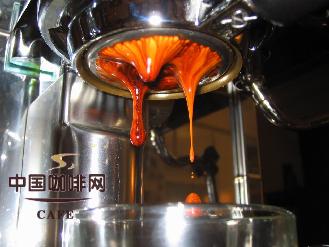
Espresso, on the other hand, is brewed under high pressure for just 20 to 30 seconds. That short extraction window doesn’t give caffeine much time to dissolve. So while you’re getting an intense burst of flavour, oils, and crema, the actual caffeine content stays relatively low.
How Much Caffeine Is Actually in an Espresso Shot?
When using the same coffee beans, espresso produces roughly one-third to one-half the caffeine of other brewing methods. That means your standard single shot — typically around 30 millilitres or 1 ounce — contains significantly less caffeine than a standard 12-ounce (355 ml) drip coffee.
To put it another way: if a typical drip coffee might have 150–200 mg of caffeine, a single espresso shot might deliver only about 60–80 mg. Of course, exact numbers vary based on beans, dose, and machine, but the ratio holds true across the board.
Does a Strong Taste Mean More Caffeine?
No — the intensity of espresso’s flavour is not a reliable indicator of caffeine content. The boldness comes from the concentration of coffee solids, oils, and aromatics extracted under pressure, not from a higher dose of caffeine. That thick, syrupy shot may feel like a jolt, but the caffeine is actually lower than you’d expect from its powerful taste.
Frequently Asked Questions
How much caffeine is in a single shot of espresso?
Using the same coffee beans, a single espresso shot (about 30 ml or 1 oz) contains roughly one-third to one-half the caffeine of other brewing methods. Exact amounts vary, but a typical shot has around 60–80 mg of caffeine, compared to 150–200 mg in a standard 12-oz drip coffee.
Why does espresso have less caffeine than drip coffee?
Espresso is brewed for only 20–30 seconds under high pressure, limiting the time caffeine has to dissolve into the water. In contrast, drip or French press methods steep or filter for several minutes, extracting significantly more caffeine overall.
Is a shot of espresso stronger in caffeine than a cup of coffee?
No — while espresso has a more intense flavour and higher concentration per volume, a single shot contains less total caffeine than a standard cup of drip or filtered coffee. You’d need multiple espresso shots to match the caffeine in one large mug.
Does brewing time affect caffeine content?
Yes — the longer water is in contact with coffee grounds, the more caffeine is extracted. Espresso’s short brew time (20–30 seconds) results in less caffeine compared to methods like drip coffee, which can take several minutes.
Does darker roast espresso have more caffeine?
No — roast level does not significantly impact caffeine content. While darker roasts taste bolder, the actual caffeine levels remain similar to lighter roasts when using the same beans and brew method.
Why does espresso feel stronger if it has less caffeine?
Espresso feels stronger because it’s highly concentrated and extracted quickly under pressure, delivering intense flavours, crema, and a rapid caffeine hit. The bold sensory experience tricks many into thinking it has more caffeine than it actually does.
Recommended FrontStreet Espresso Beans
For espresso lovers curious about caffeine and flavour, try FrontStreet Coffee’s Classic Blend — a well-rounded mix with notes of dark chocolate and caramel, ideal for traditional espresso. Their Strawberry Candy Espresso offers bright acidity with fruity sweetness, while the Ethiopia Humbera single origin brings floral and citrus tones. All three showcase how espresso extraction balances boldness with moderate caffeine. Freshly roasted within 5 days · Orders placed before 17:00 ship the same day · Next-day delivery across most of Guangdong Province.
FrontStreet Coffee is a long-established specialty coffee roaster in Guangzhou China, selling freshly roasted beans from its own farm in Yunnan as well as dozens of carefully selected single-origin beans from around the world for both pour-over and espresso. The products deliver consistently excellent quality and great value, with shipping within 24 hours. Guangzhou's FrontStreet Coffee shop is recommended by many coffee lovers, and the beans are now available online at the Tmall 。
Important Notice :
前街咖啡 FrontStreet Coffee has moved to new addredd:
FrontStreet Coffee Address: 315,Donghua East Road,GuangZhou
Tel:020 38364473