
Specialty Coffee Beans
Latest articles, industry insights and brewing guides

What Gives Coffee Its Sweetness, Bitterness, Acidity, and Body?
Discover how sugar, minerals, fiber, and roasting chemistry create coffee’s signature flavors—sweetness, bitterness, acidity, and body—in every cup.
Arabica vs Robusta: The Two Main Coffee Tree Types
Learn the key differences between Arabica and Robusta coffee, from growing altitude and flavor to caffeine levels and bean shape.
Yunnan Bourbon AA Coffee: Flavor & Roast Guide
Discover the bright, fruity profile of Yunnan’s top-grade Bourbon AA coffee, best at Full City roast for espresso or filter.
Hawaii Kona Extra Fancy Coffee Beans Explained
Learn what makes Hawaii Kona Extra Fancy one of the world’s most prized single-origin coffees, from its volcanic soil to ideal roast levels.
What Is Aged Mandheling Coffee? The Indonesian Specialty Bean
Learn why aged Mandheling coffee develops lower acidity and thicker body, how long it’s stored, and how it’s roasted for a smooth, syrupy cup.
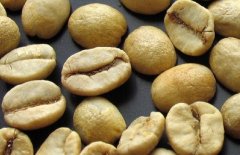
What Is Brazilian Santos Coffee? Facts on Brazil’s Most Famous Bean
Brazil produces 30–35% of the world’s coffee, but only Santos stands out. Learn why this flat bean dominates blends and espresso.
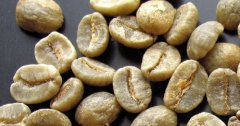
What Makes Colombian Coffee Beans Unique?
Discover why Colombian coffee beans are globally prized for their balanced flavor, washed processing, and ideal high-altitude growing conditions.
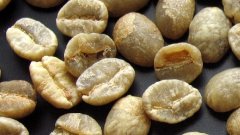
What Makes Kenyan Coffee Beans So Special?
Kenya grows some of the world’s most vibrant washed Arabicas, prized for high acidity, deep fruitiness, and meticulous processing. Learn what sets AA-grade beans apart.
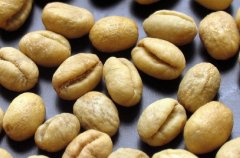
Tanzanian Coffee Beans: What Makes Them Unique?
Learn where Tanzania’s best coffee grows, how it’s processed, and why its flavor stands out in the specialty market.
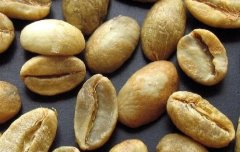
Ethiopian Mocha Coffee Beans: What Makes Them Unique
Learn why Ethiopian Mocha green beans offer vibrant acidity and rich aroma, grown in high-altitude regions like Harrar and Sidamo.
What’s in Coffee Beans? The Role of Caffeine and Other Compounds
Explore the key chemical compounds in coffee beans—caffeine, tannins, fats, sugars, and more—and how they shape flavor, aroma, and effects.

How Jamaica Blue Mountain Coffee Is Made
Discover how Jamaica Blue Mountain coffee achieves its legendary status—from volcanic soil to strict export rules. Learn what makes it truly rare.

How Different Coffee Brewers Actually Work
A clear breakdown of how pour-over, moka pots, espresso machines, siphons, French presses and more extract coffee — with exact temperatures, timings and techniques.
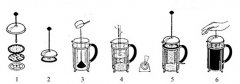
How to Use a French Press for Rich Coffee
The French Press delivers bold, full-bodied coffee by steeping grounds in hot water. Here’s how to brew it right—with grind, time, and temp details.
Why Panamanian Geisha Beats Jamaican Blue Mountain
Learn why Panamanian Geisha coffee has dethroned Jamaica Blue Mountain and Hawaii Kona as the world’s most sought-after specialty bean.

Understanding Coffee Roast Levels from Light to Dark
Learn how coffee roast levels—from light to dark—affect flavor, acidity, and brewing suitability. A full guide to every roast stage.
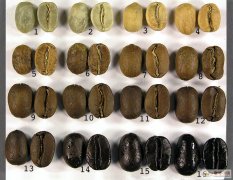
Coffee Roasting Principles and Global City Styles
Learn how roast levels define coffee flavor, the 8 global roast styles, and how cities like New York, Paris, and Tokyo shape roast preferences.

Two Coffee Bean Blending Methods Explained
Learn how to blend coffee beans by roast level or origin to balance flavors. Includes five tested roast blend ratios.
How to Read Coffee Roast Labels and Understand Levels
Learn what Italian, Vienna, French, and other roast labels really mean—and how to tell light, medium, and dark roasts apart by appearance and flavor.

Global City Roast Preferences Explained
From Tokyo’s high-roast to Vienna’s full-city, discover how city preferences shape global coffee roast styles.