
Specialty Coffee Beans
Latest articles, industry insights and brewing guides

How to Use and Maintain Electric Coffee Makers Safely
Learn how to safely operate and clean electric coffee makers and avoid common mistakes like running them empty or immersing them in water.

How to Choose a Home Coffee Maker: Types & Tips
Learn the 3 main coffee brewing methods—espresso, drip, and cold brew—and which home coffee machines work best for each, with key temperature and pressure details.

How to Store Coffee Beans for Freshness and Flavor
Learn the best way to store coffee beans to preserve freshness and flavor, including ideal packaging, shelf life, and common mistakes to avoid.

Coffee Tree Basics, Bean Types, and What to Know
Learn the essentials of coffee trees, the difference between Arabica and Robusta, how beans are processed, and what makes a great cup.
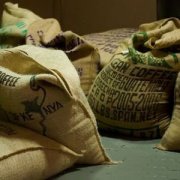
How to Store Coffee Beans in Jute Sacks Properly
Learn how to store green coffee beans in jute sacks, including ideal conditions, risks of plastic bags, and bean aging traits.

The Three Original Coffee Species Compared: Arabica
Learn how Arabica, Robusta, and Liberica differ in origin, growing conditions, flavor, and global production share.
What You Should Know About Coffee Bean Origins
Learn which countries grow your coffee and how regional growing conditions shape flavor—from Ethiopia’s floral acidity to Jamaica’s sought-after Blue Mountain.

How Single-Origin Arabica Coffee Varies by Farm and Region
Learn how Arabica coffee flavors differ by region and estate, with key characteristics for major coffee-growing areas worldwide.

How to Read Coffee Bean Labels: Names, Origins, and Roasts Explained
Learn what terms like 'single origin', 'blend', 'Yirgacheffe', and 'French roast' really mean on coffee labels—and how to choose beans confidently.

Hawaii’s Last Coffee Fields: What Makes Kona Unique
Hawaii is the only U.S. state that grows coffee commercially. Here’s why Kona coffee is rare, where it comes from, and what makes it distinct.
Where Arabica Coffee Is Grown Around the World
Explore global Arabica coffee production by country—yields, regions, elevations, flavors, and classic processing styles.
Where Coffee Trees Come From: Ethiopia & Key Facts
Coffee originates from Ethiopia, where the Coffea plant grows wild. Learn how climate, species, and processing shape the beans we roast today.

The Three Main Coffee Species Explained
Learn the differences between Arabica, Robusta, and Liberica — the three primary coffee species, their growing conditions, flavors, and market presence.
How to Judge Coffee Bean Freshness and Quality
Learn how to assess coffee bean freshness, roast quality, and flavor by examining appearance, grind sound, extraction, and taste. Key tips inside.

How Colombia Grades Its Coffee Beans by Size
Colombia grades coffee beans solely by size—18 mesh or larger is Supremo, smaller is Excelso. Taste isn’t part of the grade.
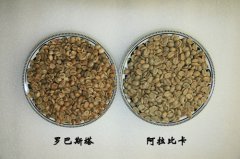
Arabica vs Robusta Coffee Beans: What’s the Difference?
Arabica beans are longer, flatter, and typically greener; Robusta beans are rounder, thicker, and paler. But appearance alone isn’t reliable for telling them apart.

How to Judge Coffee Bean Freshness by Appearance
Learn to spot fresh coffee beans by shape, color, and aroma. Avoid stale or defective beans with these visual and sensory checks.
Why Colombia Grows Exceptional Specialty Coffee
Colombia’s diverse microclimates and high-altitude farms produce world-class coffee. Learn which regions and varieties deliver the best flavor.

Yirgacheffe’s Oldest Processing Method: Natural Coffee
Yirgacheffe’s rare natural-process coffees deliver intense fruitiness and wine-like body. Here’s how Ethiopia’s oldest method shapes its signature cup.

What Makes Peaberry Coffee Different?
Peaberry coffee beans, also called caracoli, are rare single-round beans that form inside coffee cherries instead of the usual two flat beans.