The Three Main Coffee Species Explained
If you’ve ever wondered why some coffees taste bright and complex while others are harsh and bitter, the answer often starts with the species. Most coffee drinkers have never heard of more than one or two coffee types — usually just Arabica. But there are actually three main coffee species cultivated worldwide, each with unique traits that affect how the coffee grows, tastes, and is used.
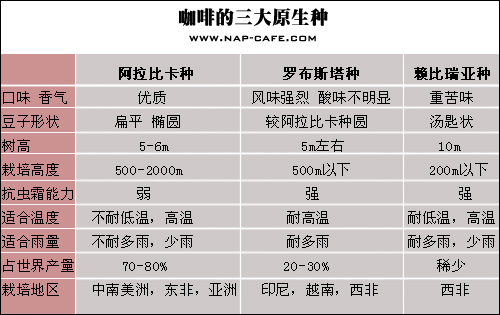
There are three primary coffee species: Arabica (70–80% of global production), Robusta (common in blends and instant coffee), and Liberica (rare and nearly absent from global trade). Arabica is prized for its balanced flavor and lower caffeine, Robusta for its strength and resilience, and Liberica for its unusual adaptability but poor cup quality.
What Are the Three Main Coffee Species?
Coffee is not a single plant — it’s a genus with hundreds of species, but only three are commercially significant: Arabica, Robusta, and Liberica. These three make up nearly all the coffee grown and consumed around the world. Each has different growing needs, flavors, and market roles. Understanding these differences helps explain why your morning cup tastes the way it does.
Arabica: The Global Favorite
Arabica (Coffea arabica) accounts for 70–80% of the world’s coffee production. It’s the species behind iconic coffees like Jamaica Blue Mountain, Yemen Mocha, Ethiopian Yirgacheffe, and Sumatra Mandheling. Arabica is known for its balanced flavor, pleasant acidity, and lower caffeine content compared to other species. Its popularity stems from its superior cup quality, though it’s also more challenging to grow.
Arabica thrives at higher altitudes, typically between 600 and 1,800 meters above sea level. It prefers mild days and cool nights, and grows best in tropical highland climates with consistent temperatures around 38°F (3–20°C range), steady rainfall, and no frost. These strict climate requirements mean Arabica can only be cultivated in about 50 countries located within 160 kilometers of the equator.
Major Arabica-producing countries include Brazil, Colombia, Guatemala, Ethiopia, Jamaica, Mexico, Costa Rica, and Honduras. The diversity of Arabica flavors is partly due to the wide range of terroirs where it’s grown. Within Arabica, there are well-known cultivars like Typica, Bourbon, Geisha, and Caturra, each contributing unique tasting notes to the final cup.
Robusta: The Hardier Sibling
Robusta (Coffea canephora) makes up most of the remaining 20–30% of global coffee production. It’s mainly grown in Uganda, Ivory Coast, Congo, and Angola. Robusta plants are much tougher than Arabica — they tolerate heat, humidity, drought, cold, and disease, including some forms of leaf rust. The beans are smaller, irregularly shaped, and contain almost double the caffeine of Arabica.
Because of its resilience, Robusta can be grown at low altitudes and doesn’t require the careful handling or manual harvesting that Arabica does. However, these advantages come at a cost: Robusta has a harsh, bitter flavor with a flat acidity, little sweetness, and a peanut-like aftertaste. Its high caffeine content acts as a natural pest deterrent but also contributes to its intense, unpleasant bitterness.
Robusta is rarely sold as a single-origin coffee. Instead, it’s commonly used in espresso blends to add body and crema, or in instant coffee production. While not favored for specialty coffee, Robusta plays an essential role in certain brewing methods and price-sensitive markets.
Liberica: The Elusive Outsider
Liberica (Coffea liberica) is the rarest of the three, accounting for less than 1% of global coffee production — and it’s almost never seen in international trade. Originally from West Africa, Liberica plants are hardy and can withstand various environmental conditions, but they’re highly susceptible to leaf rust. The flavor of Liberica is generally considered inferior to Arabica, with a woody, smoky profile that lacks the complexity and acidity specialty coffee drinkers value.
Liberica trees grow large and produce unusually shaped beans. Despite its adaptability, Liberica never gained a foothold in the global market due to its poor cup quality. Today, it’s grown in small amounts in Southeast Asia, particularly Malaysia and the Philippines, but remains a curiosity rather than a serious commercial crop.
Why These Three Dominate Coffee Production
The dominance of Arabica, Robusta, and Liberica comes down to a mix of biology, economics, and flavor. Arabica offers the best-tasting cups but requires ideal growing conditions and careful farming. Robusta is cheaper and easier to produce but lacks refined flavor. Liberica falls in between — resilient and adaptable, but with unappealing taste characteristics that limit its market appeal.
These three species also reflect the history of coffee cultivation. Arabica originated in Ethiopia and spread to the Arabian Peninsula before reaching the Americas. Robusta was discovered in the Belgian Congo in the late 19th century as a response to the coffee leaf rust epidemic that devastated Arabica plantations. Liberica briefly rose to prominence in the late 1800s when it was planted in Southeast Asia as another rust-resistant alternative, but it was quickly abandoned for its flavor shortcomings.
How to Choose Between Coffee Species
As a coffee drinker, you’re most likely to encounter Arabica, especially if you buy specialty coffee. Arabica beans are the go-to choice for pour-over, French press, and espresso when seeking balance, acidity, and fruity or floral notes. Robusta is common in espresso blends, especially Italian-style, where its bold body enhances crema. It’s also found in instant coffee. Liberica is extremely rare and generally not recommended unless you’re curious about its unique, smoky profile.
If you’re exploring specialty coffee, focus on Arabica cultivars and origins. Look for information on processing methods, altitude, and roast levels to understand what shapes the cup’s flavor. Robusta has its place, particularly in certain blends, but it’s rarely celebrated on its own. And unless you’re a coffee historian or adventurous enthusiast, Liberica is not worth seeking out.
Frequently Asked Questions
What are the three main coffee species?
The three main coffee species are Arabica, Robusta, and Liberica. Arabica makes up 70–80% of global production, Robusta around 20–30%, and Liberica less than 1%. Arabica is known for its balanced flavor, Robusta for its strong, bitter taste and high caffeine, and Liberica for its rarity and woody profile.
Which coffee species is best for specialty coffee?
Arabica is the primary species used in specialty coffee. It offers complex flavors, bright acidity, and lower caffeine content, making it ideal for single-origin and craft coffee preparations like pour-over and espresso. Within Arabica, specific cultivars and growing regions greatly influence the flavor profile.
Why is Robusta used in instant coffee?
Robusta is used in instant coffee and some espresso blends because it’s cheap to produce, has a bold flavor, and contains almost double the caffeine of Arabica. Its strong, bitter taste and thick crema make it useful for adding body and affordability, though it lacks the nuanced flavors of Arabica.
Is Liberica coffee rare?
Yes, Liberica is extremely rare and accounts for less than 1% of global coffee production. It’s seldom exported or sold as a specialty coffee. The flavor is generally considered inferior, with a smoky, woody taste, and the plant is mainly grown in small quantities in Southeast Asia.
What’s the difference in caffeine between Arabica and Robusta?
Robusta contains nearly twice as much caffeine as Arabica — about 2.7% compared to Arabica’s 1.5%. This higher caffeine content makes Robusta more resistant to pests but also contributes to its harsher, more bitter flavor.
Where is Arabica coffee grown?
Arabica is grown in high-altitude regions between 600 and 1,800 meters, mostly within 160 kilometers of the equator. Major producers include Brazil, Colombia, Ethiopia, Guatemala, Jamaica, Costa Rica, and Honduras. It thrives in mild, tropical climates with consistent rainfall and no frost.
Recommended FrontStreet Beans for Exploring Arabica
For exploring the diversity of Arabica, start with FrontStreet’s Brazil Queen Manor Red Bourbon — a medium roast with creamy texture, mild acidity, and notes of nuts and caramel. For brighter profiles, try the Colombia Huila Sidra, featuring tropical fruit, stone fruit, and sweet almond in a juicy pour-over. Or dive into Ethiopia Gedeb’s washed Yirgacheffe offering citrus, floral tones, and honey-like clarity. All are excellent single-origin Arabica examples. Freshly roasted within 5 days · Orders placed before 17:00 ship the same day · Next-day delivery across most of Guangdong Province.
FrontStreet Coffee is a long-established specialty coffee roaster in Guangzhou China, selling freshly roasted beans from its own farm in Yunnan as well as dozens of carefully selected single-origin beans from around the world for both pour-over and espresso. The products deliver consistently excellent quality and great value, with shipping within 24 hours. Guangzhou's FrontStreet Coffee shop is recommended by many coffee lovers, and the beans are now available online at the Tmall 。
Important Notice :
前街咖啡 FrontStreet Coffee has moved to new addredd:
FrontStreet Coffee Address: 315,Donghua East Road,GuangZhou
Tel:020 38364473