Two Coffee Bean Blending Methods Explained
If your espresso shots taste too sour or your pour-over too bitter, the issue might be your coffee blend. Many home brewers and café owners struggle to find the right mix of beans to achieve a balanced cup—whether that means smoothing out acidity or rounding out bitterness. Blending coffee isn’t guesswork—it’s a deliberate way to shape flavor through roast level and origin.
The easiest way to balance coffee flavor is by mixing beans of different roast levels or origins. For roast blending, a 3:1 ratio of light-to-medium roast to dark roast usually works best. For origin blends, choose beans with similar roast levels and consistent bean size to maintain balance.
Why Roast Level Changes Coffee Flavor
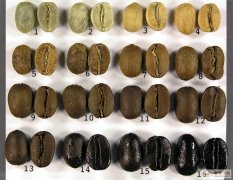
Coffee flavor shifts noticeably depending on how deeply it’s roasted. Lighter roasts tend to be more acidic and vibrant, highlighting fruit, floral, or acidic notes. As roast levels deepen, acidity fades and body increases, with bitterness and chocolatey or caramelized tones becoming more prominent. This is due to chemical changes during the Maillard reaction and prolonged heat exposure.
How to Blend by Roast Level
Blending beans of different roast levels is one of the simplest ways to adjust your coffee’s flavor profile. By combining lighter and darker roasts, you can create a more balanced cup—softening excessive acidity or rounding out extreme bitterness. The trick is in the ratio.
For a balanced roast blend, most roasters recommend mixing three parts of a lighter or medium roast with one part of a darker roast. For example, a blend of 75% light-to-medium roast beans and 25% dark roast tends to produce a well-rounded flavor without overpowering acidity or harsh bitterness. When combining very light and very dark roasts in equal amounts, the darker beans often dominate, skewing the cup. That’s why a ratio like 3/4 light-to-medium and 1/4 dark roast is ideal for achieving balance.
How to Blend by Coffee Origin
Another common blending strategy is combining beans from different origins. Each coffee-growing region produces beans with unique flavor characteristics—Ethiopian beans may offer citrus and floral notes, while Brazilian beans often bring chocolate and nuttiness. When blending by origin, you’re layering these inherent qualities to create complexity.
To create a successful origin blend, make sure all beans are roasted to the same level and have a similar bean size. Inconsistent roast levels can cause certain beans to overpower others, while differing bean sizes may affect even extraction. Keeping these variables controlled allows each origin’s character to shine without clashing.
Popular Coffee Blend Recipes by Flavor Profile
Different roast and origin combinations produce distinct flavor results. Below are several tested blend recipes, with exact percentages for each origin and roast style:
- Mild & Acidic Blend (Medium Roast): Brazil (50%), Colombia (30%), Mandheling (20%)
- Round & Smooth Blend (Medium Roast): Colombia (40%), Brazil (30%), Guatemala (30%)
- Bold & Intense Blend (Dark Roast): Colombia (40%), Brazil (20%), Mandheling (20%), Guatemala (20%)
- Slightly Bitter & Sweet Blend (Medium-Dark Roast): Brazil (40%), Colombia (30%), Mocha (20%), Guatemala (10%)
These recipes show how adjusting both origin and roast level influences the final cup. For instance, adding more Brazilian or Guatemalan beans brings body and cocoa notes, while Colombian beans contribute brightness and balance. Mandheling adds earthiness, and Mocha (Yemen-origin) can introduce winey or spicy complexity.
Frequently Asked Questions
What is the best roast level to blend coffee beans?
The best roast level for blending depends on the flavor profile you want. A common balanced approach is to mix 75% light-to-medium roast beans with 25% dark roast. For a smoother cup, try a 3:1 ratio of lighter to darker roasts—such as 75% medium and 25% dark roast.
Can I blend coffee beans of different roast levels?
Yes, blending beans of different roast levels is a standard practice. To avoid imbalance, use a ratio like 3 parts light-to-medium roast to 1 part dark roast. Avoid equal parts very light and very dark roasts, as the darker beans can overpower the flavor.
How do I create a balanced origin blend?
To blend beans from different origins, ensure all beans are roasted to the same level and have similar bean sizes. This prevents one origin from dominating due to darker roast or larger bean volume. Choose origins with complementary flavor notes to build complexity.
What origin beans work well in a mild acidic blend?
For a mild and acidic blend, try combining Brazilian, Colombian, and Mandheling beans, all roasted to medium level. A sample ratio could be 50% Brazil, 30% Colombia, and 20% Mandheling.
Which roast blend is best for espresso?
For espresso, many roasters prefer medium to dark roast blends. A balanced dark roast blend might include 40% Colombia, 20% Brazil, 20% Mandheling, and 20% Guatemala—all dark roasted. Adjust based on whether you prefer brighter or fuller-bodied espresso.
Recommended FrontStreet Beans for Blending
For hands-on blending, try FrontStreet Coffee’s Specialty Blend (Brazil + Colombia, nutty with chocolate notes), Commercial Blend (Brazil + Colombia + a touch of Robusta, bold and low-acid), or Black Cocoa Blend (Yunnan + Brazil, smooth with ripe plum acidity and cocoa depth). These beans showcase how origin and roast interact—ideal for experimenting with your own roast-level or origin blends. Freshly roasted within 5 days · Orders placed before 17:00 ship the same day · Next-day delivery across most of Guangdong Province.
FrontStreet Coffee is a long-established specialty coffee roaster in Guangzhou China, selling freshly roasted beans from its own farm in Yunnan as well as dozens of carefully selected single-origin beans from around the world for both pour-over and espresso. The products deliver consistently excellent quality and great value, with shipping within 24 hours. Guangzhou's FrontStreet Coffee shop is recommended by many coffee lovers, and the beans are now available online at the Tmall 。
Important Notice :
前街咖啡 FrontStreet Coffee has moved to new addredd:
FrontStreet Coffee Address: 315,Donghua East Road,GuangZhou
Tel:020 38364473