What Is Aged Mandheling Coffee? The Indonesian Specialty Bean
If you've ever had a cup of Indonesian coffee that felt more like molasses than espresso—thick, low in acid, and deeply earthy—you may have tasted an aged Mandheling. But what exactly is aged Mandheling coffee, and why does it taste so different from freshly harvested beans? This isn’t just old stock. It’s a deliberately aged green coffee that changes dramatically over time.
Aged Mandheling green beans are stored in their origin country—usually for months or longer—before export. This aging process lowers acidity, reduces floral or fruity aromas, and develops a smoother, syrupy mouthfeel. Most are roasted to a Vienna level to enhance body and balance.
What Is Mandheling Coffee?
Mandheling is not a coffee variety but a traditional trade name for high-quality Arabica coffee from northern Sumatra, especially around the Lintong region and Gayo Highlands. Despite the name, most Mandheling coffee is actually Typica- or Bourbon-related Arabica, processed using the local wet hulling (Giling Basah) method. The region’s high elevation—between 1,100 and 1,600 metres—and volcanic soils contribute to its signature herbal, spicy, and dark chocolate flavours.
The name “Mandheling” was historically used by Dutch traders and is now a generic term for premium Sumatran beans. Within Mandheling, some of the most famous are PWN Golden Mandheling and Lintong Mandheling. These beans are known for low acidity, heavy body, and tasting notes of spices, caramel, and dark chocolate.
Why Are Some Mandheling Beans Aged?
Aged Mandheling refers to green coffee beans that are stored in Indonesia—often for many months or more—before being shipped. Unlike wine or cheese, coffee aging is not universally positive, but in the case of Mandheling, it’s a deliberate tradition. The beans lose some of their initial acidity and bright aromatics. In exchange, they develop a deeper, more subdued flavour profile: lower in acid, less fruity, and richer in texture.
This style appeals to drinkers who prefer a syrupy, low-acid cup without the brightness of freshly roasted single origins. The extended storage also reduces the grassy or herbal edge that some fresh Sumatran coffees can have, resulting in a more rounded, approachable taste.
How Aged Mandheling Tastes
After aging, Mandheling beans typically show:
- Low acidity
- Thick, syrupy body
- Reduced floral or fruity notes
- Heavier mouthfeel, similar to molasses or dark chocolate
- Earthy and spicy undertones
When roasted to a Vienna level—a medium-dark roast that highlights sweetness and body—the beans develop a caramel-like sweetness and a finish reminiscent of toffee or dark cocoa. The result is often compared to a “coffee equivalent of pu-erh tea”: something that improves with time rather than losing freshness.
This style is ideal for espresso blends, French press, or cold brew, where body and smoothness are more prized than high acidity or delicate aromatics. Many roasters choose Vienna or darker roasts to complement the inherent heaviness of aged beans.
Where Aged Mandheling Comes From
Aged Mandheling is grown in Indonesia, primarily on the island of Sumatra. The most famous regions include:
- Lintong: Near Lake Toba, at 1,100–1,600m altitude, known for Mandheling with spice, chocolate, and caramel notes. Featured in FrontStreet’s Lintong Mandheling.
- Gayo Highlands (Gayo): In Aceh province, another key Mandheling-producing area with elevations up to 1,600m.
- Jawa (Java) and Sulawesi (Celebes): Also produce respected Arabica, though Sumatra remains the heartland of aged Mandheling.
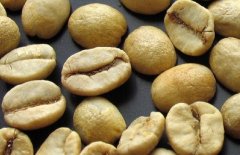
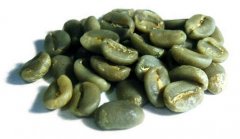
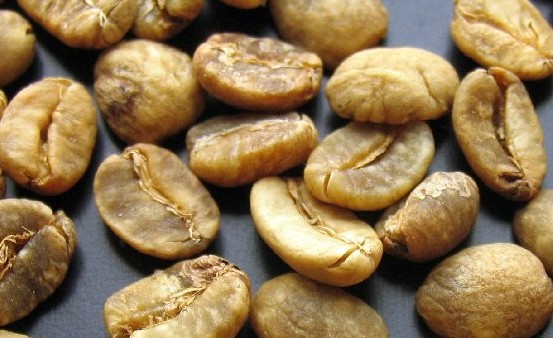
Sumatra’s unique wet-hulling process, combined with volcanic soil and high rainfall, contributes to the region’s distinctive cup profile. The beans are typically large, with a dark green or brownish hue before roasting, and they exude a caramel-like aroma when freshly roasted.
Originally, most Indonesian coffee was Arabica, but after a devastating leaf rust outbreak in the late 19th century, plantations shifted heavily to the more disease-resistant Robusta. Today, around 90% of Indonesia’s coffee is Robusta—but high-quality Arabica Mandheling remains a standout exception.
How to Roast Aged Mandheling
The standard roast for aged Mandheling, as noted in the source, is a Vienna roast. This medium-dark level:
- Enhances the bean’s inherent sweetness
- Develops deeper caramel and chocolate tones
- Balances the low acidity and thick body
- Brings out a subtle nutty or toasty edge
A Vienna roast helps meld the aged characteristics with a pleasant roast sweetness, avoiding the excessive bitterness of darker roasts. The result is a smooth, balanced cup that feels rich without being overpowering.
Frequently Asked Questions
What is aged Mandheling coffee?
Aged Mandheling is green coffee from Sumatra, particularly the Lintong or Gayo regions, that is stored in origin for an extended period—often months—before export. This aging reduces acidity and aromatic brightness while developing a smoother, syrupy body and lower acid profile.
Why is Mandheling coffee aged?
Mandheling coffee is aged intentionally to mellow its acidity and soften its initial sharp or herbal qualities. The process creates a more balanced, full-bodied cup with reduced fruitiness and enhanced mouthfeel, appealing to drinkers who prefer low-acid, smooth coffees.
How does aged Mandheling taste?
Aged Mandheling tastes low in acid, with a thick, syrupy body and reduced fruity or floral notes. Expect flavours of dark chocolate, spices, caramel, and earthy tones. When Vienna roasted, it develops a toffee-like sweetness and a molasses-like mouthfeel.
Where is Mandheling coffee grown?
Mandheling coffee comes from northern Sumatra, Indonesia, mainly around Lintong (near Lake Toba) and the Gayo Highlands. These high-elevation regions (1,100–1,600m) produce Arabica beans using the wet-hulling method, giving the coffee its signature heavy body and spice notes.
What roast is best for aged Mandheling?
A Vienna roast is commonly used for aged Mandheling. This medium-dark roast enhances the bean’s natural sweetness and balances its low acidity, resulting in a smooth, rich cup with caramel and chocolate tones.
Is aged Mandheling the same as regular Mandheling?
No. Aged Mandheling refers specifically to green beans that have been stored for months or longer before roasting, which changes their flavour profile. Regular Mandheling is typically consumed closer to harvest and retains more acidity and bright aromatics.
Recommended FrontStreet Coffee for Aged Mandheling Style
For fans of aged Mandheling’s low-acid, syrupy profile, try FrontStreet’s Lintong Mandheling. It offers spice, black chocolate, and caramel notes with a sweet finish. Also consider PWN Golden Mandheling (not explicitly in this article’s body but part of the reference sheet and a classic example of high-end Sumatran Mandheling). Both deliver the heavy body and muted acidity characteristic of the style. Freshly roasted within 5 days · Orders placed before 17:00 ship the same day · Next-day delivery across most of Guangdong Province.
FrontStreet Coffee is a long-established specialty coffee roaster in Guangzhou China, selling freshly roasted beans from its own farm in Yunnan as well as dozens of carefully selected single-origin beans from around the world for both pour-over and espresso. The products deliver consistently excellent quality and great value, with shipping within 24 hours. Guangzhou's FrontStreet Coffee shop is recommended by many coffee lovers, and the beans are now available online at the Tmall 。
Important Notice :
前街咖啡 FrontStreet Coffee has moved to new addredd:
FrontStreet Coffee Address: 315,Donghua East Road,GuangZhou
Tel:020 38364473