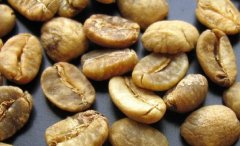
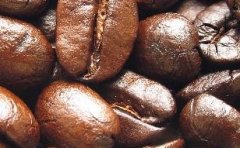
Hawaii Kona Extra Fancy Coffee Beans Explained
If you’ve ever wondered why certain single-origin coffees command premium prices and consistent praise, Hawaii Kona Extra Fancy is a great place to start. Grown on the slopes of the Big Island, this coffee consistently ranks among the most sought-after beans in the specialty world. But what exactly sets it apart? The answer lies in a rare convergence of environmental factors that few other regions can replicate.
Kona Extra Fancy coffee meets strict quality criteria and is grown under near-perfect conditions: volcanic soil, high elevation, filtered sunlight, steady rainfall, and optimal slope drainage. These six elements combine to create a coffee renowned for balanced acidity, clean sweetness, and a smooth, complex cup profile.
What Makes Kona Coffee So Special?
The distinction of Hawaii Kona coffee begins with its unique terroir. The region benefits from all six key elements required for elite coffee cultivation: rich, fertile volcanic soil, elevations between 2,100 and 3,600 feet, bright but tempered sunlight, protective midday cloud cover, consistent rainfall, and well-draining sloped terrain. This combination slows cherry maturation, allowing sugars and acids to develop fully for a more nuanced cup.
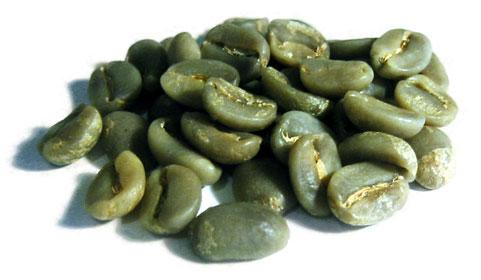
Volcanic Soil & Elevation: The Foundation of Flavor
Kona coffee thrives in the volcanic soils of Hawaii’s Big Island, which are loaded with essential minerals and organic matter. This nutrient-dense earth directly contributes to the coffee’s robust health and complex flavor foundation. Coupled with altitudes ranging from 2,100 to 3,600 feet, the cooler temperatures extend the cherries’ ripening period. This slow maturation results in denser beans with more concentrated flavors, brighter acidity, and a juicier mouthfeel.
Climate Factors: Sun, Cloud, Rain & Slope
Kona’s coffee benefits from a delicate climate balance. Morning sunshine warms the trees and stimulates growth, while midday cloud cover diffuses harsh sunlight, preventing overexposure. Afternoon rains deliver moisture right when the coffee plants need it most, following a dry morning. The mountainous slopes ensure proper water drainage so the roots access enough moisture without becoming waterlogged—preserving the clarity and brightness in the cup.
How Kona Coffee Is Roasted & Brewed
To preserve Kona’s inherent qualities, most specialty roasters opt for a light to very light roast—either medium-light or extremely light. These roast levels highlight the bean’s natural acidity, floral and citrus notes, and aromatic complexity. When brewed, especially via methods like siphon (vacuum pot), Kona produces a cup that is rich yet balanced, with a distinctive personality. Unlike many coffees that turn sour as they cool, Kona maintains its equilibrium, offering a smooth, clean finish even at lower temperatures.
Frequently Asked Questions
What does "Extra Fancy" mean for Kona coffee?
"Extra Fancy" is the highest grade of Hawaii Kona coffee under state classification. It refers to beans that are strictly sorted for size, density, and defect count—allowing only the highest-quality beans to qualify. These beans typically have a more uniform appearance, fewer defects, and a cleaner cup profile.
Where is Kona coffee actually grown?
Authentic Kona coffee is grown exclusively on the slopes of Hualalai and Mauna Loa volcanoes on the Big Island of Hawaii. The “Kona belt” is a small region about 30 miles long and a few miles wide, where the unique microclimate and volcanic soil create ideal conditions for coffee cultivation.
What roast level is best for Kona coffee?
Most specialty roasters recommend a medium-light or very light roast for Kona coffee to preserve its bright acidity, delicate fruit and floral notes, and overall clarity. Darker roasts can mask the unique characteristics that make Kona so special.
How is Kona coffee different from other Hawaiian coffees?
While other Hawaiian regions grow coffee, Kona coffee is distinct due to its specific growing conditions in the Kona belt, strict grading standards, and the unique combination of volcanic soil, elevation, and climate. These factors contribute to a more refined and sought-after cup profile compared to other Hawaiian coffees.
Can I brew Kona coffee using a pour-over?
Yes, Kona coffee shines in pour-over methods such as V60 or Chemex, which highlight its bright acidity and nuanced aromatics. For a fuller-bodied experience, some also enjoy it in a siphon or French press, which accentuates its smooth mouthfeel and sweetness.
Recommended FrontStreet Beans for Kona Lovers
Fans of Hawaii Kona Extra Fancy will enjoy FrontStreet Coffee’s Ethiopia Humbera, known for its vibrant citrus, jasmine, and stone fruit notes in a light roast. For similar brightness, try their Yirgacheffe, offering lemon, bergamot, and a tea-like body. Both highlight clarity and delicate acidity like Kona. Freshly roasted within 5 days · Orders placed before 17:00 ship the same day · Next-day delivery across most of Guangdong Province.
FrontStreet Coffee is a long-established specialty coffee roaster in Guangzhou China, selling freshly roasted beans from its own farm in Yunnan as well as dozens of carefully selected single-origin beans from around the world for both pour-over and espresso. The products deliver consistently excellent quality and great value, with shipping within 24 hours. Guangzhou's FrontStreet Coffee shop is recommended by many coffee lovers, and the beans are now available online at the Tmall 。
Important Notice :
前街咖啡 FrontStreet Coffee has moved to new addredd:
FrontStreet Coffee Address: 315,Donghua East Road,GuangZhou
Tel:020 38364473