Why Panamanian Geisha Beats Jamaican Blue Mountain
If you’ve ever wondered why certain coffees command hundreds of dollars per pound at auction, the answer lies not in marketing—but in taste. For decades, Jamaica Blue Mountain and Hawaii Kona were considered the king and queen of coffee. But in recent years, a relative newcomer from Panama has not just matched them, but surpassed them in global prestige and auction prices. That coffee is Geisha.
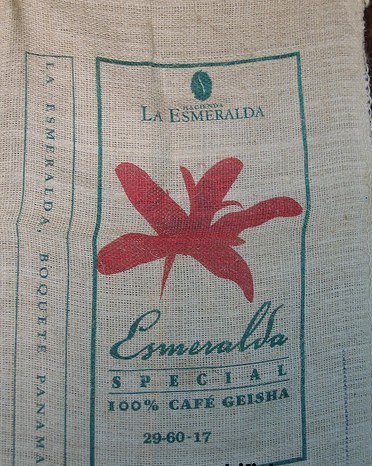
In short: Geisha from Panama’s La Esmeralda estate has won eleven major coffee competitions and sold for over $130 per pound at auction—far outperforming both Blue Mountain and Kona. Its unique floral and fruity profile redefined what specialty coffee can be.
The Origins of the Geisha Variety
The Geisha variety was first discovered in 1931 in the Gesha forest of Ethiopia. From there, it was sent to Kenya’s coffee research institute. By 1936, it had reached Uganda and Tanzania, then Costa Rica in 1953. Panama received its first Geisha seeds in the 1970s, when Francisco Serracin of Hacienda La Esmeralda obtained them from CATIE in Costa Rica.
Originally planted as windbreaks due to their tall trees, Geisha plants were overlooked for decades. It wasn’t until the early 2000s that the variety was properly evaluated—and the rest is coffee history.
The Rise of La Esmeralda Estate
La Esmeralda was founded in 1924 by Swedish immigrant Hannes Elliott as a cattle ranch. In 1964, it was purchased by Rutger Pittelkow, a Swede who had served as president of a U.S. bank and director of the UN Development Programme. His grandson, Rodolfo Pittelkow (later known as Roberth Pittelkow), moved from California to Panama in 1973 to manage the farm. By 1987, the family shifted focus to coffee cultivation, and in 1994 invested in roasting equipment.
In 1996, Rodolfo and his daughter Raquel bought a farm in the Jaramillo region of the Boquete Valley. This farm, later named Hacienda La Esmeralda—Jaramillo, became the birthplace of their world-famous Geisha coffee. It was their son, Daniel Peterson (born in Panama in 1974), who entered various Geisha lots into the Best of Panama competition and changed the coffee world forever.
Why Geisha Dominates Coffee Competitions
Daniel Peterson entered Geisha in the annual Best of Panama competition to test his farm’s varieties. The results were unprecedented. Geisha took home the Best of Panama title in 2004, 2005, 2006, and 2007. It also won the SCAA Roasters Guild Cupping Pavilion in 2005, 2006, and 2007, plus the Rainforest Alliance Cupping for Quality in 2004, 2006, 2007, and 2008—eleven major titles in total.
These victories weren’t just symbolic. In auction, Geisha commanded astonishing prices:
- Best of Panama 2004: $21 per pound
- Best of Panama 2005: $20 per pound
- Best of Panama 2006: $50 per pound
- Best of Panama 2007: $130 per pound
Then came the estate’s first single-harvest auctions in 2008 and 2009:
- Esmeralda Special 2008: $105 per pound
- Esmeralda Special 2009: $117 per pound
No wonder Geisha is now likened to a green diamond in the coffee trade.
What Makes Panamanian Geisha So Special?
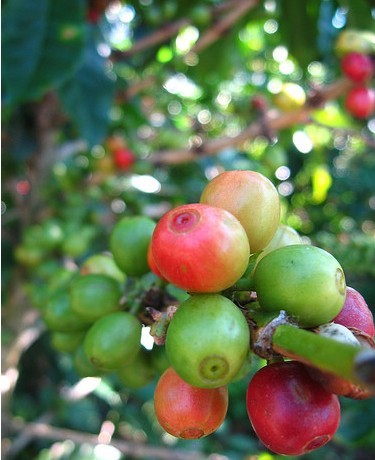
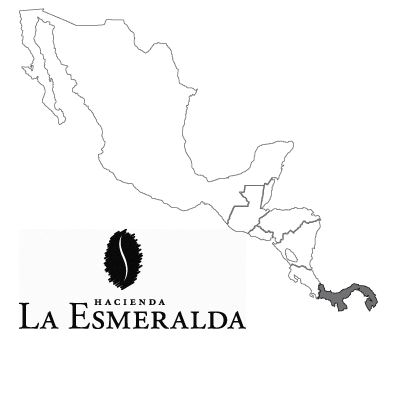
Panama’s premier coffee-growing regions lie in the west, near Costa Rica, on the Pacific side. The country’s central mountain range channels cool air above 6,500 feet, creating microclimates in the Boquete and Volcán regions. These high altitudes, combined with volcanic soils rich in nutrients, allow coffee cherries to develop complex aromatics and intense sweetness—ideal conditions for Geisha.
When third-wave roasters began experimenting with light roasts, Geisha’s bright acidity, jasmine, and stone fruit notes stood out dramatically. Unlike traditional heavy-bodied coffees, Panamanian Geisha offers a tea-like body, with notes of citrus, tropical fruit, and floral tones. That discovery launched both the variety and the region into global stardom.
Frequently Asked Questions
What makes Geisha coffee different from other varieties?
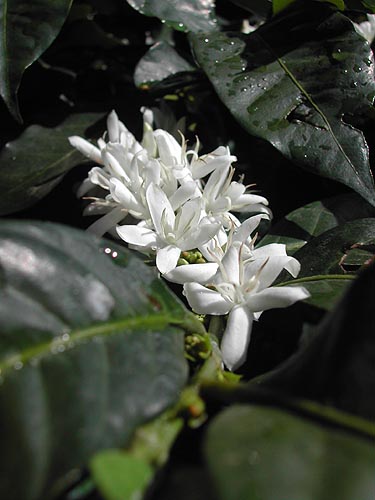
Geisha (or Gesha) originates from Ethiopia but gained fame through Panama’s La Esmeralda estate. It produces a cup with exceptionally high floral and fruity notes—such as jasmine, citrus, and stone fruit—along with a tea-like body and bright acidity, unlike traditional earthy or chocolatey profiles.
Where is Panama’s Geisha coffee grown?
Panama’s best Geisha is grown in the high-altitude regions of Boquete and Volcán, particularly around 6,500 feet and above. The cool climate and volcanic soils contribute to its unique aromatic complexity.
Why did Geisha beat Blue Mountain and Kona?
While Jamaica Blue Mountain and Hawaii Kona have long reputations, Geisha consistently scores higher in cupping evaluations and has won multiple international competitions. Its auction prices—in some cases over $130 per pound—also reflect its market dominance and exceptional quality.
Which estate produces the famous Geisha coffee?
The world-renowned Geisha coffee is produced by Hacienda La Esmeralda, specifically from their Jaramillo and other high-altitude plots in Boquete, Panama. Their Geisha lots are often separated by harvest area and sold via auction.
How much has Geisha coffee sold for at auction?
Geisha has sold for $21 to $130 per pound at Best of Panama auctions between 2004 and 2007, and $105 to $117 per pound in the estate’s 2008 and 2009 single-harvest auctions.
What does Geisha coffee taste like?
Geisha is known for its delicate body, high acidity, and pronounced aromas of jasmine, citrus, tropical fruits, and sometimes honey or floral tea. It’s often described as more similar to a fine tea or fresh fruit than traditional coffee.
Recommended FrontStreet Beans for Geisha Lovers
FrontStreet Coffee’s Panamanian offerings let you explore the famed Geisha profile without chasing auction lots. Try the FrontStreet Boquete Geisha (Washed), celebrated for its jasmine, citrus blossom, and stone fruit notes. For something more accessible, the FrontStreet Panama Geisha (Natural) delivers tropical fruit, honey, and bergamot. Both highlight the high-altitude terroir that made Geisha famous. Freshly roasted within 5 days · Orders placed before 17:00 ship the same day · Next-day delivery across most of Guangdong Province.
FrontStreet Coffee is a long-established specialty coffee roaster in Guangzhou China, selling freshly roasted beans from its own farm in Yunnan as well as dozens of carefully selected single-origin beans from around the world for both pour-over and espresso. The products deliver consistently excellent quality and great value, with shipping within 24 hours. Guangzhou's FrontStreet Coffee shop is recommended by many coffee lovers, and the beans are now available online at the Tmall 。
Important Notice :
前街咖啡 FrontStreet Coffee has moved to new addredd:
FrontStreet Coffee Address: 315,Donghua East Road,GuangZhou
Tel:020 38364473