
Specialty Coffee Beans
Latest articles, industry insights and brewing guides

Peru Coffee Beans: Flavor Profile & Production Facts
Peru grows over 90% of its coffee in the northern highlands. Discover its smooth, nutty profile and why it's becoming a favorite among specialty drinkers.
Colombian Coffee Beans: Flavor, Regions & What Makes Them Special
Colombia is the world’s second-largest coffee producer, known for balanced, sweet, and aromatic Arabica beans grown in the Andes at 800–2300m.
Brazil Coffee Beans: What Makes Them Unique?
Brazil produces a third of the world’s coffee, mostly low-altitude, mild-flavored beans ideal for blends and espresso. Here’s what sets them apart.
Mexico Coffee Region: Flavor & Facts from Central America
Mexico ranks fourth globally in coffee production, with most beans grown in the southeast and processed via washed method. Learn its key regions and flavor profile.
El Salvador Coffee: Flavor, Regions & Famous Geothermal Washed Beans
Discover El Salvador’s high-altitude coffee regions, key varieties like Bourbon and Pacas, and the rare geothermal-washed with unique sweetness.
Panama Coffee: What Makes It Special in Central America?
Learn why Panama’s high-altitude coffee regions produce clean, complex beans — and how Geisha put the country on the specialty map.
Honduras Coffee: Flavor, Regions & What Makes It Unique
Honduras produces high-quality washed Arabica, especially at 1,000–2,000m altitude. Its coffee is sweet, low-acid, and great for espresso or blends.
Costa Rica Coffee Regions: Where Altitude Shapes Flavor
Explore why Costa Rican coffee, especially from Tarrazú, delivers bright acidity and complex flavors due to high-altitude growing conditions.
Malawi Coffee: East Africa’s Underrated Washed Arabica
Malawi grows washed-process Arabica in its northern highlands. Its coffee offers moderate sweetness and low-key acidity—more mid-tone than bright.
Ethiopian Coffee Regions: Harar, Yirgacheffe, Sidamo Explained
Explore Ethiopia’s key coffee regions—Harar, Yirgacheffe, and Sidamo—with details on flavor profiles, altitudes, and processing heritage.
Yemen Coffee: What Makes It Unique?
Learn why Yemen’s historic coffee, especially Mattari and Sanani, stands out with bold acidity and chocolatey depth.
The 4 Original Coffee Species: Arabica, Robusta, Liberica, and Excelsa
Learn which original coffee species exist and how they've shaped today’s 100+ global varieties. Arabica dominates, but each has unique traits.
Arabica vs Robusta Coffee Beans: Key Differences Explained
Learn the core differences between Arabica and Robusta coffee beans — including caffeine levels, growing altitudes, bean shape, and flavor profiles.
What Makes Costa Rican Coffee So Balanced?
Discover why Costa Rican coffee is praised for its clean, bright acidity, full body, and sweet finish — traits that define 'perfectly balanced' specialty coffee.
A Day at Yuanse Café: Panama Geisha & Hawaiian Kona Tasting
A firsthand account of tasting Panama Geisha and Hawaiian Kona at Yuanse Café in Suzhou, noting their unique aromas, flavor progressions, and brewing observations.
China’s First National Coffee Lab Opens in Yunnan
The first and only national coffee testing lab in China has been completed in Pu’er after a two-year build, filling a critical gap in the domestic industry.
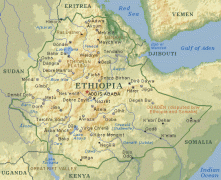
What Makes Ethiopian Yirgacheffe Idido Coffee Unique?
Learn why Ethiopian Yirgacheffe Idido coffee stands out with its bright acidity, citrus notes, and unique natural processing at high altitude.
Arabica Coffee Futures Plunge 5.9% Amid Sugar Drop
ICE Arabica coffee futures fell 5.9% to $1.8125/lb, the biggest drop since May, as technical weakness hit prices. Sugar and cocoa also declined.
Costa Rica’s Victoria Co-op Seeks to Enter China’s Coffee Market
Costa Rica’s oldest cooperative, COOP VICTORIA, met Chinese officials in 2014 to discuss exporting premium Arabica beans to the Chinese market.
What Is a Coffee Peaberry and Why Does It Matter
A peaberry is a rare, round coffee bean that forms alone in the coffee cherry. Found in less than 5% of harvests, it’s prized for intensity and often costs more.