
Specialty Coffee Beans
Latest articles, industry insights and brewing guides

What Makes Yunnan Coffee Beans So Unique?
Yunnan coffee is known for its small, balanced beans and distinct regional taste. Learn why this Chinese-origin coffee has a 'mysterious and special' flavor profile.
What Is Yunnan Peaberry Coffee and Why Is It Special?
Yunnan peaberry coffee forms in less than 5% of coffee cherries. These single round beans develop extra density, leading to richer flavor. Find out where it grows and how it’s roasted.
How to Tell Real vs Fake Jamaica Blue Mountain Coffee
Learn the real signs of authentic Blue Mountain coffee — from green bean shape to cup flavor — and spot imposters instantly.
How Jamaica Blue Mountain Coffee Is Grown
From volcanic soil to handpicked beans, here’s how Jamaica Blue Mountain coffee is grown and processed — step by step.
How to Choose Better Coffee Beans by Appearance
Learn how to assess coffee bean quality by color, smell, sound, shape, and freshness—key visual and sensory cues for better brewing.
How Jamaica Grades Its Blue Mountain Coffee Beans
Jamaica legally defines Blue Mountain Coffee and grades it into three sizes: No.1 (17–18 mesh), No.2 (16 mesh), and No.3 (15 mesh). All share the same cup profile.
Yunnan Coffee Beans and the Puppeteers Who Love Them
Explore the unique flavors of Yunnan-grown coffee beans and the region’s terroir that makes them stand out. Includes recommended FrontStreet beans.
What Makes Jamaican Blue Mountain Coffee So Special?
Learn why Jamaican Blue Mountain coffee is the world’s most expensive, from its limited production to strict certification and unique growing conditions.
A Coffee Journey Through Yunnan
Explore Yunnan’s coffee story—from the first French-imported Typica in 1904 to today’s leading washed and natural Yunnan Arabica offerings.
How Brazil Grades Its Coffee Beans
Brazil uses a unique cupping-based grading system, not altitude or bean size, to classify its coffee. Here’s how their 5-tier system works.
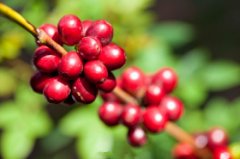
What Does a Coffee Cherry Actually Look Like?
Most people only see roasted beans. But fresh coffee cherries—typically holding two beans—are bright red fruits that start the coffee journey.
High-Yield, High-Quality Colombian Coffee Beans Explained
Discover why Colombian coffee offers both volume and excellence, with key details on its regions, grades, and processing methods.
How Colombia Grades Its Coffee Beans by Size
Colombia grades coffee beans based solely on size—not flavor. Supremo means large, Excelso smaller, but neither guarantees quality.
What Makes Jamaican Blue Mountain Coffee So Special?
Learn why Jamaican Blue Mountain is rare, expensive, and prized for its balance—with facts on origin, yield, flavor, and how to brew it right.
How Jamaica Blue Mountain Coffee Is Graded by Size and Defects
Jamaica Blue Mountain coffee is graded by bean size and defect rate—even if grown in the legal zone. Here’s how No.1 to PB grades work.
What Makes Yirgacheffe Coffee So Distinctive
Discover the unique flavor profile and brewing techniques behind Ethiopia’s famed Yirgacheffe coffee, known for its bright acidity and floral notes.
Why Kopi Luwak Is the World’s Most Expensive Coffee Bean
At nearly $1,000 per kilo, Kopi Luwak costs far more than Blue Mountain. Here’s why this rare civet-processed coffee commands such a high price.
What Makes Mandheling Coffee Unique? Sip Sumatra’s Bold Flavor
Explore the bold, earthy profile of Mandheling coffee from Sumatra, known for its thick body, herbal notes, and iconic wet-hulled processing.
What Makes Sumatra Mandheling Coffee Unique?
Explore the bold, earthy profile of Mandheling coffee, grown in Indonesia’s high-altitude regions using unique processing methods.
What Makes Yirgacheffe Coffee So Delicious?
Discover the bright, floral flavors of Yirgacheffe coffee and how to brew it for the best cup at home.