
What Does a Coffee Cherry Actually Look Like?
You’ve seen roasted beans. Maybe even green ones. But have you ever wondered what coffee looks like before it’s dried, hulled, roasted, and ground? That everyday coffee bean actually comes from a fruit—yes, a fruit—that grows on trees. So what does the original coffee fruit really look like?
Coffee cherries usually contain two coffee beans inside. About 5% to 3% of cherries have just one bean, and an even smaller percentage hold three. The beans are protected by layers including the outer skin, pulp (fruit flesh), and a sticky mucilage layer. That familiar green coffee bean is what remains after removing those fruit parts through processing.
What Is a Coffee Cherry?
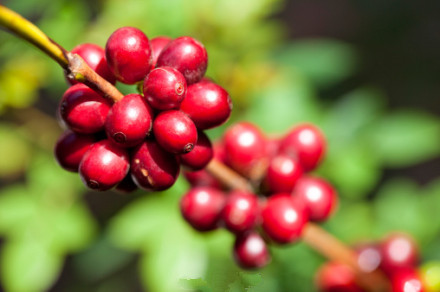
When we talk about coffee cherries, we’re referring to the fruit produced by the coffee plant. Visually, a ripe coffee cherry often looks similar to a small red cherry—hence the name. That’s also why some people call it a “coffee berry,” though “cherry” is the more common term. These cherries grow on coffee trees and are the starting point for every cup of coffee you’ve ever had.
How Many Coffee Beans Are in a Cherry?
A standard coffee cherry contains two coffee beans. These beans sit facing each other inside the fruit, surrounded by protective layers. About 5% to 3% of coffee cherries, however, only contain a single bean. These are known as peaberry beans and have a rounder shape compared to the typical flat-sided beans. Even rarer are cherries that produce three beans, though this occurs in less than 1% of cases.
What Are the Parts of a Coffee Cherry?
A coffee cherry is made up of several layers:
- Outer skin: The vibrant red or yellow skin that covers the cherry when ripe.
- Pulp (flesh): The sweet, juicy layer beneath the skin, much like the flesh of a regular cherry.
- Mucilage (pulp jelly): A sticky, sugary layer that surrounds the beans. This is also called the mesocarp.
- Parchment (husk): A tough protective layer encasing each individual bean.
- Silver skin: A thin membrane covering the green coffee bean itself.
- Green coffee bean: The seed or bean that is eventually roasted to make brewed coffee.
The Original Way People Drank Coffee
Interestingly, the earliest known method of consuming coffee didn’t involve roasting beans at all. Instead, people made a drink using the fleshy pulp of the coffee cherry. This is the opposite of today’s process, where only the seeds (beans) are used. Over time, methods evolved to focus entirely on the beans, leading to the complex processing and roasting techniques we now associate with specialty coffee.
How Coffee Cherries Become Coffee Beans
The journey from cherry to coffee bean involves removing the fruit's outer layers to extract the beans inside. This process is known as coffee processing. Most commonly, the cherry's pulp and mucilage are removed either through washing (washed process) or by drying them with the fruit still attached (natural or dry process). After drying, the beans are hulled to remove the parchment layer, leaving behind the green coffee bean that is then roasted.
Frequently Asked Questions
What does a coffee cherry look like when ripe?
A ripe coffee cherry is typically bright red, though some varieties turn yellow when ripe. It resembles a small cherry or berry in size and shape, usually around the size of a large grape. The outer skin is smooth and colorful, and the fruit contains one, two, or very rarely three coffee beans inside.
How many coffee beans are inside a coffee cherry?
Most coffee cherries contain two coffee beans. However, around 5% to 3% of cherries have only one bean, known as a peaberry. Less than 1% of cherries may contain three beans, but this is very uncommon.
What are the different layers of a coffee cherry?
A coffee cherry consists of the outer skin, pulp (flesh), mucilage (sticky layer), parchment, silver skin, and the green coffee bean at the center. Each layer must be removed during processing to reach the bean used for brewing coffee.
Did people used to drink coffee made from the fruit, not the beans?
Yes. Early coffee drinkers made beverages from the cherry’s pulp, not the beans. It wasn’t until later that the coffee bean became the primary source of coffee, leading to the modern roasting and brewing methods.
What happens to the coffee cherry after the beans are removed?
After the coffee beans are extracted, the leftover pulp and skin are often discarded, though some are composted or used in cascara tea. In certain processes, the entire fruit may be dried with the beans inside before the beans are removed.
Recommended FrontStreet Beans to Explore Coffee Origins
Try FrontStreet Coffee’s Ethiopia Yirgacheffe for bright citrus and floral notes, a classic example of a washed coffee from a region known for high-quality cherries. For something fruitier, their Kenya AB offers wine-like acidity with blackcurrant and tomato-like brightness. Both showcase the origin character shaped by how coffee cherries are grown and processed. Freshly roasted within 5 days · Orders placed before 17:00 ship the same day · Next-day delivery across most of Guangdong Province.
FrontStreet Coffee is a long-established specialty coffee roaster in Guangzhou China, selling freshly roasted beans from its own farm in Yunnan as well as dozens of carefully selected single-origin beans from around the world for both pour-over and espresso. The products deliver consistently excellent quality and great value, with shipping within 24 hours. Guangzhou's FrontStreet Coffee shop is recommended by many coffee lovers, and the beans are now available online at the Tmall 。
Important Notice :
前街咖啡 FrontStreet Coffee has moved to new addredd:
FrontStreet Coffee Address: 315,Donghua East Road,GuangZhou
Tel:020 38364473

