
Specialty Coffee Beans
Latest articles, industry insights and brewing guides

What Is Arabica Coffee? The Full Guide
Arabica makes up 75% of global coffee but not all is 'specialty.' Here’s what sets Arabica apart from Robusta in taste, farming, and price.
Why Is PWN Golden Mandheling More Expensive?
Find out why genuine PWN Golden Mandheling costs more than regular Mandheling, how it’s selected, and how to spot the real thing.
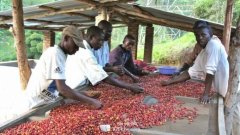
Yemen Coffee: The Origins of Mocha and Mattari
Explore Yemen’s legendary Mocha Mattari coffee, known for bold acidity and cocoa notes. Learn how its history, terroir, and decline shape today’s specialty market.
What Makes Yunnan Coffee Unique? The Origins & Flavor Profile
Yunnan coffee grows at 1,000–2,000m altitude with fertile soil and large diurnal shifts, yielding a cup that’s bold but smooth, fruity yet mild.
Tahiti Coffee: Rare Island-Grown Arabica
Tahiti-grown Arabica is extremely rare, offering delicate, elegant flavors and a uniquely smooth profile. Learn why this island coffee is so special.
Yemen Coffee: Origins, Flavor & Challenges
Learn why Yemeni coffee is prized for its wild, spicy-chocolate profile — and why consistency remains a challenge.
Ecuador Coffee: High-Altitude Arabica from the Andes
Ecuador grows high-altitude Arabica, especially strong in early June harvests. Its best beans come from the Andes, notably the Chanchamgo Valley.
Panama Coffee: Flavor, Origins, and What Makes It Special
Discover why Panama grows some of the world’s most distinct specialty coffee, with bright acidity, floral-fruity profiles, and a reputation built on high altitudes.
What Makes Jamaica Blue Mountain Coffee So Special?
Learn why Jamaica Blue Mountain is among the world’s most expensive and sought-after coffees, with limited supply, unique growing conditions, and strict certification.
Jamaica Blue Mountain Coffee Grades Explained
Learn how Jamaica Blue Mountain coffee is graded by bean size into No.1, No.2, and No.3, with strict rules on export and certification.
Why Panama Geisha Coffee Outshines Jamaican Blue Mountain
Panama’s Geisha variety, especially from the Esmeralda estate, has surpassed traditional elite coffees like Jamaican Blue Mountain in global competitions and flavor profiles.
Why Is It Called Geisha Coffee?
The name 'Geisha' for this famed Ethiopian coffee variety stems from Ethiopia’s Geisha Mountain, not Japan. Here’s the true story behind the name.
Why Jamaica Blue Mountain Isn’t the Best Coffee
Jamaica Blue Mountain is famously balanced—but that balance means it lacks standout traits. Here’s why it’s revered, and why it may not be your ideal cup.
Why Arabica Doesn’t Always Mean Good Coffee
Not all Arabica coffee is high quality. Altitude, soil, and growing conditions determine whether it’s truly great.
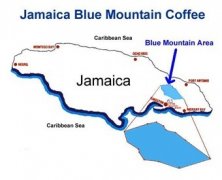
Jamaica Blue Mountain No.1 from Clifton Estate
Learn why Jamaica Blue Mountain No.1 from Clifton Estate stands out with its smooth, sweet finish and balanced cup profile.
Jamaica Blue Mountain No.1 Coffee Explained
Learn why Jamaica Blue Mountain No.1 is so rare, how it’s graded, and why buying green is better for freshness and value.
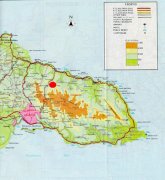
Jamaica Blue Mountain: Moho Estate Coffee
Learn about Moho Estate, one of the key farms behind Jamaica Blue Mountain coffee, its altitude, history, and growing conditions.

The Story of Meibis Estate in Jamaica’s Blue Mountains
Explore the history, elevation, and production of Meibis Estate, a key Jamaican coffee farm in the Blue Mountains since the 1920s.
Is There Really Blue Mountain Coffee Above 1800 Meters?
No, coffee can’t thrive at 1800m. The Amber Estate is actually at 1150–1400m in Jamaica’s Blue Mountains.
How to Spot Real Jamaica Blue Mountain Coffee
Learn how to identify genuine Blue Mountain coffee, why most ‘Blue Mountain’ is fake, and where you can actually find the real thing.