
Why Arabica Doesn’t Always Mean Good Coffee
Just because your coffee bag says ‘100% Arabica’ doesn’t mean it’s good. In fact, most of the world’s Arabica coffee is grown in low-altitude, mass-market conditions—and tastes like it. If you’ve ever sipped a bitter, flat cup labeled ‘Arabica’ and wondered what went wrong, you’re not alone. The truth is, the Arabica label alone tells you very little about how your coffee will actually taste.
The short answer? Not all Arabica is created equal. While Arabica makes up 65% of global coffee production, only a small fraction meets the strict altitude, climate, and processing standards required for truly great specialty coffee. Most commercial Arabica is grown on flat land at low elevations—conditions that produce bland, low-quality beans.
What Is the Coffee Zone?
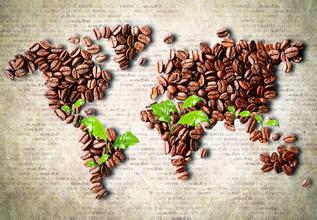
Coffee grows best in a narrow band around the Earth known as the Coffee Zone—roughly between the Tropic of Cancer and the Tropic of Capricorn. This region offers the right balance of heat and rainfall for coffee plants to thrive. But within this zone, not all environments are equal. The finest Arabica coffee requires more than just tropical warmth.
Why Altitude, Soil, and Sunlight Matter
High-quality Arabica coffee typically grows at higher altitudes, where cooler temperatures slow the fruit’s ripening process. This slower development allows the coffee cherry to develop more complex sugars and acids. The best soils are volcanic—rich in nutrients and excellent at draining water. Additionally, coffee plants do best with morning sun and afternoon shade or cloud cover. If trees aren’t available for natural shade, the growing area should experience regular afternoon fog. These factors are not optional; they directly influence the coffee’s flavor potential.
Why Most Arabica Isn’t ‘Specialty’
Even though Arabica dominates global production, much of it is grown in flat, low-altitude regions—like the vast plains of Brazil. These areas lack the elevation and microclimates needed to develop the delicate flavors associated with specialty coffee. As a result, most Brazilian Arabica is used in instant or canned coffee, not premium brewed coffee. Just being Arabica isn’t enough to guarantee quality.
Examples of Real High-Quality Arabica
Different Arabica varieties, grown in ideal conditions, produce wildly different results. Here are a few real-world examples:
- Yirgacheffe (Ethiopia): Grown at high elevation, Ethiopian Yirgacheffe (specifically from the Gedeb cooperative) shows bright citrus, floral notes, and sweet white grape acidity. This is what high-altitude, carefully processed Arabica can deliver.
- Typica (Jamaica Blue Mountain No.1): Grown in Jamaica’s Blue Mountains—famous for volcanic soil and cool, misty conditions—this classic Typica offers balance, smooth texture, and flavors of chocolate, almonds, and cream.
- Geisha (Panama): Originally from Ethiopia but now famous in Panama, Geisha thrives at extreme elevations. It’s celebrated for its jasmine, stone fruit, and tropical sweetness.
- Yellow Bourbon (Brazil): A rare mutation of Bourbon that ripens to yellow instead of red. When grown at high altitude, like in Brazil’s Queen Manor, it produces creamy, caramel, and sweet sugarcane notes with a soft acidity.
What Really Determines Coffee Quality?
The quality of Arabica coffee depends on a combination of factors: the variety (e.g., Typica, Bourbon, Geisha), the altitude (higher is usually better), the soil (volcanic is ideal), the climate (cool mornings, shaded afternoons or fog), and the processing methods. All of these elements work together to shape the flavor, acidity, aroma, and body of the final cup. No single factor guarantees quality—but without most of them, you’re unlikely to get a great cup.
Frequently Asked Questions
Does Arabica always taste better than Robusta?
Generally, yes—but not always. Arabica has a sweeter, more complex flavor profile and lower caffeine content than Robusta, which tends to be harsher and more bitter. However, low-quality Arabica (especially from low altitudes) can taste worse than well-grown Robusta. The variety, growing conditions, and processing matter more than the species alone.
Why is altitude so important for Arabica coffee?
Higher altitudes have cooler temperatures, which slow the growth of coffee cherries. This extended ripening period allows the cherries to develop more sugars and acids, leading to a more complex and flavorful cup. Most specialty-grade Arabica is grown at elevations above 1,200 meters.
Is Brazilian coffee always low quality?
No. While much of Brazil’s coffee is grown at low altitudes for mass production, the country also produces high-quality Arabica at higher elevations. However, the majority of Brazilian output is used in commercial blends, not specialty coffee.
Can I find great Arabica coffee at the supermarket?
Usually not. Most supermarket coffee labeled ‘Arabica’ is blended from low-altitude beans and roasted for mass appeal. For truly high-quality Arabica, look for single-origin beans from known high-altitude regions, or buy from specialty roasters who detail growing conditions and processing.
What’s the difference between specialty and commercial Arabica?
Specialty Arabica is grown under strict conditions (high altitude, clean processing, careful harvesting) and scored above 80 points by professional tasters. Commercial Arabica is often grown quickly at low altitudes, with less focus on quality, and used in instant or mainstream blends.
Recommended FrontStreet Arabica Beans for Quality Seekers
For those seeking reliably great Arabica, try FrontStreet Coffee’s Ethiopia Gedeb Yirgacheffe for bright citrus and floral notes, Jamaica Blue Mountain No.1 Typica for smooth chocolate and almond tones, and Brazil Queen Manor Yellow Bourbon for creamy caramel and sweet depth. Each reflects the impact of origin, variety, and elevation on flavor. Freshly roasted within 5 days · Orders placed before 17:00 ship the same day · Next-day delivery across most of Guangdong Province.
FrontStreet Coffee is a long-established specialty coffee roaster in Guangzhou China, selling freshly roasted beans from its own farm in Yunnan as well as dozens of carefully selected single-origin beans from around the world for both pour-over and espresso. The products deliver consistently excellent quality and great value, with shipping within 24 hours. Guangzhou's FrontStreet Coffee shop is recommended by many coffee lovers, and the beans are now available online at the Tmall 。
Important Notice :
前街咖啡 FrontStreet Coffee has moved to new addredd:
FrontStreet Coffee Address: 315,Donghua East Road,GuangZhou
Tel:020 38364473

