
"1930"
1966 article(s) found

Introduction and Development of Nestl é Coffee Brand
Nestle Coffee originated in 1930. When the Brazilian government came into contact with Nestl é, coffee authority Max Morgentel immediately set out with his research team to develop a way to mix with water while keeping the coffee authentic. After seven years of research in a Swiss laboratory, they finally found the answer. Nestle Coffee has first become a world-famous brand. two

Coffee Bean Manor introduces organic coffee from Papua New Guinea
Organic coffee (Purosa Estate M10 JAS Organic) in Papua New Guinea the seeds of coffee from Papua New Guinea were introduced from Jamaica, Kenya, Tanzania and other countries more than 70 years ago in the 1930s. Formal planned cultivation since the 1950s; the main producing areas are Groca and Madha in the central mountains. This Polosa.

A brief introduction and Development of Nestle Coffee
Nestle Coffee originated in 1930. When the Brazilian government came into contact with Nestl é, coffee authority Max Morgentel immediately set out with his research team to develop a way to mix with water while keeping the coffee authentic. After seven years of research in a Swiss laboratory, they finally found the answer. Nestle Coffee has first become a world-famous brand. two
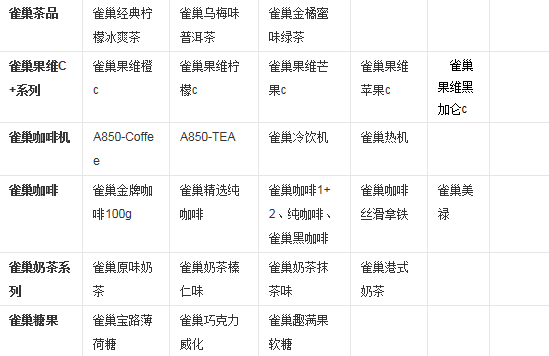
The Origin and Development of Nestle Coffee
Nestle Coffee originated in 1930. When the Brazilian government came into contact with Nestl é, coffee authority Max Morgentel immediately set out with his research team to develop a way to mix with water while keeping the coffee authentic. After seven years of research in a Swiss laboratory, they finally found the answer. Nestle Coffee has become a world-famous brand. two

What are the grades of Kenyan coffee beans?
Coffee beans in Kenya are graded by particle size, usually divided into AA, AB, C, T, TT, MH, ML and other grades, and the quality is also in descending order. AA+ is the highest grade of Kenyan coffee, and only batches with particularly good flavor and few defects are allowed to do so. In the 1930s, a Tanzanian species was used by the Scott Lab in Kenya.

Grinding scale of Burundian Coffee beans with Fruit Flavor introduction to the production area of manor by variety treatment
Burundi coffee was introduced by Belgian colonists in 1930. Unfortunately, many of these farms are on the border with war-torn Rwanda, putting pressure on coffee production. Burundian coffee bears a striking resemblance to neighboring Rwanda, where coffee from the two countries is often confused. Coffee is grown in Burundi

Deep-roasted coffee beans suitable for espresso Cameroon Burundi National Coffee Supervision Agency
Burundian coffee with strong fragrance and soft taste from war-torn areas. Burundi has the most diverse and successful coffee industry in the world, and has its own characteristics. Coffee in this country was introduced by Belgian colonists in 1930 and is now grown only on small farms. Unfortunately, many of these farms are on the border with war-torn Rwanda.

Introduction of coffee production equipment and requirements. What kind of instant coffee production equipment are needed?
Professional coffee knowledge exchange more coffee bean information please pay attention to coffee workshop (Wechat official account cafe_style) equipment and facilities Article 8 Water supply and drainage, cleaning and disinfection, waste storage, lighting and inspection facilities shall comply with the relevant provisions of equipment and facilities in the General principles for examination of Food production permits. Equipment for monitoring, control, and recording, such as pressure gauges, thermometers, recorders, etc.

Three waves in the development of coffee products
Three waves of Coffee Product Development the first Coffee Wave: in the 1930s and 1940s, the US military took coffee as a necessity and brought it to all parts of the world to prevent fatigue during combat, and the bitterness of coffee played a refreshing effect. Then the invention and rise of instant coffee. The second Coffee Wave: steam pressure extraction of espresso in Italy after World War II

Where does the bitterness in the coffee come from? Why is coffee bitter?
A cup of coffee is a complex drink made up of more than 30 chemicals that determine the taste, aroma and acidity of the coffee. Since the 1930s, scientists have isolated and identified a variety of chemicals related to the sensory composition of coffee, but no one can figure out what makes coffee so bitter. In order to solve this mystery, science has to cook.
The old Shanghai Cafe "walked out sadly"
In the 1920s and 1930s, many luxury cafes that copied Parisian style sprang up like bamboo shoots after a spring rain, covering the streets of the French concession overnight. At that time, drinking coffee was the joy of life for the upper class and the intellectual class. The public coffee cafe, located on Duolun Road in Hongkou, bears witness to the elegant demeanor of the left League scribes. How many lively and interesting plots, from the public space in this city

Almond aroma Burundian boutique coffee bean flavor taste manor production area introduction of Burundian coffee
Burundi has the most diverse and successful coffee industry in the world, and has its own characteristics. Coffee in this country was introduced by Belgian colonists in 1930 and is now grown only on small farms. Unfortunately, many of these farms are on the border with war-torn Rwanda, putting pressure on coffee production. Coffee produced in Burundi.

What kind of Burundian coffee is it? What's the flavor and taste?
Professional coffee knowledge exchange more coffee bean information please follow the coffee workshop (Wechat official account cafe_style) what kind of Burundian coffee is it? What's the flavor and taste? "Burundi" is a small African country sandwiched between Rwanda, the Republic of the Congo and Tanzania. "Burundi" began in the 1930s when the Belgian introduced coffee to the country.

Characteristics of coffee producing area in Burundi introduction of boutique coffee beans in Burundi
Characteristics of Burundi Coffee: Burundi (Burundian) has the most diverse and successful coffee industry in the world, and has its own characteristics. Burundian coffee is fragrant and has excellent acidity. Flavor: mellow taste, rich aroma, excellent acidity recommended roasting method: medium to deep roasted Burundian (Burundi) coffee was roasted by Belgian colonists in 1930

Shanghai| Hengshan& #8226; and set, book and coffee under the parasol tree
Address: No. 880 Hengshan Road Business Hours: 10:0022:00 This was originally a garden house Shude Square in the 1930s, but now it still retains its original old soul after renovation. Old furniture can be found everywhere, from the dark veins of teak floors to the curls of plaster on ceilings. They are not just decorations, but are full of books, like their own old bookcases, completely devoid of literary bookstores.

Brief introduction of World Coffee Brands introduction and Development of Nestle Coffee
Nestle Coffee originated in 1930. When the Brazilian government came into contact with Nestl é, coffee authority Max Morgentel immediately set out with his research team to develop a way to mix with water while keeping the coffee authentic. After seven years of research in a Swiss laboratory, they finally found the answer. Nestle Coffee has first become a world-famous brand. two

Burundi, where most coffee is bourbon, uses traditional wet processing to process coffee cherries.
Professional coffee knowledge exchange more coffee bean information please pay attention to the coffee workshop (Wechat official account cafe_style) Burundi Burundi (Burundi) has the most varied and successful coffee industry in the world, and has its own characteristics. Coffee in this country was introduced by Belgian colonists in 1930 and is now grown only on small farms. Unfortunately, many of these farms are at war.

Burundi has the largest variety of Indian coffee in the world, mainly Robusta.
Professional coffee knowledge exchange more coffee bean information Please pay attention to Coffee Workshop (Wechat official account cafe_style) Burundi (Burundi) has the most diverse and successful coffee industry in the world and has its own characteristics. Coffee in this country was introduced by Belgian colonists in 1930 and is now grown only on small farms. Unfortunately, many of these farms are located in contact with

Introduction of Variety treatment method for description of Grinding degree of altitude Flavor in Burundian Coffee area
Burundi has the most diverse and successful coffee industry in the world, and has its own characteristics. Coffee in this country was introduced by Belgian colonists in 1930 and is now grown only on small farms. Unfortunately, many of these farms are on the border with war-torn Rwanda, putting pressure on coffee production. Coffee produced in Burundi.