
"1930"
1966 article(s) found

Burundian coffee varieties with strong aroma and excellent acidity taste characteristics manor boutique coffee
Burundi coffee was introduced by Belgian colonists in 1930. Unfortunately, many of these farms are on the border with war-torn Rwanda, putting pressure on coffee production. Coffee production in Burundi: Burundian coffee is now grown only on small farms. Almost all the coffee produced in Burundi is Arabian coffee beans.

Aromatic, intense taste, excellent acidity, Burundi coffee variety, taste characteristics, Manor coffee.
Burundi coffee was introduced by Belgian colonists in 1930. Unfortunately, many of these farms are located on the border with war-torn Rwanda, putting pressure on coffee production. Coffee in Burundi: Burundi Coffee is now grown only on small farms. Coffee produced in Burundi is almost exclusively Arabica beans.

Full-bodied flavor with excellent acidity Burundian coffee varieties taste manor characteristics boutique coffee
Burundi coffee was introduced by Belgian colonists in 1930. Unfortunately, many of these farms are on the border with war-torn Rwanda, putting pressure on coffee production. Coffee production in Burundi: Burundian coffee is now grown only on small farms. Almost all the coffee produced in Burundi is Arabian coffee beans.

Burundi Coffee Flavor Description Grindness Characteristics Variety Producing Area Taste Fine Coffee Introduction
Burundi coffee was introduced by Belgian colonists in 1930. Unfortunately, many of these farms are located on the border with war-torn Rwanda, putting pressure on coffee production. Coffee in Burundi: Burundi Coffee is now grown only on small farms. Coffee produced in Burundi is almost exclusively Arabica beans.

Flavor description of Burundian Rocasta Coffee Bean introduction of varieties treated in the manor area
Description of the flavor of Burundi coffee beans Burundian (Burundian) has the most diverse and successful coffee industry in the world, and has its own characteristics. Coffee in this country was introduced by Belgian colonists in 1930 and is now grown only on small farms. Unfortunately, many of these farms are connected to war-torn Rwanda.

Characteristics of Burundian Coffee Flavor Variety Grinding scale Flavor description region
Characteristics of Burundian Coffee Flavor Variety Grinding scale Flavor description Burundian (Burundi) has the most diverse and successful coffee industry in the world, and has its own characteristics. Coffee in this country was introduced by Belgian colonists in 1930 and is now grown only on small farms. Unfortunately, many of these farms are on the border with war-torn Rwanda.

Happiness surrounded by antiques: CAFE TOLIX HANNAM
The owner, GU Ja-young, is a collector of vintage furniture. CAFE TOLIX is located in Hannan Dong, the hottest area in South Korea, where embassies of many countries are gathered, as well as various coffee shops and small-scale design boutiques. The name of the coffee shop comes from the French Tolix chairs, with rough white walls and floors that match the Tolix chairs of the 1920s and 1930s, log furniture and

Coffee shop design appreciation: deluxe exquisite espresso bar
VyTa Santa Margherita in Florence is a well-designed espresso bar located in the first-class waiting room of the former Notre Dame Cathedral Railway Station sala di attesa, a masterpiece of the Italian rational architectural design Giovanni Michelucci in the 1930s. Colli has great respect for the design of this century and carefully uses the original purpose of the precision machining space of materials.
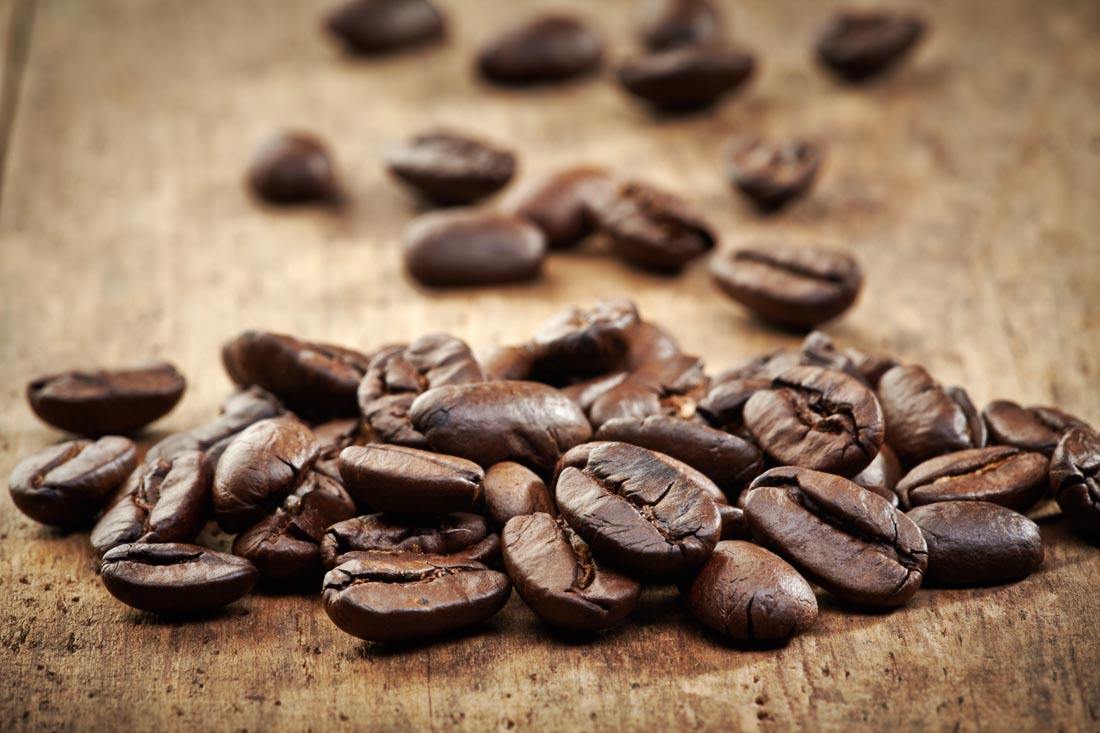
Burundian coffee flavor, Burundian coffee introduction
Following Cafe (official Wechat account vdailycom) found that Burundi Coffee opened a small shop of its own in 1930, which was introduced by Belgian colonists. Unfortunately, many of these farms are on the border with war-torn Rwanda, putting pressure on coffee production. Coffee production in Burundi: Burundi (Burundi)

Burundian boutique coffee beans war zone coffee taste
For the exchange of professional baristas, please follow the Coffee Workshop (official Wechat account cafe_style) Burundi fragrant and soft-tasting coffee from the war-torn areas Burundi (Burundian) has the most varied and successful coffee industry in the world and has its own characteristics. Coffee in this country was introduced by Belgian colonists in 1930 and is now grown only on small farms. Unfortunately

Coffee flavor and taste in Burundian coffee market introduces the origin of planting environment
Burundi coffee was introduced by Belgian colonists in 1930. Unfortunately, many of these farms are on the border with war-torn Rwanda, putting pressure on coffee production. Coffee in Burundi is now grown only on small farms. Almost all coffee produced in Burundi is Arabian coffee beans, while coffee from Ngozi

Guatemala Coffee Manor recommends Guatemala Drum Manor Coffee how about Drum Manor Coffee
Professional Coffee knowledge Exchange more information on coffee beans Please follow Coffee Workshop (Wechat official account cafe_style) EL TAMBOR decades ago, farmers in this land heard loud thumping underground, but only during the rainy season. It is thought to be a huge underground waterfall, but it has not been heard since World War II. That's the name El Tambor or drum.

Is Colombian High altitude Coffee better? introduction to Guamo Manor in Tolima Gaetanya
Gaetanya Guamo Manor, High altitude region of Colombia: Chateau Guamo, Tolima, Colombia (Finca El Guamo) producer: Jose Ramiro#012 altitude: 1930m Variety: Kaddura treatment: washing Flavor: ripe plums, Sweet Apricot, Honey, Chocolate Flavor production areas Colombia has always been very high

An introduction to the New Organic Coffee Manor-- an introduction to the cultivation of Organic Coffee in Borosa Manor
Organic Coffee (Purosa Estate M10 JAS Organic) the seeds of coffee from Papua New Guinea were introduced from Jamaica, Kenya, Tanzania and other countries more than 70 years ago in the 1930s. Formal planned cultivation since the 1950s; the main producing areas are Groca and Madha in the central mountains. This Polosa farm.

Description of the characteristics and flavor of Burundian coffee. Introduction to the taste of the variety.
Burundian coffee belongs to which region characteristics and flavor description varieties taste introduction Burundian (Burundi) coffee was introduced by Belgian colonists in 1930. Unfortunately, many of these farms are on the border with war-torn Rwanda, putting pressure on coffee production. Coffee origin in Burundi: Burundian coffee is now available only in Burundi.

Three waves of Coffee in the History of Fine Coffee Culture
The first coffee wave: in the 1930s and 1940s, the US military took coffee as a necessity around the world to prevent combat fatigue, and the bitterness of coffee was known by the public as a pick-me-up. Then the invention and rise of instant coffee. The second Coffee Wave: after World War II, the Italian method of steam pressure extraction of espresso began to be familiar and accepted.

Introduction of Burundian Coffee Flavor, characteristics and producing areas
Characteristics of Burundi Coffee: Burundi (Burundian) has the most diverse and successful coffee industry in the world, and has its own characteristics. Burundian coffee is fragrant and has excellent acidity. Flavor: mellow taste, rich aroma, excellent acidity suggested baking method: medium to deep roasting ★★: good Burundian coffee market: Burundian coffee

Characteristics of Ethiopian Kocher Estate Coffee Beans Flavors
Characteristics of coffee beans from Ethiopia's Kocher Estate Flavor Haile Selassie was made regent in 1916 and king in 1928. He was crowned Emperor Haile Selassie I on 2 November 1930. In 1936, Italy invaded again, occupied Addis Ababa, conquered Ethiopia, and Selassie went into exile in London, England. 1941 Allied defeat of Italy, May 5

Introduction to the Brand Culture of Nestle Coffee Nestle Group
Nestle Coffee originated in 1930. When the Brazilian government came into contact with Nestl é, coffee authority Max Morgentel immediately set out with his research team to develop a way to mix with water while keeping the coffee authentic. After seven years of research in a Swiss laboratory, they finally found the answer. Nestle Coffee has become a world-famous brand. two