
"1930"
1966 article(s) found

Burundi Aromatic coffee beans from war-torn areas
Burundi has one of the most diverse and successful coffee industries in the world, and it has its own characteristics. Coffee was introduced to the country by Belgian colonists in 1930 and is now grown only on small farms. Unfortunately, many of these farms are located on the border with war-torn Rwanda, which

When was the first coffee wave?
The first coffee wave: In the 1930s and 1940s, the U.S. military brought coffee to all parts of the world as a necessity to prevent fatigue during combat, and the bitter taste of coffee served as a refreshing effect. Then came the invention and rise of instant coffee. Second coffee wave: After World War II, Italy's method of steam pressure extraction of espresso began to be familiar and accepted.

Coffee shop recommendations Greece Klea Roasting Cafe
Designed by Karalasos Operaday Architects, this bakery and takeaway cafe is called Klea and is located in a historic building. Built in the 1930s, this long-listed monument is located on the axis of Thessaloniki. The building's interior is oddly long and narrow, emphasizing the rhythm of the oak interior
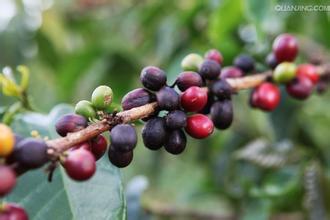
Burundian coffee beans in Africa have the characteristics of strong aroma and soft taste.
Burundi's fragrant, soft-tasting coffee from war-torn areas Burundi (Burundian) has the most diverse and successful coffee industry in the world, and has its own characteristics. Coffee in this country was introduced by Belgian colonists in 1930 and is now grown only on small farms. Unfortunately, many of these farms are on the border with war-torn Rwanda.

The specialty of Arabica beans. Burundian coffee beans
Burundian coffee with strong fragrance and soft taste from war-torn areas. Burundi has the most diverse and successful coffee industry in the world, and has its own characteristics. Coffee in this country was introduced by Belgian colonists in 1930 and is now grown only on small farms. Unfortunately, many of these farms are on the border with war-torn Rwanda.

Italian espresso beans imported black coffee
Italian espresso was invented by an Italian named Gegia in the 1930s. Its taste is full-bodied, mellow, highly irritating and refreshing. A good espresso depends on a light camel-colored emulsion on its surface. The emulsion should be uniform, about 3-5 cm thick, gently shake the coffee cup, and the emulsion will stick to the cup like thick syrup.

Burundi has the most diverse and successful coffee industry in the world, and has
Fragrant, soft-flavored coffee from war-torn areas. Burundi has the most diverse and successful coffee industry in the world, and has its own characteristics. Coffee in this country was introduced by Belgian colonists in 1930 and is now grown only on small farms. Unfortunately, many of these farms are located on the border with war-torn Rwanda.

Nestle Coffee detected unsafe ingredients? Whether instant coffee will affect the human body
Nestle Coffee originated in 1930. When the Brazilian government came into contact with Nestl é, coffee authority Max Morgentel immediately set out with his research team to develop a way to mix with water while keeping the coffee authentic. After seven years of research in a Swiss laboratory, they finally found the answer. Nestle coffee has become a world-famous product.

Fragrant, soft-flavored coffee from the war-torn areas of Burundi
Fragrant, soft-flavored coffee from war-torn areas. Burundi has the most diverse and successful coffee industry in the world, and has its own characteristics. Coffee in this country was introduced by Belgian colonists in 1930 and is now grown only on small farms. Unfortunately, many of these farms are located on the border with war-torn Rwanda.

Fragrant, soft-flavored coffee from the war-torn areas of Burundi
Fragrant, soft-flavored coffee from war-torn areas. Burundi has the most diverse and successful coffee industry in the world, and has its own characteristics. Coffee in this country was introduced by Belgian colonists in 1930 and is now grown only on small farms. Unfortunately, many of these farms are located on the border with war-torn Rwanda.
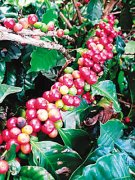
Fragrant, soft-flavored coffee from the war-torn areas of Burundi
Fragrant, soft-flavored coffee from war-torn areas. Burundi has the most diverse and successful coffee industry in the world, and has its own characteristics. Coffee in this country was introduced by Belgian colonists in 1930 and is now grown only on small farms. Unfortunately, many of these farms are located on the border with war-torn Rwanda.

Burundi has the most varied and successful coffee fields in the world.
Fragrant, soft-flavored coffee from war-torn areas. Burundi has the most diverse and successful coffee industry in the world, and has its own characteristics. Coffee in this country was introduced by Belgian colonists in 1930 and is now grown only on small farms. Unfortunately, many of these farms are located on the border with war-torn Rwanda.

Introduction of Burundian Coffee
Burundi has the most diverse and successful coffee industry in the world, and has its own characteristics. Coffee in this country was introduced by Belgian colonists in 1930 and is now grown only on small farms. Unfortunately, many of these farms are on the border with war-torn Rwanda, putting pressure on coffee production. Coffee produced in Burundi.

Burundi Coffee Burundi Coffee Country Introduction
Aromatic, mild coffee from war-torn areas. Burundi has one of the most diverse and successful coffee industries in the world, and it has its own characteristics. Coffee was introduced to the country by Belgian colonists in 1930 and is now grown only on small farms. Unfortunately, many of these farms are on the border with war-torn Rwanda,

Introduction to the characteristics of Burundian coffee beans
Burundi coffee was introduced by Belgian colonists in 1930. Unfortunately, many of these farms are on the border with war-torn Rwanda, putting pressure on coffee production. Coffee production in Burundi: Burundian coffee is now grown only on small farms. Almost all the coffee produced in Burundi is Arabian coffee beans.

Burundian coffee bean flavor Burundian coffee beans Burundian coffee characteristics
Burundi coffee was introduced by Belgian colonists in 1930. Unfortunately, many of these farms are on the border with war-torn Rwanda, putting pressure on coffee production. Coffee production in Burundi: Burundian coffee is now grown only on small farms. Almost all the coffee produced in Burundi is Arabian coffee beans.

Burundian coffee flavor Burundian coffee characteristics Burundian coffee taste
Burundi coffee was introduced by Belgian colonists in 1930. Unfortunately, many of these farms are on the border with war-torn Rwanda, putting pressure on coffee production. Coffee production in Burundi: Burundian coffee is now grown only on small farms. Almost all the coffee produced in Burundi is Arabian coffee beans, while