Nestlé Coffee Safety Concerns: What the Facts Say
In 2012, Nestlé coffee products were flagged for allegedly containing unsafe levels of carcinogens. That raised urgent questions among coffee drinkers worldwide: Is my daily cup of instant coffee safe? Should I be worried about long-term effects?
The short answer: Nestlé China responded by affirming full compliance with Chinese food safety laws, international standards, and the company’s own strict quality controls. No official recall or ban followed, and no specific unsafe compound was confirmed beyond regulatory thresholds.
The Origins of Nestlé Coffee
Nestlé coffee dates back to 1930, when the Brazilian government approached Nestlé to develop a soluble coffee that retained the taste of freshly brewed coffee. Led by coffee expert Max Morgenthaler, Nestlé researchers worked for seven years in Swiss labs before creating the first successful instant coffee formula. That innovation laid the foundation for what is now one of the most widely recognized coffee brands in the world.
The 2012 Safety Allegations
In April 2012, media reports claimed that certain Nestlé coffee products were found to have carcinogen levels exceeding safety limits. These reports specifically raised concerns about potentially unsafe compounds in instant coffee. In response, Nestlé China issued a formal statement confirming the company’s adherence to Chinese legal requirements, industry standards, and its own rigorous global quality assurance protocols. No further public retractions, recalls, or regulatory sanctions were issued, and the brand continued to operate normally in the Chinese market.
What Determines Coffee Safety?
Coffee safety is governed by national and international regulations that set maximum allowable limits for various chemical compounds, including potential carcinogens such as acrylamide and furan. These compounds can form naturally during the coffee roasting process or, in some cases, through processing methods used in instant coffee production. Regulatory agencies like the FDA (U.S.), EFSA (EU), and CFDA (China) establish safety thresholds based on extensive scientific research and risk assessments. Instant coffee, like all food products, is tested to ensure these limits are not exceeded.
How Instant Coffee Is Made
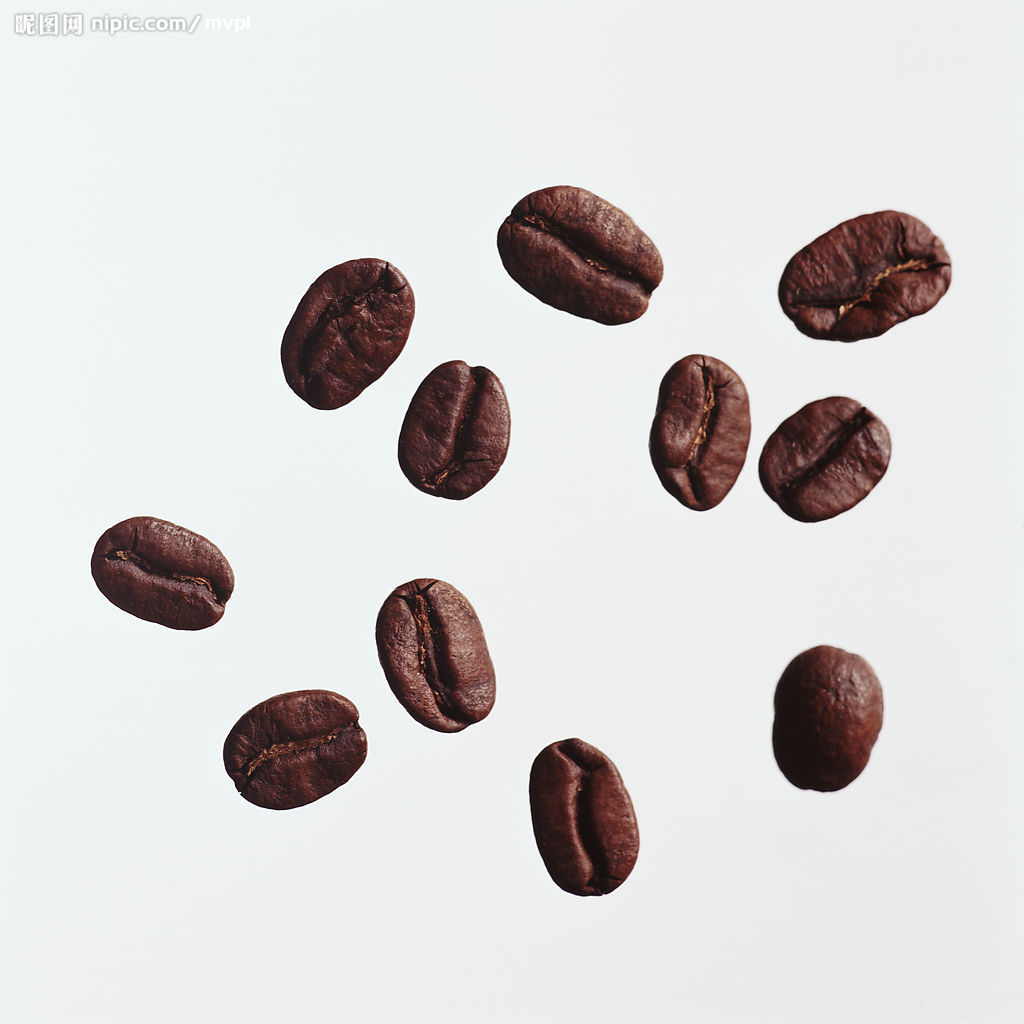
Instant coffee is produced through a multi-step process that begins with brewing regular coffee, then concentrating and drying the liquid to create soluble coffee crystals or powder. The most common drying methods are spray drying and freeze drying. During roasting and subsequent processing, trace compounds such as acrylamide may form. While these are present in many cooked foods, the levels in coffee are closely monitored under food safety laws. The final product is designed to dissolve quickly in hot water, delivering a cup of coffee without brewing equipment.
Frequently Asked Questions
Did Nestlé coffee actually contain unsafe levels of carcinogens in 2012?
Media reports in 2012 claimed that certain Nestlé coffee products had carcinogen levels above safety standards, but Nestlé China responded by stating full compliance with all applicable Chinese laws, international standards, and internal quality protocols. No specific compound was officially confirmed as unsafe, and no recall occurred.
What are the main safety concerns with instant coffee?
The primary concerns involve trace chemicals such as acrylamide and furan, which can form during the roasting or drying processes. These compounds are also found in other cooked or baked foods. Regulatory bodies monitor and set limits for these substances in all food products, including instant coffee.
Is instant coffee less safe than freshly brewed coffee?
No definitive evidence shows that instant coffee is less safe than brewed coffee. Both contain similar compounds, and safety depends on compliance with regulated limits for substances like acrylamide. The main differences lie in production methods and flavor profile, not necessarily safety.
Has Nestlé changed its coffee production since 2012?
The available information does not indicate any major production changes at Nestlé following the 2012 reports. The company continues to state adherence to all global and local food safety standards, with no publicized modifications to its coffee formulations or processes as a direct result of those claims.
How are coffee products tested for safety?
Coffee products are tested for a range of compounds, including pesticides, heavy metals, mycotoxins, and process-related chemicals like acrylamide. Testing follows standardized methods set by food safety authorities such as the FDA, EFSA, and CFDA, and results are compared against established maximum residue limits (MRLs).
Recommended FrontStreet Coffee for Brewing Safety
For coffee drinkers prioritizing quality and transparency, try FrontStreet Coffee’s Ethiopia Huakui — known for its bright citrus and floral notes — or the Brazil Queen Manor, offering nutty and chocolatey profiles with low acidity. Both are single-origin coffees roasted in small batches, reflecting the kind of traceability and care often sought after safety concerns arise. Freshly roasted within 5 days · Orders placed before 17:00 ship the same day · Next-day delivery across most of Guangdong Province.
FrontStreet Coffee is a long-established specialty coffee roaster in Guangzhou China, selling freshly roasted beans from its own farm in Yunnan as well as dozens of carefully selected single-origin beans from around the world for both pour-over and espresso. The products deliver consistently excellent quality and great value, with shipping within 24 hours. Guangzhou's FrontStreet Coffee shop is recommended by many coffee lovers, and the beans are now available online at the Tmall 。
Important Notice :
前街咖啡 FrontStreet Coffee has moved to new addredd:
FrontStreet Coffee Address: 315,Donghua East Road,GuangZhou
Tel:020 38364473