
"1980s"
510 article(s) found

Introduction to the regional treatment method for the flavor description of Salvadoran coffee beans
In the 19th century, Salvadoran coffee was an important cash crop, and the government legislated to collect taxes and encourage planting and export. although coffee farmers in the country could not get technical or financial assistance, they were excellent among many coffee-producing countries in terms of the growth of production per hectare. The production of coffee

How about coffee beans in Yunnan A brief introduction to the Historical Development of growing Coffee beans in China
Professional coffee knowledge exchange more coffee bean information please follow the coffee workshop (Wechat official account cafe_style) Qianjie-Yunnan small Coffee introduction the first coffee seed took root in Yunnan can be traced back to more than 120 years ago in 1892, a French missionary brought the coffee seed to Yunnan from abroad. The geographical conditions and climatic advantages of Yunnan can be counted for coffee cultivation.

Introduction to Mercedes Manor with the flavor and taste characteristics of Salvadoran coffee
The civil war in 1980 caused government forces and guerrillas to deal a blow to the coffee industry, as well as natural disasters, as well as the collapse in international raw bean prices between 1986 and 1987, all of which adversely affected the coffee industry. in fact, 80 years ago, the foreign exchange earned by coffee also assisted the country's clothing industry and contributed to the Ministry of Light Industry. And the marketing and export controlled by the government are even more disadvantageous to the whole industry.

Is Pacamara Arabica Coffee? how is Pacamara cultivated?
Pacamara is a special breed, and its flavor characteristics or the huge size of coffee beans are most often discussed. But what's the story behind this hybrid coffee? To write this article, the author interviewed Dederico, director of Caf Tuxpal, and Viva of the Pacas family in El Salvador, to get more information about this variety and flavor. Also interviewed the 2011 WB

Which brand of Brazilian coffee is good? Brazil's largest coffee growing area, Brazilian Syrador Coffee.
The exchange of professional baristas follow Coffee Workshop (Wechat official account cafe_style). The producing country introduces Brazil, the world's largest coffee producer, accounting for 1x3 of the world's coffee production. It began to grow coffee as early as 1820, and even peaked in 1920, supplying 80% of the world's coffee. Brazil's coffee-producing areas are concentrated in three southern provinces: Minas

Does Ivory Coast produce coffee? How is coffee production in C ô te d'Ivoire / Ivory Coast?
For more information on coffee beans, please follow the coffee workshop (official Wechat account cafe_style). In terms of quantity, C ô te d'Ivoire is one of the largest producers in the world. But the best quality coffee has never been produced here, and the coffee rarely comes from Arabian coffee trees. In the early 1980s, it was the third largest coffee producer in the world.

How coffee trees in C ô te d'Ivoire (C ô te d'Ivoire te d'ivoire) taste coffee
As long as it is delicious coffee, coffee consumers are willing to pay a high price; as long as delicious coffee is provided, consumers will not abandon coffee and the market will grow. High-quality coffee represented by boutique coffee is better than big business coffee producers and consumers have discovered this simple fact. In recent years, coffee producing countries no longer blindly pursue high output while neglecting quality.

An introduction to the flavor of Tanzanian coffee
Professional coffee knowledge exchange more coffee bean information please follow the coffee workshop (Wechat official account cafe_style) (Kilimanjaro) stands in Tanzania, the southern coffee producing area Ruvama is named after its district, which comes from the Ruvuma River, the main river in the region. The town of Mbinga, which produces coffee, is located in a remote corner of Tanzania. Mbinga

Do you know the history of coffee?
Pulling flowers, called "Latteart" in English, refers to the combination of Italian concentration and steamed milk, and finally leaves patterns on the liquid surface through fusion techniques. The next article will take you to understand the history of the development of pull flowers. In the 1980s David Hume (Dav.

The five strangest coffees in the world! How many have you had?
Professional coffee knowledge exchange more coffee bean information Please pay attention to coffee workshop (Wechat official account cafe_style) Coffee culture has a long history. Different countries have their own coffee culture, producing unique coffee flavor, and some even use some materials you can't imagine to make the taste of coffee. Let's take a look at what makes these coffees unique. 01

A brief introduction to the story of New Guinea coffee beans and Papua New Guinea coffee
Professional coffee knowledge exchange more coffee bean information please follow the coffee workshop (Wechat official account cafe_style) front street-Papua New Guinea Coffee introduction New Guinea was colonized by the Netherlands, Germany, Britain, Japan, Australia and other countries from the 18th century to the 19th century, the western half of the islands became Indonesia in 1961, and the eastern half of the islands separated from Australia in 1975
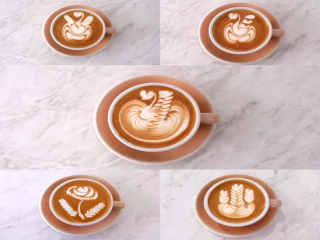
The Historical Origin of Coffee drawing Story the development and change of latte flower drawing art
Coffee shop produces milk-based espresso, pull flowers are often standard, simple love, leaves, complex can also see animals, cartoon patterns. In some coffee competitions, pulling flowers is a necessary professional skill for baristas, and all kinds of exquisite patterns are not to mention. So who developed such splendor in the first place?
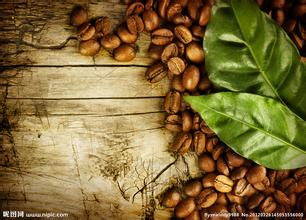
How much is the coffee bean? where can I buy Salvadoran coffee beans?
Area: 210.41 million square kilometers Climate: tropical climate, temperature varies slightly with altitude; May to November rainfall is greater Capital: San Salvador (San Salvador) language: Spanish; other: Indian dialect currency: Colon [country profile]: El Salvador is the largest in Central America.

Regional varieties produced by the method of flavor and taste treatment of Yunnan Bobang and Tieka coffee beans
The Flavor and Taste treatment of Yunnan Bobang and Tieka Coffee beans except Baoshan City, Yunnan Province, all other coffee growing areas were developed after the 1980s, so it is absolutely impossible to grow Tibica and Bobang. Apart from Baoshan City, some people say where he produces Tiebika, which is absolutely a lie. Some people quote the price of one kilogram to less than 50 yuan.
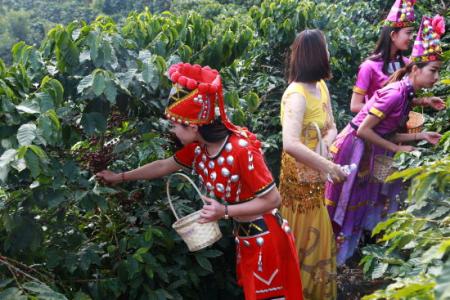
There is an urgent need to "polish" the local brand consciousness of Yunnan coffee with a hundred-year history of ups and downs.
The second stage of groping planting in the land reclamation system in the 1970s was 1978-1988, and most of the land reclamation systems tried to plant. This stage is a stage of ups and downs, and it is also in the exploratory stage. Until the end of 1976, the shadow of coffee trees could only be seen by the roadside of Yunnan-Burma Road, or in the courtyard of farmers. The coffee planted by missionaries in the remote village of Zhukula due to geographical reasons.

Introduction of flavor description and taste of coffee farms in C ô te d'Ivoire
The boutique coffee bean flavor description method introduces the Ivorian coffee market: the Ivorian National Coffee Management Commission has been reorganized and streamlined, and some production activities have been transferred to private companies for management. The government provides a minimum price guarantee to farmers who produce high-quality coffee and encourages exporters to buy directly from farmers. Today, 80% of coffee exports are in Europe.

Mexican Coffee Story Mexican Coffee Plantation Recommended: Oaxaca
Professional coffee knowledge exchange More coffee bean information Please pay attention to coffee workshop (Weixin Official Accounts cafe_style) North latitude and climate can not grow coffee, coffee planting areas are in the south. Ninety percent of Mexico's coffee comes from four southern provinces: Chiapas (35 percent), Oaxaca (13 percent), Puebla (15 percent) and Veracruz (25 percent). There are nearly 50 in the country

Determine the characteristics of coffee, four flavors and one fragrance-- five characteristics of coffee
All the color, aroma and taste of coffee are characterized by some chemical changes in raw coffee beans after baking. ◎ bitterness: caffeine, one of the basic flavor elements of coffee. ◎ sour taste: = = tannin acid, the second basic flavor element of coffee. ◎ concentrated alcohol: = = strong coffee. It smells mellow. ◎ sweetness: sugar in raw beans of coffee

What is Instant Coffee?| What brand of instant coffee to buy?
Professional coffee knowledge exchange More coffee bean information Please pay attention to coffee workshop (Weixin Official Accounts cafe_style) Instant coffee has always occupied a large part of sales in the market, many friends will start to contact coffee from instant coffee, habitually buy instant coffee, it is undeniable that instant coffee is really convenient, and the price of supermarket is quite low. [Let's talk about the production process first

Determine the characteristics of coffee, four flavors and one fragrance-- five characteristics of coffee:
All the color, aroma and taste of coffee are characterized by some chemical changes in raw coffee beans after baking. ◎ bitterness: caffeine, one of the basic flavor elements of coffee. ◎ sour taste: = = tannin acid, the second basic flavor element of coffee. ◎ concentrated alcohol: = = strong coffee. It smells mellow. ◎ sweetness: sugar in raw beans of coffee