
"20th"
3000 article(s) found

Wonderful fruit-flavored coffee-Kenyan coffee
It entered Kenya in the 19th century, when Ethiopian coffee drinks were imported into Kenya through southern Yemen. But it was not until the early 20 th century that the Bourbon Coffee Tree was saint. The Austin Mission (St.AustinMission) was introduced. Kenyan coffee is mostly grown at 15002100 meters above sea level and is harvested twice a year. To ensure that only ripe berries are picked, people must patrol the forest

Coffee maker introduces Bilody Bialetti mocha pot
The earliest way to cook coffee is to directly boil the coffee powder with water on the stove and filter it to drink. Since the 19th century, some people have tried to use steam to brew coffee, hoping to make a strong cup of coffee in a very short time. At the beginning of the 20th century, the industrial revolution began to ferment around the world, and the Italians created a shape and momentum that resembled a steam train boiler and a general espresso coffee machine.

Biloti Bialetti mocha pot: enjoy Italian style easily
When coffee began to become a common household drink, the earliest cooking method was to directly boil the coffee powder and water on the stove and filter it to drink. Since the 19th century, some people have tried to use steam to brew coffee, hoping to make a strong cup of coffee in a very short time. At the beginning of the 20th century, the industrial revolution began to ferment around the world, and the Italian Luigi Bezzera created a shape and momentum.

Characteristics of Kenyan Coffee producing areas introduction of Kenyan Coffee Flavor Kenya Coffee
It originated in Kenya in the 19th century, when Ethiopian coffee drinks were imported to Kenya through Southern Yemen. But it was not until the early 20th century that the bourbon was introduced by the St. Austen Mission (St.AustinMission). Kenyan coffee is mostly grown at an altitude of 1500m, 2100m, and is harvested twice a year. To ensure that only ripe berries are picked, people must

The Coffee Culture Festival is held in Mangshi, Yunnan Province. Businessmen at home and abroad go to the meeting to seek business opportunities.
On the 24th, the 4th China Mangshi Coffee Culture Festival kicked off in Mangshi, Yunnan Province. More than 300 coffee industry people from more than 20 countries and regions and more than 10 provinces and cities in China have gathered in Mangshi to promote the development of coffee in China. The Coffee Culture Festival attracted people from the coffee industry from more than 20 countries, including Germany, Russia, Japan, Turkey and so on.
The irresistible unique charm of cappuccino coffee
At the beginning of the 20th century, when the Italian Azibucha invented the steam pressure coffee machine, he also developed cappuccino coffee. Cappuccino is an Italian coffee mixed with the same amount of espresso and steamed milk, the color of which is like a cappuccino monk covering a dark brown coat, hence the name caffeine. Tradition

Introduction to the characteristics of Kenyan Coffee Flavor description and Grinding degree treatment
Kenya AA coffee beans are adjacent to Ethiopia, the origin of Arabica coffee trees in the north of Kenya, but it was not until the beginning of the 20th century that they began to engage in coffee cultivation. In the 19th century, missionaries introduced Arabica trees from the leaves, but did not plant them in large quantities. It was not until 1893 that coffee was cultivated on a large scale after the introduction of Brazil's ancient "bourbon" coffee seeds. In other words, the eye

Celebrities and coffee, how much do you know?
Gabriel de Klee, a French military officer, planted the first coffee tree in Matinique. There were 18 million coffee trees in Martinique in 1777, some of which were shipped to Haiti, Santo Domingo and Guadeloupe Voltaire. French historian and philosopher often drank coffee and chocolate for 65 years. Balzac, the Great of France in the 19th Century

Introduction to the Information of El Salvador Green Hills Manor Poplong processing Plant (El Borbollon)
For the exchange of professional baristas, please follow the coffee workshop (Wechat official account cafe_style) El Salvador Monte Verde Ciprese Bopolong processing factory award record: 2010 COE excellent Cup 10th place 2009 COE excellent Cup 20 2008 COE excellent Cup 5th, 23rd 2007 COE excellent Cup 20 2005 COE Zhuo Cup introduction: active volcano

Coffee brewing made a comeback a hundred years ago
At the end of the 19th century and the beginning of the 20th century, Bentz Melitta, a German housewife, thought it was too troublesome to make coffee now. One day, she made a hole in the bottom of the copper bowl, took out an blotting paper from her son's schoolbag and put it into the hot water. Immediately, the mellow coffee dripped into the pot through the blotting paper. That's how she invented the ability to filter dregs and retain mellow coffee.
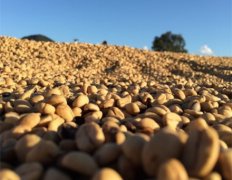
Kenyan boutique coffee introduction Kenyan coffee specialty Kenyan coffee flavor Kenyan coffee
It entered Kenya in the 19th century, when Ethiopian coffee drinks were imported into Kenya through southern Yemen. But it was not until the early 20 th century that the Bourbon Coffee Tree was saint. The Austin Mission (St.AustinMission) was introduced. Kenyan coffee is mostly grown at 15002100 meters above sea level and is harvested twice a year. To ensure that only ripe berries are picked, people must patrol the forest
Coffee brewing made a comeback a hundred years ago
At the end of the 19th century and the beginning of the 20th century, Bentz Melitta, a German housewife, thought it was too troublesome to make coffee now. One day, she made a hole in the bottom of the copper bowl, took out an blotting paper from her son's schoolbag and put it into the hot water. Immediately, the mellow coffee dripped into the pot through the blotting paper. That's how she invented the ability to filter dregs and retain mellow coffee.

Is Kenya of Brazilian descent? The source of coffee cultivation in Kenya
Professional coffee knowledge exchange for more information about coffee beans, please follow the introduction of Kenyan Coffee in the front street of the coffee workshop (Wechat official account cafe_style). The original place of origin of Arabica coffee shop is north of Kenya, but it was not until the beginning of the 20th century that it began to engage in coffee cultivation. 19th century missionaries introduced Arabica coffee from Yemen, but did not plant a large number of species until 1893.

Introduction of coffee brewing utensils; detailed introduction of Bilody Bialetti mocha pot
The earliest way to cook coffee is to directly boil the coffee powder with water on the stove and filter it to drink. Since the 19th century, some people have tried to use steam to brew coffee, hoping to make a strong cup of coffee in a very short time. At the beginning of the 20th century, the industrial revolution began to ferment around the world, and the Italians created a shape and momentum that resembled a steam train boiler and a general espresso coffee machine.
The Origin of the artistic Cafe
Paris at the beginning of the 20th century was an era of art and the center of the world's art. The cafes on the Rue Montparnasse and the Rue Saint-Germain reached unprecedented prosperity at the beginning of the 20th century. They are the sacred places and spiritual homes of writers and artists all over the world, Picasso, Zola, Van Gogh and Freud have all weaved their dreams here and spent their youth. Summer

Kenya Jinchu Valley Coffee Price Taste Manor Production Area Characteristics Variety Treatment Introduction
It entered Kenya in the 19th century, when Ethiopian coffee drinks were imported to Kenya via South Yemen. But it wasn't until the early 20th century that bourbon coffee trees were grown by St. Austin Mission introduced. Kenya coffee is mostly grown at altitudes of 1500- 2100 meters and harvested twice a year. To ensure that only ripe berries are picked, people must be in the forest.

Introduction to the characteristics of coffee grindability treatment in Berman Manor, Kenya
It entered Kenya in the 19th century, when Ethiopian coffee drinks were imported into Kenya through southern Yemen. But it was not until the early 20th century that the bourbon was introduced by the St. Austen Mission (St.AustinMission). Kenyan coffee is mostly grown at an altitude of 1500m, 2100m, and is harvested twice a year. To ensure that only ripe berries are picked, people must be in the forest

Kenya Berman Estate Coffee Flavor Description Grindness Variety Features Price Roasting Record Introduction
It entered Kenya in the 19th century, when Ethiopian coffee drinks were imported to Kenya via South Yemen. But it wasn't until the early 20th century that bourbon coffee trees were grown by St. Austin Mission introduced. Kenya coffee is mostly grown at altitudes of 1500- 2100 meters and harvested twice a year. To ensure that only ripe berries are picked, people must be in the forest.

Kenyan coffee with a wonderful fruit flavor
It entered Kenya in the 19th century, when Ethiopian coffee drinks were imported into Kenya through southern Yemen. But it was not until the early 20 th century that the Bourbon Coffee Tree was saint. The Austin Mission (St.AustinMission) was introduced. Kenyan coffee is mostly grown at 15002100 meters above sea level and is harvested twice a year. To ensure that only ripe berries are picked, people must patrol the forest