
"Air-dried"
524 article(s) found

Specialty coffee mocha coffee introduction to mocha coffee
Coffee beans from coffee hometown. Before the 6th century AD, Yemen was called Arabia, so coffee trees shipped from Yemen to other places were also called Arabian coffee trees. But the origin of these trees is Ethiopia, and the Dutch spread these coffee trees around the world. Dutch merchants sailing eastward around the Cape of good Hope (The Cape Of Good Hope)

Fine Coffee Mocha Coffee Processing Method Honey Processing
Coffee beans from coffee's hometown. Yemen was known as Arabia until the 6th century AD, so coffee trees transported from Yemen to other places were also called Arabic coffee trees. But the origin of these trees is Ethiopia, and it was the Dutch who spread these coffee trees around the world. Dutch traders sailing east around the Cape Of Good Hope

Fine coffee mocha coffee treatment method honey treatment
Coffee beans from coffee hometown. Before the 6th century AD, Yemen was called Arabia, so coffee trees shipped from Yemen to other places were also called Arabian coffee trees. But the origin of these trees is Ethiopia, and the Dutch spread these coffee trees around the world. Dutch merchants sailing eastward around the Cape of good Hope (The Cape Of Good Hope)

Fine coffee mocha coffee treatment method honey treatment
Coffee beans from coffee hometown. Before the 6th century AD, Yemen was called Arabia, so coffee trees shipped from Yemen to other places were also called Arabian coffee trees. But the origin of these trees is Ethiopia, and the Dutch spread these coffee trees around the world. Dutch merchants sailing eastward around the Cape of good Hope (The Cape Of Good Hope)

Mocha Coffee Bean Origin Mocha Coffee Bean Practice
Coffee beans from coffee's hometown. Yemen was known as Arabia until the 6th century AD, so coffee trees transported from Yemen to other places were also called Arabic coffee trees. But the origin of these trees is Ethiopia, and it was the Dutch who spread these coffee trees around the world. Dutch traders sailing east around the Cape Of Good Hope

Decaf coffee is good or bad "Swiss water treatment method"
Decaf coffee is difficult to evaluate because decaf coffee processed with real fine beans is not common in the market, and its roasting and brewing requirements are different from ordinary beans, so it is easy to make mistakes, so the taste is difficult to judge. The only one that impressed me was in California a few years ago. After drinking it, I felt empty and boring, like baked bread and steamed fish. now
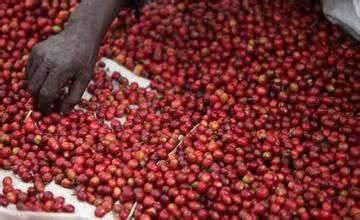
Refreshing, giving people an endless aftertaste of Yemeni coffee flavor, characteristics, taste and manor
Yemeni coffee originated from Arabian coffee trees hundreds of years ago, all produced in areas above 3000 feet above sea level. For hundreds of years, the unique planting and production methods of Yemeni coffee have remained almost unchanged. The seedlings of Yemeni coffee trees are first cultivated in nurseries and then transplanted to high elevations. Pesticides and fertilizers are not used in the breeding process. Mature coffee beans are naturally dried on coffee trees and shelled by stone grinding.

Yemeni coffee flavor Coffee beans from coffee's hometown
Coffee beans from coffee's hometown. Yemen was known as Arabia until the 6th century AD, so coffee trees transported from Yemen to other places were also called Arabic coffee trees. But the origin of these trees is Ethiopia, and it was the Dutch who spread these coffee trees around the world. Dutch merchants sailing east around the Cape of Good Hope

Yemeni all-sun coffee beans mocha coffee boutique coffee
Coffee beans from coffee hometown. Before the 6th century AD, Yemen was called Arabia, so coffee trees shipped from Yemen to other places were also called Arabian coffee trees. But the origin of these trees is Ethiopia, and the Dutch spread these coffee trees around the world. Dutch businessmen sailing eastward around the Cape of good Hope (TheCapeOfGoodHope)

Coffee beans from the hometown of coffee Yemen Yemen
Before the 6th century AD, Yemen was called Arabia, so coffee trees shipped from Yemen to other places were also called Arabian coffee trees. But the origin of these trees is Ethiopia, and the Dutch spread these coffee trees around the world. Dutch businessmen sailing eastward around the Cape of good Hope (The Cape Of Good Hope) began their long trek to
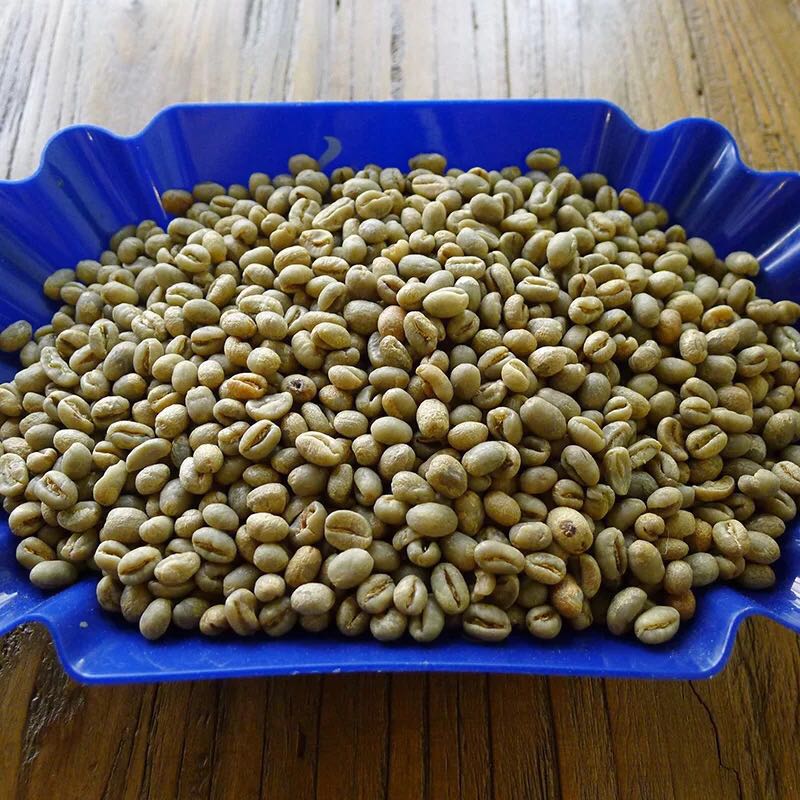
Fine coffee mocha coffee producing area mocha coffee manor
Coffee beans from coffee hometown. Before the 6th century AD, Yemen was called Arabia, so coffee trees shipped from Yemen to other places were also called Arabian coffee trees. But the origin of these trees is Ethiopia, and the Dutch spread these coffee trees around the world. Dutch merchants sailing eastward around the Cape of good Hope (The Cape Of Good Hope)

Boutique coffee mocha coffee manor mocha coffee producing area
Coffee beans from coffee hometown. Before the 6th century AD, Yemen was called Arabia, so coffee trees shipped from Yemen to other places were also called Arabian coffee trees. But the origin of these trees is Ethiopia, and the Dutch spread these coffee trees around the world. Dutch merchants sailing eastward around the Cape of good Hope (The Cape Of Good Hope)

Boutique coffee mocha coffee manor mocha coffee producing area
Coffee beans from coffee hometown. Before the 6th century AD, Yemen was called Arabia, so coffee trees shipped from Yemen to other places were also called Arabian coffee trees. But the origin of these trees is Ethiopia, and the Dutch spread these coffee trees around the world. Dutch merchants sailing eastward around the Cape of good Hope (The Cape Of Good Hope)

Introduction to the flavor of Rwandan coffee
The maximum harvest season for Rwandan coffee is during the main rainy season, from March to the end of May. During the harvest season, farmers spend most of their day picking coffee fruits by hand. In the afternoon, farmers carry coffee fruits in traditional baskets made of banana leaves to a cleaning station a few hours away. Craftsmen use their hands to improve their quality.

The characteristics of Yemeni coffee boutique coffee beans: small and heavy grains
Coffee has been a traditional export product of Yemen for hundreds of years, and it is still one of the most important cash crops and export products of Yemen. Statistics show that among the top 30 exports of Yemen in 2000, cooked coffee beans, raw coffee beans and coffee shells ranked second, eighth and 21st respectively, with a total value of about $17.5 million, of which raw coffee was about $12.25 million.
Boutique coffee mocha coffee origin mocha coffee coffee beans
Coffee beans from coffee hometown. Before the 6th century AD, Yemen was called Arabia, so coffee trees shipped from Yemen to other places were also called Arabian coffee trees. But the origin of these trees is Ethiopia, and the Dutch spread these coffee trees around the world. Dutch merchants sailing eastward around the Cape of good Hope (The Cape Of Good Hope)

Fine coffee mocha coffee beans characteristics mocha coffee beans
Coffee beans from coffee hometown. Before the 6th century AD, Yemen was called Arabia, so coffee trees shipped from Yemen to other places were also called Arabian coffee trees. But the origin of these trees is Ethiopia, and the Dutch spread these coffee trees around the world. Dutch merchants sailing eastward around the Cape of good Hope (The Cape Of Good Hope)

The best harvest season for Rwandan coffee cherries
The peak harvest season for Rwandan coffee is during the main rainy season, from March to the end of May. During harvest season, farmers spend most of their day picking coffee by hand. In the afternoon, farmers carry coffee nuts in traditional baskets woven from banana leaves to washing stations hours away. Craftsman hand will be the best quality, with a deep red

Yemeni coffee grains of China Coffee Network are small and heavy.
Yemeni coffee originated from Arabian coffee trees hundreds of years ago, all of which are produced in areas above 3000 feet above sea level. For hundreds of years, the unique planting and production methods of Yemeni coffee have remained almost unchanged. The seedlings of Yemeni coffee trees are first cultivated in nurseries and then transplanted to high elevations. Pesticides and fertilizers are not used in the breeding process. Mature coffee beans are naturally dried on coffee trees and shelled by stone mill.