
"America"
25255 article(s) found

What is the famous coffee in America? what is the output of American coffee? is South American coffee beans delicious?
Professional coffee knowledge exchange more coffee bean information please follow the coffee workshop (Wechat official account cafe_style) Coffee growing area of the Americas in North America, Mexico is the ninth largest coffee exporter in the world. Production is mainly concentrated in the south-central and southern parts of the country and grows particularly well in the Sokonusco coastal area of Chiapas near the Guatemalan border. In Central America and the South

Stories about the flavor characteristics of coffee beans from Africa, Central and South America and Asia
The three major producing areas of Africa: Africa is represented by Ethiopia. The method of treatment is Yega snow caffeine washed in water and berries in the sun. There is also a representative of Kenya, which has the same berry flavor as Ethiopia and has a unique solid wealth. Central and South America: central and South America has a mild flavor. It is also often expressed in the flavor of caramel. Many people from Brazil and Brotherhood

A detailed introduction of the coffee production areas of Costa Rica on behalf of coffee from Central America.
For the exchange of professional baristas, please follow the Coffee Workshop (official Wechat account cafe_style). There are seven countries in Central America, namely, Belize, Costa Rica, El Salvador, Guatemala, Honduras, Nicaragua and Panama. All seven countries in Central America produce coffee, among which Guatemala, Costa Rica and Honduras are global coffee exporters.

Dirkley's "Father of Coffee trees in Central and South America"
In the middle of the 18th century, cafes were opened in major cities in Europe, and the huge demand for coffee led to the popularity of growing coffee in Central America. At present, most of the Tibica coffee trees in Central America are related to the coffee mother tree transplanted by Deckley. In 1777, 19 million coffee trees were planted on Martinique Island alone. Haiti, Puerto Rico and Cuba in the Caribbean followed suit to grow coffee.

Which countries in Latin America grow coffee?
Which countries grow coffee in Latin America? in 1721, French naval officer Gabriel Mathieu de Clieu brought the first coffee sapling from Africa to the Latin American island of Martinique, which is the origin of coffee cultivation in Latin America. Because France at that time was under the rule of the Bourbon dynasty.
Coffee mellow Tour (22) Coffee's second hometown-South America
Finally, finally going to South America. From the hometown of coffee in Africa, to the crown of coffee in the Caribbean, to the third world of coffee in Central America, now it has finally arrived in South America, the second hometown of coffee. The second hometown is worthy of the name. There are Brazil, the largest coffee producer in the world, and Colombia, the third largest coffee producer (Colombia is also the best Arabica coffee and washable coffee beans in the world.

A brief talk on the Regional Flavor of Coffee in Central America-- Panama, which is famous for its rosy summer
For the exchange of professional baristas, please pay attention to the coffee workshop (Wechat official account cafe_style) the Boguit producing area (Boquete) is the oldest and most famous coffee producing area in Panama, located on the eastern side of the Baru volcano, on a plateau about 10002000 meters above sea level. The ecological environment of the Bogut area is intact and the rainfall is abundant. The good planting environment makes the coffee in the Bogut area have a unique aroma.
What are the coffee producing countries and geographical location of coffee in the Americas? Colombia and Costa Rica.
Which coffee producers in the Americas are Belize, Costa Rica, Colombia, El Salvador, Guatemala, Honduras, Nicaragua and Panama Belize:

Which major countries in America mainly produce coffee
Which major countries in the Americas mainly produce coffee began in Central America in the 18th century, and this important economic product originated in Costa Rica around 1840. Since Central America became independent from Spain in 1821, there has been a lot of war. Because Costa Rica was far away from Guatemala City, the capital of the Spanish colony at that time, it was not affected by the civil war, but Guatemala.

Dirkley-- the Father of Coffee trees in Central and South America
In the middle of the 18th century, cafes were opened in major cities in Europe, and the huge demand for coffee led to the popularity of growing coffee in Central America. At present, most of the Tibica coffee trees in Central America are related to the coffee mother tree transplanted by Deckley. In 1777, 19 million coffee trees were planted on Martinique Island alone. Haiti, Puerto Rico and Cuba in the Caribbean followed suit to grow coffee.
Boutique coffee beans: a detailed explanation of the producing areas and flavor of the world's boutique coffee beans
South American Coffee region introduction / SouthAmericanArea Columbia [Xuefeng] Coffee ColombiaKoguiSnowCapSpecialtySupremo: South American countries: Colombia: SierraNevada flavor: obvious nutty flavor, rich and varied overall taste. Columbia [MDLS] Manor ColombiaMDLS country: South American country: Colombian region
Leaf rust sweeps coffee plantations in Central America
According to a recent report released by the International Coffee Organization, the production of coffee crops in Central America has been reduced by about 15% in 2012 and 2013 due to leaf rust. As the overall economic growth in Central America slows, coffee growers in the region will suffer a double whammy of reduced production of coffee crops and a collapse in coffee prices, which will also hit the economies of Central American countries hard. As the coffee crop in Central America is in the international coffee market.
The three largest coffee producing areas in the world: African coffee, American coffee, Asian coffee, coffee beans
Latin America, Africa, Asia and Latin America are the three major coffee producing regions in the world: Latin America is the full name of Latin America, and Latin America is part of the Americas. In a narrow sense, it includes the American countries and regions with Latin languages as the official languages; in a broad sense, it includes all American countries and regions south of the United States. Latin America has a land area of 19197000 square kilometers, accounting for nearly 13% of the earth's land surface.

Analysis and summary of coffee characteristics from different origins
Jamaica Caribbean consistent sour, bitter, sweet, aroma is also good light ~ Central Brazil South America taste mild, sour bitter moderate, aroma soft Central Mexico North America grain large and sour strong, fragrant medium ~ deep Colombia South America sour, bitter, sweet heavy and thick, color as a good wine medium ~ deep Salvador Central America sour, bitter, sweet moderate ~ deep brother

Introduction to Grinding scale of characteristic species of Coffee beans in Latin America
In Latin America, coffee is produced in South America, where Brazil accounts for 30-50% of the world's production, while Colombia produces 10-20%. At present, the coffee production of Asia and Vietnam has exceeded that of Colombia. In addition, Indonesia has also developed into the world's fourth largest coffee producer Central and South America is the world's largest coffee producing area, where there are numerous boutique coffee. Feel free to take Colombia.

Description of characteristic Flavor of Coffee beans in Latin America introduction to Variety Manor by Grinding scale treatment
Latin American coffee bean characteristic flavor description grinding scale method Variety Manor introduction was once the second largest coffee producer only in Brazil, but Colombia, which has been overtaken by Vietnam and ranked third in the world, is the largest supplier of washed beans in the world. Colombia has become synonymous with good coffee after years of image building. Although the flavor is balanced, thick and famous,

Honey hometown-- Central American Coffee beans Latin American Coffee beans Story American Coffee Flavor
Professional coffee knowledge exchange more coffee bean information please follow Coffee Workshop (Wechat official account cafe_style) Central America, connecting South and North America two major landmasses, east by the Caribbean Sea, west by the Pacific Ocean, and the terrain is narrow, greatly affected by the marine climate. Central America is a mountainous terrain, volcanic activity is active, natural volcanic ash also makes the soil particularly fertile, a variety of environment
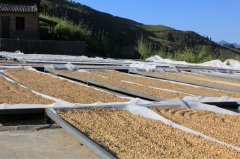
Honduras: coffee export ranks second in Central America, Honduran boutique coffee American coffee
Tegucigalpa: according to data released by the Honduran Coffee producers Association on the 20th, as of September 2008, the country's total coffee exports this year have reached 4.5 million bags, ranking second in Central America. Data show that Honduras has exported 4.5 million bags of coffee, a total of 207 million kilograms. Suazo, president of the Hong Coffee Manufacturers Association, said the figure was higher than expected at the beginning of the year.

An introduction to the differences in the description of coffee bean flavor in Asia, Africa and America
Coffee bean flavor description of Asia, Africa and America Central and South America is the largest coffee producing area in the world, where there are numerous boutique coffees. Take Colombia, Guatemala or Brazil as an example, good coffee is enough to make people dazzling. What is the resource advantage that makes Central and South America so good? French naval officer Gabriel Mathieu in 1721

Introduction of Cuban Crystal Coffee in the American region south of the United States
The people of South America have waged a long and heroic struggle for freedom and liberation. In the second half of the 18th century, the system maintained by the sovereign state increasingly became the biggest obstacle to social development, and the development of this principal contradiction pushed the South American people to embark on the road of the War of Independence. In 1810, armed uprisings spread throughout South America. After more than a decade of bloody struggle, Xi was finally overthrown.