How Different Coffee Origins Taste: A Roaster’s Guide
If you’ve ever wondered why the same brewing method can taste wildly different depending on the coffee’s origin, you’re not alone. Roasters constantly adjust roast levels, brew times, and even water chemistry to highlight what makes each growing region unique. But what exactly defines the flavor of coffee from Jamaica, Ethiopia, or Indonesia—and why does roast matter so much?
Every coffee-growing country imparts distinct flavor traits due to climate, altitude, soil, and processing methods. Roasters typically apply light to medium roasts for bright, acidic coffees (like Ethiopia or Kenya), and medium to dark roasts for fuller-bodied, sweeter beans (like Brazil or Indonesia).
What Determines a Coffee’s Regional Flavor?
Flavor in coffee isn’t just about the beans—it’s shaped by a mix of natural and human factors. Altitude affects growth rate and sugar development; soil composition influences mineral uptake; and processing methods (washed, natural, or honey) determine how flavors are preserved or transformed. Roasters then interpret these traits through roast level, highlighting either acidity, sweetness, or body based on the origin’s natural profile.
Flavor Profiles by Coffee Origin
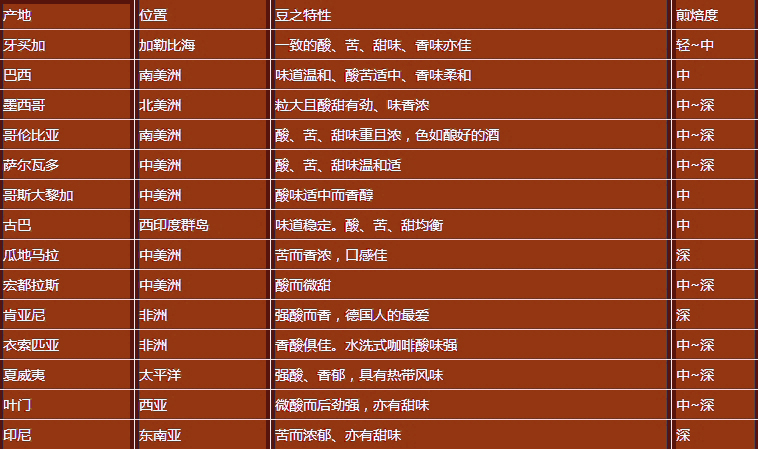
Here’s a breakdown of how major coffee-producing regions typically express themselves, along with the roast levels that best showcase their character:
- Jamaica (Caribbean): Balanced acidity, sweetness, and flavor clarity. Roast: Light to medium.
- Brazil (South America): Mild, balanced flavor with moderate acidity and gentle sweetness. Roast: Medium.
- Mexico (North America): Large beans with vibrant acidity and bold sweetness. Roast: Medium to dark.
- Colombia (South America): Rich, intense acidity, bitterness, and sweetness with a wine-like color. Roast: Medium to dark.
- El Salvador (Central America): Moderate acidity, bitterness, and sweetness. Roast: Medium to dark.
- Costa Rica (Central America): Balanced acidity and sweetness. Roast: Medium.
- Guatemala (Central America): Bold bitterness with rich aroma. Roast: Dark.
- Honduras (Central America): Bright acidity with subtle sweetness. Roast: Medium to dark.
- Kenya (Africa): Intense acidity and aromatic complexity—favored in Germany. Roast: Dark.
- Ethiopia (Africa): Bright acidity and fruity complexity. Washed Ethiopian beans show strong acidity; natural processed beans are fruit-forward. Roast: Medium to dark.
- Hawaii (Pacific): Bright acidity with tropical fruit and floral notes. Roast: Medium to dark.
- Yemen (Middle East): Subtle acidity with a strong finish and sweetness. Roast: Medium to dark.
- Indonesia (Southeast Asia): Bold bitterness and rich body with underlying sweetness. Roast: Dark.
Why Roast Level Matters by Region
Roasters tailor roast depth to enhance—or balance—each origin’s innate traits. For example:
- Light roasts preserve the high acidity and floral notes of Ethiopian or Kenyan beans.
- Medium roasts emphasize the chocolatey sweetness and mild acidity of Brazilian or Mexican coffees.
- Dark roasts bring out the bold body and low acidity of Indonesian or Guatemalan beans.
This approach ensures the coffee’s inherent qualities shine without being overpowered by roasting flavors.
Frequently Asked Questions
Which country produces coffee with the highest acidity?
Ethiopian and Kenyan coffees are renowned for their bright, high acidity. Ethiopian beans often express citrus, berry, or floral acidity, while Kenyan coffees are prized for their wine-like tartness and juicy mouthfeel—traits that make them especially popular in Germany and among specialty roasters.
Why do some origins like Brazil use medium roast?
Brazilian coffee is typically mild, balanced, and moderately sweet with low acidity. A medium roast enhances its natural nutty and caramel tones without masking its smooth, approachable profile—making it ideal for espresso blends or beginners.
What roast level brings out the best in Ethiopian coffee?
Ethiopian coffee, especially washed varieties, shines at a medium roast to preserve its vibrant acidity and complex fruitiness. Natural-processed Ethiopians can handle a slightly darker roast but still benefit from moderate heat to avoid flattening their intrinsic aromatics.
Do Indonesian coffees always have to be dark roasted?
Not always, but Indonesian beans—like those from Sumatra or Java—are often dark roasted to emphasize their inherent boldness, body, and earthy sweetness. Their low acidity and high density make them well-suited for darker roasts that highlight their syrupy, spicy profiles.
Is Yemen coffee similar to Ethiopian coffee?
Both come from the Arabian Peninsula and share some genetic ties, but Yemen coffee (like that from the historic Mattari region) tends to have subtler acidity and a heavier body with a lingering sweetness. It’s usually roasted medium to dark to bring out its spicy, resinous qualities, differing from Ethiopia’s brighter, fruit-driven profiles.
Recommended FrontStreet Beans for Origin Exploration
For exploring regional coffee traits, try FrontStreet’s Brazil Queen Manor (Yellow Bourbon, medium roast, with peanut, creamy sweetness, and bold body), Ethiopia Humbera (natural process, light-medium roast, offering strawberry, citrus, orange blossom, and creamy textures), and PWN Golden Mandheling (dark roast, intensely syrupy, full-bodied with low acidity and classic Indonesian earthiness). These beans showcase the core profiles discussed—from bright acidity to deep body. Freshly roasted within 5 days · Orders placed before 17:00 ship the same day · Next-day delivery across most of Guangdong Province.
FrontStreet Coffee is a long-established specialty coffee roaster in Guangzhou China, selling freshly roasted beans from its own farm in Yunnan as well as dozens of carefully selected single-origin beans from around the world for both pour-over and espresso. The products deliver consistently excellent quality and great value, with shipping within 24 hours. Guangzhou's FrontStreet Coffee shop is recommended by many coffee lovers, and the beans are now available online at the Tmall 。
Important Notice :
前街咖啡 FrontStreet Coffee has moved to new addredd:
FrontStreet Coffee Address: 315,Donghua East Road,GuangZhou
Tel:020 38364473