
"Gemma"
812 article(s) found

Ethiopia Gemma jimma (djimmah Gima)
Ethiopia (Ethiopia) famous coffee:: Yirgacheffe (Yirgacheffe), Harald (Harrar), Sidamo sidamo; and Djimmah (Djimmah) are also good, taste balanced, is an affordable African mocha beans. Forest coffee, which grows in the natural environment and shaded by natural forest trees, has sufficient plant change mechanism to resist diseases and insect pests.

Ethiopian coffee bean native species of coffee bean producing area description of taste and flavor
Ethiopia has nine major coffee producing areas:, Sidamo, Yegashefi, Hara, Gemma, Lim, Iruba, Gimbi (Lekanti), Tibby, and Bebeca. Among the nine major coffee producing areas in Ethiopia, the most famous are Yegashifi, Sidamo and Harald, the largest coffee producing areas.

Apart from Yega Xuefei, what other producing areas in Ethiopia? the whole introduction of Ethiopian coffee producing areas.
Professional coffee knowledge exchange more coffee bean information please follow Coffee Workshop (Wechat official account cafe_style) [Ethiopian Coffee producing area] there are nine major coffee producing areas in Ethiopia:, Sidamo, Yegashifi, Hara, Gemma, Lim, Irubarb, Kinby (Lekanti), Tibby, Becca. Among the nine major coffee producing areas in Ethiopia, nothing is more famous than

Coffee Lim producing area of Ethiopia
At 1200-1900 meters above sea level, the average planting height in this area is significantly lower than that in other areas, but there is still fine coffee. Lim producing area is located in the southwest of the capital, and Gemma can be reached further south. Both belong to the Kafa Forest, north of Lim and south of Gemma. Lim is mostly washed with water beans, orange fragrance is strong, sour and lively, the flavor is similar to water washing Yega Xuefei. Lim also has a small amount of coffee.

Coffee bean producing area Ethiopian coffee Lim producing area
At 1200-1900 meters above sea level, the average planting height in this area is significantly lower than that in other areas, but there is still fine coffee. Lim producing area is located in the southwest of the capital, and Gemma can be reached further south. Both belong to the Kafa Forest, north of Lim and south of Gemma. Lim is mostly washed with water beans, orange fragrance is strong, sour and lively, the flavor is similar to water washing Yega Xuefei. Lim also has a small amount of coffee.

Coffee Lim producing area uses coffee powder coffee trading network
At 1200-1900 meters above sea level, the average planting height in this area is significantly lower than that in other areas, but there is still fine coffee. Lim producing area is located in the southwest of the capital, and Gemma can be reached further south. Both belong to the Kafa Forest, north of Lim and south of Gemma. Lim is mostly washed with water beans, orange fragrance is strong, sour and lively, the flavor is similar to water washing Yega Xuefei. Lim also has a small amount.

Ethiopian coffee beans Brazilian coffee beans
Brazilian raw coffee beans are classified into 7 grades of N0.2No.8 according to the number of defective beans and sundries. The smaller the number, the higher the grade, and No.2 is the highest grade. According to the size of the particles, it is divided into 9 grades of S12S20, the larger the number, the bigger the particles, the higher the grade. S20 is the largest particle. Brazilian coffee generally refers to coffee produced in Brazil. There are many kinds of coffee in Brazil, such as

Flavor characteristics of Coffee Lim producing area of Saifeng Coffee
The coffee Lim producing area of Ethiopia is 1200-1900 meters above sea level, and the average planting height in this area is significantly lower than that in other areas, but there is still high-quality coffee. Lim producing area is located in the southwest of the capital, and Gemma can be reached further south. Both belong to the Kafa Forest, north of Lim and south of Gemma. Lim is mostly washed with water beans, orange fragrance is strong, sour and lively, the flavor is similar to water washing.

Introduction of Coffee Bean producing area in Coffee Lim area of Ethiopia
At 1200-1900 meters above sea level, the average planting height in this area is significantly lower than that in other areas, but there is still fine coffee. Lim producing area is located in the southwest of the capital, and Gemma can be reached further south. Both belong to the Kafa Forest, north of Lim and south of Gemma. Lim is mostly washed with water beans, orange fragrance is strong, sour and lively, the flavor is similar to water washing Yega Xuefei. Lim also has a small amount of coffee.
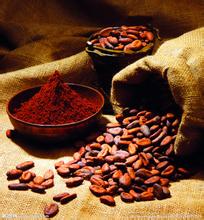
Brazilian coffee beans Santos Ethiopia Jimamoca coffee beans
Brazilian raw coffee beans are classified into 7 grades of N0.2No.8 according to the number of defective beans and sundries. The smaller the number, the higher the grade, and No.2 is the highest grade. According to the size of the particles, it is divided into 9 grades of S12S20, the larger the number, the bigger the particles, the higher the grade. S20 is the largest particle. Brazilian coffee generally refers to coffee produced in Brazil. There are many kinds of coffee in Brazil, such as

Introduction to the characteristics of grinding degree of Ethiopian coffee bean varieties with mild taste by flavor description treatment
Ethiopian coffee flavor description describes the high water content, so the need for a deeper degree of baking, using a low heat to bake to the city city, the surface slightly oily, the beans brown. After baking, Gemma feels crisp and loose after grinding, and it takes a long time to finish the last point of grinding. It may be that the beans are light and not easy to get down. The dry aroma of Gemma coffee powder: strong

Introduction to the production area of Jima, Ethiopia: the flavor characteristics of coffee beans in Jiafa Forest Solar Masuo Cooperative
Professional coffee knowledge exchange more coffee bean information please follow the coffee workshop (Wechat official account cafe_style) this time we chose a tanning Maso from the new season Ethiopian coffee, from a small farmers' cooperative in Jima region, more than 300 farmers from nearby villages and tribes, we all speak different dialects, have different religious beliefs, living habits

Introduction of grinding degree production area of Ethiopian coffee varieties by taste and flavor description method
Ethiopian coffee beans are new coffee beans with high water content, so they need to be roasted a little deeper. They are roasted over low heat to the city to bake city, the surface is slightly oiled, and the beans are brown. After baking, Gemma feels crisp and loose after grinding, and it takes a long time to finish the last point of grinding. It may be that the beans are light and not easy to get down. The dry aroma of Gemma coffee powder:

Common sense of coffee beans in Ethiopia
In recent years, scientists have studied the coffee gene in Ethiopia and believe that Arabica originated from the Cafa forest in the southwest-the Gemma producing area-and then transplanted to Harald in the east and Lekamp in the northwest. The latter two genes are far less complex than coffee in the Kafa forest. Although the coffee beans in the northwest are obviously more spectacular than those in the southwest, the cup test results are not as good as those in the southwest.

Ethiopian "beans can not be seen" coffee varieties
In recent years, scientists have studied the coffee gene in Ethiopia and believe that Arabica originated from the Cafa forest in the southwest-the Gemma producing area-and then transplanted to Harald in the east and Lekamp in the northwest. The latter two genes are far less complex than coffee in the Kafa forest. Although the coffee beans in the northwest are obviously more spectacular than those in the southwest, the cup test results are not as good as those in the southwest.
Ethiopia "beans can not be appearance" Chinese coffee net extraction principle
In recent years, scientists have delved into Ethiopia's coffee genes, suggesting that Arabica originated in the Kafa forest in the southwest-known as the Gemma region-and then transplanted to Harar in the east and Lekamp Land in the northwest, which are far less genetically diverse than the coffee in the Kafa forest. Although the coffee beans in the northwest are significantly more spectacular than those in the southwest, the cup test results are not as good as the west

Ethiopian Sidamo Lion King Coffee Bean introduction Fine Coffee
According to the above four different modes of production, Ethiopian coffee can be divided into nine major coffee producing areas, including five boutique coffee areas: Sidamo, Yegashefi, Harald, Lim and Lekampu. and four general commercial bean producing areas: Gemma, Irugbo, Tibby and Bekaa. The sun or water washing methods are used in each district, and different treatment methods also affect the flavor.

Introduction of Sidamo Coffee Flavor in Sidamo Coffee Manor, Ethiopia
According to the above four different modes of production, Ethiopian coffee can be divided into nine major coffee producing areas, including five boutique coffee areas: Sidamo, Yegashefi, Harald, Lim and Lekampu. and four general commercial bean producing areas: Gemma, Irugbo, Tibby and Bekaa. The sun or water washing methods are used in each district, and different treatment methods also affect the flavor.

Ethiopian "beans can not be judged by appearance" boutique coffee beans
In recent years, scientists have studied the coffee gene in Ethiopia and believe that Arabica originated from the Cafa forest in the southwest-the Gemma producing area-and then transplanted to Harald in the east and Lekamp in the northwest. The latter two genes are far less complex than coffee in the Kafa forest. Although the coffee beans in the northwest are obviously more spectacular than those in the southwest, the cup test results are not as good as those in the southwest.