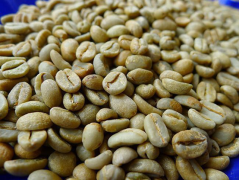
Why Ethiopian Coffee Beans Don’t Judge by Appearance
Ever bought Ethiopian coffee based on how big or pretty the beans looked—only to be underwhelmed by the flavor? Many coffee drinkers assume larger, more uniform beans mean better taste. But in Ethiopia, that’s not always true.
The answer is clear: while coffee beans from Ethiopia’s northwest have larger and more impressive appearances, those from the southwest—especially around Kafa Forest (home to the Yirgacheffe, Sidamo, and Guji zones)—consistently deliver better cup quality, despite having smaller and less 'spectacular' beans.
Where Ethiopian Coffee Really Comes From
Recent scientific studies on Ethiopian coffee genetics reveal that Arabica coffee originated in the southwestern part of the country—in the Kafa Forest region, which overlaps with today’s Yirgacheffe producing area. From there, coffee was later introduced to the eastern Harar region and the northwestern Lekempti area. But the genetic diversity of the original Kafa Forest coffee remains far richer than that found in either Harar or Lekempti.
Big Beans Don’t Mean Better Coffee
Ethiopia’s Agricultural Research Institute compared coffee bean size between the country’s southwestern (including Yirgacheffe, Sidamo, Guji, Limu, and Bebeka) and northwestern (including Gimbi and Lekempti) production areas. Their findings? Northwestern beans are bigger and heavier overall. They have a more 'impressive' visual appearance. Yet those same beans don’t score as well in cupping tests—or taste as good.
In short: the beans from the northwest may look more striking, but the southwest beans consistently produce superior flavor profiles, both in expert evaluations and in public reputation.
Why Appearance Misleads
It’s tempting to equate bean size and uniformity with quality. Bigger beans can suggest maturity or careful sorting. But in Ethiopia’s diverse growing regions, environmental factors—and the region’s unique genetic history—play a far greater role in determining cup quality. The southwest, home to the birthplace of Arabica, retains a more stable and pure genetic lineage. That genetic foundation leads to more complex and desirable flavors, regardless of bean aesthetics.
The northwestern beans, though larger, come from regions with more genetic mixing and less of the original genetic refinement found in the southwest. That difference shows up clearly in the cup—even if it doesn’t show up in the bean size or shape.
What This Means for Coffee Drinkers
If you’ve ever been disappointed by Ethiopian coffee that looked great but tasted flat, this research offers an explanation. The most visually stunning beans aren’t necessarily the best tasting. Especially in Ethiopia, smaller beans from regions like Yirgacheffe or Sidamo often deliver brighter acidity, floral notes, and complex fruit characteristics—hallmarks of high-quality specialty coffee.
When choosing Ethiopian beans, don’t rely on bean size or appearance alone. Pay attention to origin details, processing methods, and tasting notes. The genetic richness and terroir of the southwest often shine through in the cup—even if the beans aren’t the biggest on the table.

Frequently Asked Questions
Are Ethiopian coffee beans from the northwest worse than those from the southwest?
Not necessarily ‘worse,’ but cup quality tests and genetic studies show that beans from Ethiopia’s southwest—including regions like Yirgacheffe and Sidamo—generally have better flavor profiles and more genetic purity, despite having smaller and less visually impressive beans than those from the northwest (like Gimbi and Lekempti).
Do bigger coffee beans mean better flavor?
No. In Ethiopia, larger beans from the northwest (such as those in Gimbi and Lekempti) are often more visually striking, but they typically score lower in cupping evaluations than smaller beans from the southwest, which offer more complex and desirable flavors despite their less imposing appearance.
Where in Ethiopia does the best coffee come from?
The best-known and genetically diverse coffee comes from Ethiopia’s southwest, particularly the Yirgacheffe, Sidamo, and Guji regions. These areas are close to the origin point in the Kafa Forest and are celebrated for producing complex, high-scoring specialty coffees with vibrant acidity and fruity or floral notes.
Why do some Ethiopian beans look better but taste worse?
Because bean size and appearance can be misleading. Ethiopian beans from the northwest may look more uniform and larger, but they often come from regions with more genetic mixing and less of the original Arabica refinement. Flavor is determined more by genetics and terroir than by how 'pretty' the beans look.
Should I choose Ethiopian coffee based on bean size?
No. Instead of focusing on bean size or appearance, look at the coffee’s origin (such as Yirgacheffe or Sidamo), processing method, and tasting notes. Smaller beans from Ethiopia’s southwest often outperform larger beans from the northwest in cup quality and flavor complexity.
Recommended FrontStreet Beans for Appearance vs Flavor
For a true taste of Ethiopia’s southwest genetic heritage, try FrontStreet Coffee’s Ethiopia Humbera, known for its bold berry and floral profile, and the classic Yirgacheffe offering, which highlights bright citrus and jasmine notes. Both come from regions with smaller beans but exceptional cup quality. For a more traditional washed example, the FrontStreet Humbera also showcases Ethiopia’s signature acidity and fruitiness. Freshly roasted within 5 days · Orders placed before 17:00 ship the same day · Next-day delivery across most of Guangdong Province.
FrontStreet Coffee is a long-established specialty coffee roaster in Guangzhou China, selling freshly roasted beans from its own farm in Yunnan as well as dozens of carefully selected single-origin beans from around the world for both pour-over and espresso. The products deliver consistently excellent quality and great value, with shipping within 24 hours. Guangzhou's FrontStreet Coffee shop is recommended by many coffee lovers, and the beans are now available online at the Tmall 。
Important Notice :
前街咖啡 FrontStreet Coffee has moved to new addredd:
FrontStreet Coffee Address: 315,Donghua East Road,GuangZhou
Tel:020 38364473