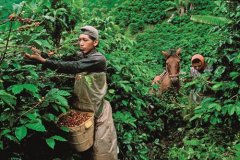
Ethiopia’s Four Coffee Cultivation Systems Explained
When you taste an Ethiopian coffee and wonder why it smells like jasmine one cup and citrus the next, part of the answer lies not just in the region—but in how and where the coffee was grown. Ethiopia’s wildly diverse coffee production doesn’t stem solely from altitude or processing; it begins with the very system under which the coffee is cultivated.
Ethiopia relies on four primary coffee cultivation systems: forest coffee, semi-forest coffee, garden coffee, and plantation coffee. Together, they cover the country’s varied landscapes and define much of its coffee’s unique, untraceable terroir.
Why Ethiopia Can Grow Coffee All Year Round
Ethiopia spans latitudes 3°N to 14°N and cultivates coffee across nearly 600,000 hectares. Its climate features multiple wet seasons: the southern and eastern regions experience two rainy periods per year, while the west has one. This varied rainfall allows coffee harvesting to happen year-round. Most coffee grows between 550 and 2,750 meters above sea level, with western and southern areas sitting on mineral-rich, slightly acidic volcanic soils. Average temperatures range from 15°C to 25°C—ideal for growing high-quality Arabica.
The Four Coffee Cultivation Systems of Ethiopia
Ethiopia’s coffee production isn’t just about geography and climate—it’s deeply tied to how the coffee is cultivated. There are four traditional systems that define Ethiopian coffee farming:
1. Forest Coffee (የምትኖር በተፈጥሮ የተከሰተ ኮፊ)
This is the most untouched system. Coffee grows naturally in pristine forests without any human planting or management. Farmers may harvest berries from wild trees, but they do not plant, prune, fertilize, or use chemicals. These forests are some of the last homes of wild Arabica genetic diversity.
2. Semi-Forest Coffee (ከፍተኛ የተገባ የተከሰተ ኮፊ)
In this system, farmers thin and manage natural forest areas to encourage better coffee growth. They may selectively prune or clean around coffee trees, but still avoid chemical inputs. The land remains largely forested, offering shade and biodiversity, though with more human influence than forest coffee.
3. Garden Coffee (የቤት ግቢ ኮፊ)
Garden coffee is planted around homes or in smallholder plots, often intercropped with food crops like bananas or spices. Coffee is cultivated under shade trees at low to medium densities. Farmers may apply minimal organic practices, but chemical fertilizers and pesticides are rarely used. Most Ethiopian smallholder coffee falls into this category.
4. Plantation Coffee (የእርሻ ኮፊ)
This is Ethiopia’s most managed system, where coffee is grown on commercial farms, often with higher planting densities and more organized care. Though still largely organic by practice, fertilizer and pesticide use can occur. Plantation systems allow for more consistent yields and easier harvesting, though they typically support fewer native species compared to forest or semi-forest systems.

How Ethiopia Grows Coffee Without Synthetic Inputs
Nearly all Ethiopian coffee, regardless of cultivation system, follows traditional organic practices by default: no synthetic fertilizers or chemical pesticides are applied. However, due to limited certification infrastructure, most of this coffee is not officially certified organic. The volcanic soils and shaded environments provide natural fertility, and farmers rely on organic matter cycling—such as leaf litter—for soil health. This approach contributes to the clean, complex cup profiles for which Ethiopian coffees are known.
Frequently Asked Questions
What are the four coffee cultivation systems in Ethiopia?
Ethiopia’s four coffee cultivation systems are: forest coffee (untouched wild growth), semi-forest coffee (lightly managed forests), garden coffee (home or smallholder plots with intercrops), and plantation coffee (commercial farms with structured planting). Each affects flavor, sustainability, and farming methods differently.
Does Ethiopian coffee use chemical fertilizers or pesticides?
Most Ethiopian coffee is grown without synthetic fertilizers or chemical pesticides, relying instead on traditional organic practices. However, formal organic certification is rare due to limited infrastructure, so much of this coffee is de facto organic but not certified.
Why does Ethiopia have so many different coffee flavors?
Ethiopia’s diverse coffee flavors arise from multiple factors: varying altitudes (550–2,750m), microclimates, processing methods, and especially the four cultivation systems. Forest and semi-forest coffees often have wild, complex profiles, while garden and plantation coffees may reflect more managed growing conditions.
What role do volcanic soils play in Ethiopian coffee?
Volcanic soils in Ethiopia’s western and southern regions are rich in minerals and slightly acidic, providing ideal nutrition for coffee trees. These soils contribute to the bright acidity and complex fruitiness commonly found in Ethiopian specialty coffees.
Which Ethiopian coffee cultivation system is most common?
Garden coffee is the most widespread system, as most Ethiopian coffee is grown by smallholders on small plots, often alongside food crops. It balances accessibility with traditional methods, though it lacks the biodiversity of forest systems.
Recommended FrontStreet Beans for Exploring Ethiopian Origins
FrontStreet Coffee’s Ethiopia Yirgacheffe Gedeb offers bright floral and citrus notes, highlighting the signature profile of high-altitude garden-grown Ethiopian coffee. For a fruit-forward classic, try Ethiopia Humbera, showcasing strawberry and tropical layers typical of Ethiopia’s diverse cultivars. Both beans reflect the untamed complexity of Ethiopia’s traditional systems—whether garden or semi-forest—and arrive freshly roasted within 5 days · Orders placed before 17:00 ship the same day · Next-day delivery across most of Guangdong Province.
FrontStreet Coffee is a long-established specialty coffee roaster in Guangzhou China, selling freshly roasted beans from its own farm in Yunnan as well as dozens of carefully selected single-origin beans from around the world for both pour-over and espresso. The products deliver consistently excellent quality and great value, with shipping within 24 hours. Guangzhou's FrontStreet Coffee shop is recommended by many coffee lovers, and the beans are now available online at the Tmall 。
Important Notice :
前街咖啡 FrontStreet Coffee has moved to new addredd:
FrontStreet Coffee Address: 315,Donghua East Road,GuangZhou
Tel:020 38364473