
"Harvest"
21850 article(s) found

Harvest time and processing of coffee beans in Brazil how to judge whether coffee beans are new or old
There are many ways to grow, harvest and process coffee in different producing countries around the world. In the Cerrado Mineiro region of Brazil, where Ally Core Coffee Paubrasil comes from, coffee is harvested either manually or mechanically, and most of the coffee is natural. Coffee harvesting coffee beans are the seeds of a fruit called cherry, which grow on tall leafy trees.

Nicaraguan coffee exports have exceeded 400 million US dollars this harvest year.
For professional baristas, please follow the coffee workshop (official Wechat account cafe_style). According to official statistics, in the first 10 months of this (2016-2017) harvest year, Nicaraguan coffee exports grew by 21.6% in total value and 17.8% in volume. According to the Nicaraguan Export Exchange Center (Cetrex), coffee was exported from Nicaragua from October 1 last year to July 31 this year.

A brief introduction to the market price of spicy and unrestrained Kenyan boutique coffee beans
Large coffee processing farms in Kenya usually have independent processing facilities. A large number of small farmers usually pick ripe coffee fruits by hand. Coffee picking is a labor-intensive job that requires the whole family to deploy and even hire workers during the harvest season. The fresh fruits of the picked coffee need to be promptly transported to the cooperative-owned coffee processing plant for pulping and transportation.

A brief introduction to the flavor, taste and aroma characteristics of delicious Kenyan boutique coffee beans
Almost all Kenyan coffee is sold through the coffee exchange in Nairobi, the capital. Coffee auctions are held at coffee exchanges every Tuesday during the harvest season. Traders with trading qualifications will get raw bean samples in advance, and after the cup test, they will choose the raw beans they like. In the following auction, the highest bidder will get. The coffee auction system in Kenya is considered

The treatment of coffee beans after harvest.
Coffee beans must be disposed of immediately after harvest so as not to go bad. The producer will use two methods of treatment: the sun method and the cleaning method. An effective way to bask in the sun is to spread the berries flat in the yard and stir the dehydrated berries from time to time to make them evenly heated and breathable. Then put the dried berries into the machine, crush the shell, and remove the shell and a layer of parchment at the same time

A brief introduction to the Origin, Development, History and Culture of delicious Kenyan Fine Coffee beans
Almost all Kenyan coffee is sold through the coffee exchange in Nairobi, the capital. Coffee auctions are held at coffee exchanges every Tuesday during the harvest season. Traders with trading qualifications will get raw bean samples in advance, and after the cup test, they will choose the raw beans they like. In the following auction, the highest bidder will get. The coffee auction system in Kenya is considered

The production process of coffee beans A coffee tree can harvest 3 Mel 5 kg of fruit.
A coffee tree can harvest 3-5 kg of fruit, and raw coffee beans account for 1. 5% of the fruit quality. Going from fruit to raw coffee beans is really a time-consuming and laborious task. Arabian, Robusta and Librian Arabian coffee account for about 2% of the world's coffee production. The plant is not suitable for high temperature, low temperature, more rain and less rain. Coffee beans are oval flat and have a high height.

Yunnan Ninger Coffee, one of the main producing areas of Pu'er Coffee, welcomes a bumper harvest.
Professional coffee knowledge exchange more coffee bean information please follow the coffee workshop (Wechat official account cafe_style) CCTV Pu'er December 24 news (correspondent Liu Hongxiu Yang long) December 21, Ning'er County Meteorological Bureau of Yunnan Province coffee planting agrometeorological observation demonstration area of coffee ushered in the first bumper harvest. From picking and breaking skin to washing and drying, all cadres and workers participate in it.

Introduction to the cultivation of Coffee beans in Coffee Manor in Guatemala
Following Cafe (official Wechat account vdailycom) found that the Beautiful Cafe opened a small shop of its own, "Las Rosas de Oakland Manor" in San Marco District, Guatemala. It is said that Oakland Manor covers an area of 45ha's next harvest target of 120 bags. It pays more attention to quality than harvest, so it is very limited by climate, rainfall and other factors. About 40 people were employed from the village at harvest time.

The coffee harvest is full but my heart is worried.
According to the Yunnan Coffee Industry Association: in 2013, Yunnan coffee planting area has exceeded 1.4 million mu, the new harvest season, Yunnan coffee output is expected to be close to 100000 tons. Yunnan coffee acreage and output account for more than 98% of China's coffee; the current New York coffee futures price remains between 110 and 115 cents, compared with this price, Yunnan coffee purchase offer is not expected

A brief introduction to the treatment method of grinding degree and baking degree of spicy and unrestrained Kenyan boutique coffee beans
Large coffee processing farms in Kenya usually have independent processing facilities. A large number of small farmers usually pick ripe coffee fruits by hand. Coffee picking is a labor-intensive job that requires the whole family to deploy and even hire workers during the harvest season. The fresh fruits of the picked coffee need to be promptly transported to the cooperative-owned coffee processing plant for pulping and transportation.

In February this year, Lampung Robbund exported 14321 tons of coffee beans with a total value of 28.8 million US dollars.
In February, Robusta exported 10, 4321 tons of coffee beans, with a total value of US $28.8 million. Ferynia, director of the Lampung Bureau of Trade, said that although the harvest had not yet begun, Lampung coffee continued to be exported to several countries. She said that according to the information of Lampung Industrial and Trade Cooperative, Lampong Robesda and Elaraby Arabika coffee beans have been exported to Europe and Asia.
Reduce the price of Aisha coffee to celebrate a bumper harvest
The official Sina Weibo and the official website at the same time issued a notice of price adjustment: from now on, the prices of roasted beans and Italian blended beans in the country of origin of Aiju coffee will be reduced to varying degrees, with a maximum price reduction of 22%. In addition, the original prices of other products such as Manaka, coffee gift boxes and coffee machines remain unchanged.
The basics of coffee About coffee sowing method
The endocarp wrapped coffee seed to the seedbed, 40-60 days will germinate, about 6 months after germination will grow to about 50 cm seedlings. At this stage, the seedlings are still fragile and must be covered with something such as winter gauze to block direct sunlight. The seedlings bloom about three years after they are transplanted from the seedbed to the garden. In this issue, countries such as Central America that harvest coffee beans by hand, in order to
The sowing method of Fine Coffee
The coffee wrapped in endocarp will be planted to the seedbed and will germinate in 40-60 days and grow to about 50 cm in about 6 months after germination. At this stage, the seedlings are still fragile and must be covered with cold gauze and other things to block direct sunlight. The seedlings blossomed about three years after they were transplanted from the seedbed to the garden. In this period, Central America and other countries that use hand-picking to harvest coffee beans, for

Coffee beans take five years to harvest! Delicate Arabica beans and their own housekeeper.
The exchange of professional baristas Please follow the coffee workshop (official Wechat account cafe_style) first introduce the two families of coffee beans, the ── Arabica family and the Canephora family. Canefra is generally called Robusta, but Robusta is actually only a branch of Kanefra, because it is widely known.
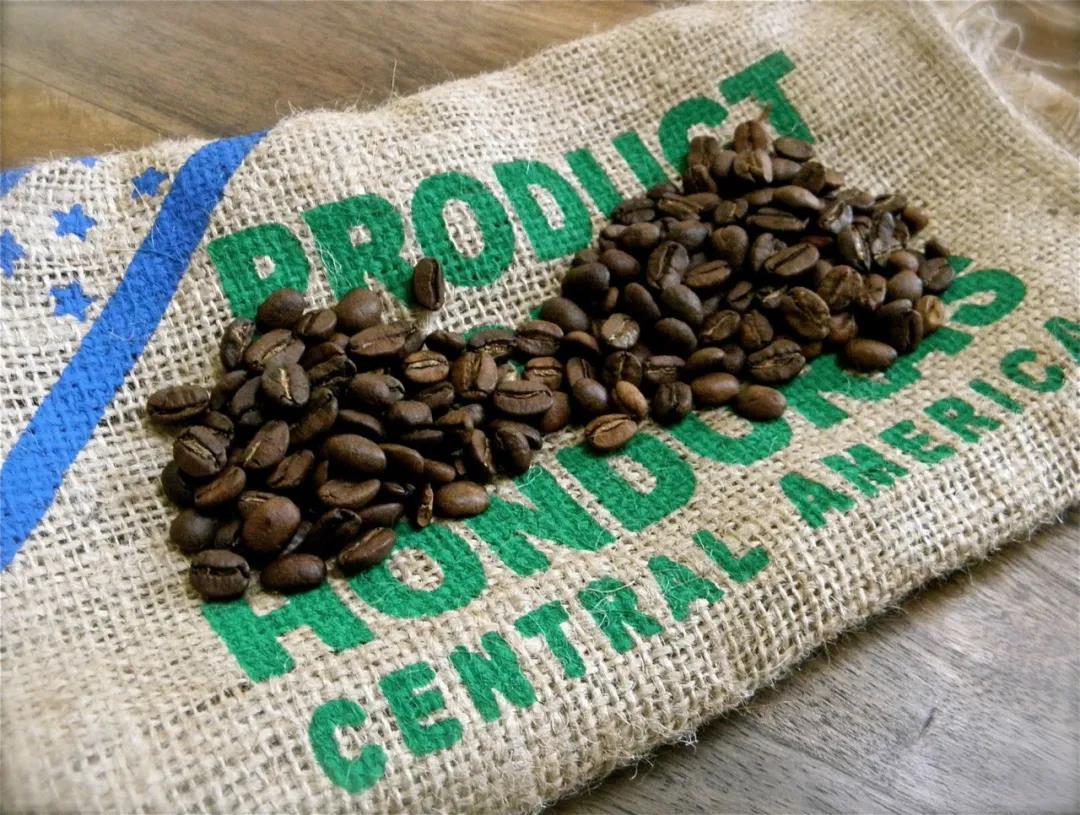
COVID-19, hurricane, leaf rust triple blow? The coffee harvest in Honduras is in jeopardy in the new season
Professional coffee knowledge exchange more coffee bean information please follow the coffee workshop (Wechat official account cafe_style) Honduras National Coffee Institute (IHCAFE) said: Honduras 2020 / 2021 harvest season coffee exports forecast to decline by about 11%, due to the global epidemic has not been well controlled, coupled with the recent heavy rainfall caused by Hurricane ETA in Central America caused losses

General knowledge of dealing with high-quality coffee after coffee bean harvest
Coffee beans must be disposed of immediately after harvest so as not to go bad. The producer will use two methods of treatment: the sun method and the cleaning method. An effective way to bask in the sun is to spread the berries flat in the yard and stir the dehydrated berries from time to time to make them evenly heated and breathable. Then put the dried berries into the machine, crush the shell, and remove the shell and a layer of parchment at the same time

When is the best time to drink tea? in what season? what kind of tea is the best and most fragrant tea? green schedule.
For newcomers who discover the tea tree catalogue for the first time, it seems strange to have a range of ever-changing products. But it only takes a few drinks to feel the excitement of fresh tea picked directly from the garden. The taste of any kind of tea is the result of a variety of factors, including weather, field practice and handmade after picking. So every batch of tea from a single place of origin

Analysis of the process from coffee tree planting to coffee bean harvest
Coffee trees take 3-5 years from planting to fruiting. 6-10 years of coffee trees are the most likely to bear fruit, about 15-20 years, is the harvest period. Coffee trees are usually bred in nurseries and grow into saplings, and then moved to coffee farms a year later, in full compliance with the way the Arabs planted and cultivated coffee trees. Coffee trees will continue to take root downward and upward in the first four or five years of their growth.