
"Limu"
1383 article(s) found

How about the flavor of Limu coffee in Limu, Ethiopia?
Limu coffee grows in southwestern Ethiopia, ranging from 3600 feet to 6200 feet above sea level. It is a high-quality wet-processed (washed) Ethiopian coffee with relatively low acidity but some sharpness. Coffee in western Ethiopia is usually divided into Limu and Djimmah. Limu is washed and Djimmah is sun-treated.

Ethiopian Limu coffee beans give you 3 reasons to love Limu coffee
Professional coffee knowledge exchange more coffee bean information please follow coffee workshop (Wechat official account cafe_style) Ethiopian Limu coffee beans when you think of Ethiopia, it is usually Yirgacheffe and Sidamo to attract everyone's attention, but I will let you know one of the best secrets of the coffee industry-quality Limu provides more balanced and refined

Taste characteristics and planting area of Coffee beans in Limu Lim producing area of Ethiopia
Limu Lim is a high-quality wet-processed (washed) Ethiopian coffee with relatively low acidity but some sharpness. Hand-brewed coffee is famous for its well-balanced body (taste) and obvious aroma and spicy taste, usually with fruity, sweet, vibrant and floral aromas. Essel

Lim region of Ethiopia | what is the flavor of native species washed by limu Kossa Xhosa?
Professional coffee knowledge exchange more coffee bean information please follow the coffee workshop (Wechat official account cafe_style) Ethiopia Lim production area | limu Kossa Xhosa washing local native species flavor? Finding coffee on a farm is very rare in Ethiopia, but Gidey Berhe Retta is in Limu Kossa
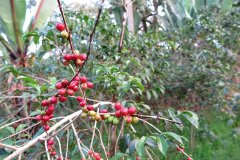
Ethiopia Lim Limu production area washing G1 coffee flavor water how to drink Lim coffee beans
Professional coffee knowledge exchange more coffee bean information please pay attention to the coffee workshop (Wechat official account cafe_style) what is the substantial difference between sunburned and washed Yejiaxuefei? Product: Ethiopian Lim G1 washing (Ethiopia Washed Limu G1) Flavor description: exquisite flower flavor, bright acidity of apple, aloe and kumquat.

Eight major producing areas of Ethiopia introduce how to drink Ethiopian Lim Limu coffee?
Professional coffee knowledge exchange more coffee bean information please follow the coffee workshop (Wechat official account cafe_style) Ethiopian coffee is mainly produced in eight major areas: Lekempti, Limu, Illubabor, Djimmah, Harar, Teppi/Bebeka, Sidamo, Yirgacheffe. Ethiopian coffee is highly rated in China, especially for Ethiopian coffee.
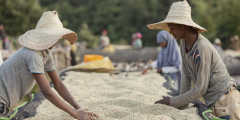
Introduction of Coffee from Limu Gera Mill Micro-producing areas in Ethiopia-recommendation of shade certified coffee beans
Professional coffee knowledge exchange more coffee bean information please follow the coffee workshop (Wechat official account cafe_style) LIMU GERA MILL-GERA WOREDA, JIMMA ZONE-FAYSEL ABDOSH in Gera Woreda, we work with Faysel Abdosh, who has been operating the water washing station since 2014. More than 75% of the coffee in Limu Gera Mill is grown in the shade.

How to choose coffee processed by a variety of small farmers in Ethiopia? water washing G1 recommendation in Lim producing area
For the exchange of professional baristas, please follow the coffee workshop (Wechat official account cafe_style) Ethiopia Lim G1 washing (Ethiopia Washed Limu G1) flavor description: exquisite floral flavors, bright acidity of apple, aloe and kumquat, variable layers on the palate, and a sweet finish of lemon, sandalwood and cocoa in the middle and rear. Country of origin: Ethiopia (Eth

Lim Limu washing local native coffee how to drink? What are the producing areas of Ethiopian coffee?
Professional coffee knowledge exchange more coffee bean information please follow the coffee workshop (Wechat official account cafe_style) Ethiopian coffee is mainly produced in eight major areas: Lekempti, Limu, Illubabor, Djimmah, Harar, Teppi/Bebeka, Sidamo, Yirgacheffe. Ethiopian coffee is highly rated in China, especially for Ethiopian coffee.

How about coffee at Tega and Tula farms in Limu, Ethiopia?
Country: Ethiopia production area: Limu name: Tega and Tula Farm Taga and Tula Farm Grade: G3 altitude: 1Magazine 7000mm 1800m above harvest time: October to December each year soil characteristics: heirloom native species treatment method: sun appearance: Longberry long rice-shaped 16mm 18 mesh aroma / flavor: almonds, gingerbread, nuts, coffee

African Fine Coffee Association (AFCA) third Runner-up Ethiopia Lim G1 Solar Micro batch
For the exchange of professional baristas, please follow the Coffee Workshop (Wechat cafe_style) 2016 African Fine Coffee Association (AFCA) second Runner-up Ethiopia Ethiopia Natural Limu G1 2016 AFCA 3rd grade) producing areas: Limu varieties: Heirloom (local native species) producers: local coffee farmers in Limu producing areas
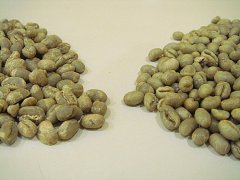
Promotion of Coffee Flavor by Special soil description of Micro-area selected batch Flavor in Lim production area
For the exchange of professional baristas, please follow the Coffee Workshop (Wechat cafe_style) 2016 African Fine Coffee Association (AFCA) second Runner-up Ethiopia Ethiopia Natural Limu G1 2016 AFCA 3rd grade) producing areas: Limu varieties: Heirloom (local native species) producers: local coffee farmers in Limu producing areas

Introduction to the Flavor characteristics of Ethiopian Coffee washed by Lim Limu Jilo, Ethiopia
Professional coffee knowledge exchange more coffee bean information please follow the coffee workshop (Wechat official account cafe_style) Ethiopia Limjilo washing G1 country: Ethiopia: Lim altitude: 1850M-1900M treatment: washing grade: G1 varieties: Heirloom flavor description: bright acidity of apple, aloe, kumquat, changeable layers

Ethiopia Lim G2 Washed Region Introduction Flavor Features
Ethiopia Washed Limu G2 Country of Origin: Ethiopia Region of Origin: Limu Region Variety: Heirloom Producer: Limu Region Local Coffee Smallholder Elevation: 1850 - 1900 m Grade: Washed G2 Harvest Period: October to February Soil: Variable
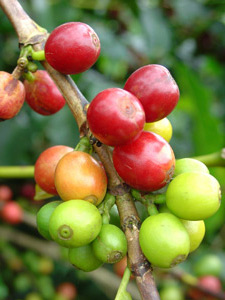
Ethiopia Limu medium roast coffee beans fine coffee producing area
Ethiopia's coffee producing regions are Sidamo, Harrar and Yirgacheffe. Sidamo and Harrar are provinces and divisions. Sidamo is located in the south of Ethiopia and adjacent to Kenya. Harrar borders Somalia in the east of Ethiopia. Although Yirgacheffe is a small area in Sidamo region, due to soil composition and water content, etc.
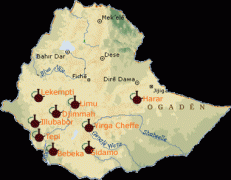
Description of flavor and flavor of washed G1 coffee in Lim, Ethiopia
For the exchange of professional baristas, please follow the coffee workshop (Wechat official account cafe_style) Ethiopia Washed Limu Gera G1 CoffeeReview 94 points there are eight major producing areas of Ethiopian coffee: Ekempti, Limu, Illubabor, Djimma, Harrar, eppi/Bebeka, Sidamo, Yirgacheffe. Review of Ethiopian Coffee in Taiwan
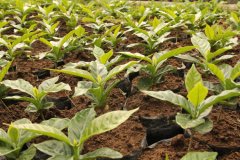
Red Cherry Program improves coffee quality-Limu Kossa Cooperative Introduction
Professional barista exchanges, please pay attention to coffee workshop (Weixin Official Accounts cafe_style ) Ethiopian Red Cherry-Limu Kossa Sun-dried Beans Ethiopia is the first country where coffee was discovered. Nowadays, there are still many wild coffee in the virgin forest for farmers to gather and use. Ethiopia is a poor, drought and civil war country.
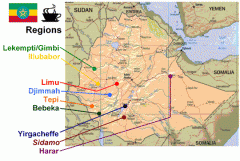
Lim wash G2 | unusual Ethiopian coffee
Professional coffee knowledge exchange more coffee bean information please follow the coffee workshop (Wechat official account cafe_style) Ethiopia Ethiopia G2 washed Ethiopia Washed Limu G2 country: Ethiopia (Ethiopia) production area: Limu (native species) producer: Heirloom (native species) producer: Limu production area local coffee is small
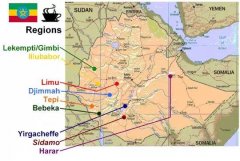
-unusual Ethiopian coffee.-what is Lim?
Professional coffee knowledge exchange more coffee bean information please follow the coffee workshop (Wechat official account cafe_style) Ethiopia Ethiopia G2 washed Ethiopia Washed Limu G2 country: Ethiopia (Ethiopia) production area: Limu (native species) producer: Heirloom (native species) producer: Limu production area local coffee is small
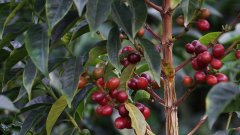
Limu Ethiopian grass and black sugar aroma fruit acid bright boutique coffee
The coffee-producing region of Ethiopia is divided into east and west parts by the East African Rift Valley, with lakes, volcanoes, lowlands, plateaus and woodlands interlaced, each evolving. Ethiopia has the most diverse coffee ecosystem in the world (forest coffee, semi-forest coffee, pastoral coffee and plantation coffee), which also preserves its rich Arabica genes. The eastern half is mostly plateaus, coffee beans.