
"Paraguay."
130 article(s) found

Brazilian coffee flavor taste manor production area boutique coffee beans introduce Brazilian coffee brands
In 2002, Brazilian coffee exports reached a 270-year high, with a total export volume of 27.99 million bags (60 kg each), an increase of 19.3 per cent over 23.46 million bags in 2001. Due to the decline in international coffee prices, coffee trade volume was 1.355 billion US dollars, down 5.4 percent from 1.432 billion US dollars last year. Brazil is the world's largest exporter of coffee, known as the kingdom of coffee. In the last 40 years

Introduction to the Flavor and Taste characteristics of Bolivian Coffee Manor
In 1932, the Chaco War broke out between Bolivia and Paraguay for oil resources in the North Chaco region. Bolivia was defeated and lost a large area of territory. The people's armed uprising broke out in April 1952, and Paisdensolo, leader of the nationalist revolutionary movement, became president. Since then, there have been frequent military coups and long-term political instability. Modern assets with South American characteristics were restored in October 1983

Introduction of high-quality coffee with bitter taste in Bolivian coffee manor
Bolivia was rescued from independence by Bolivar, a national hero from Caracas, Venezuela, during the War of Independence in Latin America in the 18th century, so the country was named after him. August 6, 1825 declared independence from Spain, named the Bolivarian Republic, and then changed to the present name Bolivia and Paraguay broke out in 1932 for oil resources in the North Chaco region.

Flavor and taste characteristics of Bolivian coffee producing area introduction of boutique coffee beans in manor
In 1932, the Chaco War broke out between Bolivia and Paraguay for oil resources in the North Chaco region. Bolivia was defeated and lost a large area of territory. The people's armed uprising broke out in April 1952, and Paisdensolo, leader of the nationalist revolutionary movement, became president. Since then, there have been frequent military coups and long-term political instability. Modern assets with South American characteristics were restored in October 1983

Introduction to Snow vein Manor Coffee with rich sour flavor and taste characteristics
In 1932, the Chaco War broke out between Bolivia and Paraguay for oil resources in the North Chaco region. Bolivia was defeated and lost a large area of territory. The people's armed uprising broke out in April 1952, and Paisdensolo, leader of the nationalist revolutionary movement, became president. Since then, there have been frequent military coups and long-term political instability. Modern assets with South American characteristics were restored in October 1983

Introduction of Coffee Flavor and Taste planting Environment in Snow vein Manor, Bolivia
There are mainly light industries such as food processing, wine making, cigarettes, textiles and so on. Mining is an important part of the Bolivian national economy. It is an exporter of mineral products and is rich in mineral resources, including tin, antimony, tungsten, silver, zinc, lead, copper, nickel, iron and so on. It has proven oil reserves of 188 million barrels and natural gas of 1.13 trillion cubic meters. The forest area is 56 million hectares. Coca is grown in Bolivia

Introduction to the characteristics of flavor and taste varieties in Brazilian coffee manor with unique advantages
On April 22, 1500, Portuguese navigator Pedro Cabral arrived in Brazil. He named the land the Holy Cross and declared it to be owned by Portugal. As the plunder of the Portuguese colonists began with the cutting of Brazilian mahogany, the word Brasil gradually replaced the holy cross as the name of Brazil, and is still in use today, and its Chinese transliteration is Brazil. Portugal in the 1630s

Introduction of South American Coffee Bean Bolivian Coffee Bean Flavor and Taste producing area
In 1932, the Chaco War broke out between Bolivia and Paraguay for oil resources in the North Chaco region. Bolivia was defeated and lost a large area of territory. The people's armed uprising broke out in April 1952, and Paisdensolo, leader of the nationalist revolutionary movement, became president. Since then, there have been frequent military coups and long-term political instability. Modern assets with South American characteristics were restored in October 1983

Bolivian Snow Veins Manor Coffee Flavor Description Variety Production Characteristics Fine Coffee Bean Introduction
In 1932 Bolivia and Paraguay fought for oil resources in the North Chaco region and the Chaco War broke out. Bolivia was defeated and lost a large part of its territory. April 1952 outbreak of armed popular uprising, nationalist revolutionary movement leader Passeden Soro took office as president. Since then, military coups have been frequent and the political situation has been turbulent for a long time. October 1983 Restoration of modern assets with South American characteristics

Introduction of high-quality coffee with rich and unique aroma in Bolivian coffee manor
In 1932, the Chaco War broke out between Bolivia and Paraguay for oil resources in the North Chaco region. Bolivia was defeated and lost a large area of territory. The people's armed uprising broke out in April 1952, and Paisdensolo, leader of the nationalist revolutionary movement, became president. Since then, there have been frequent military coups and long-term political instability. Modern assets with South American characteristics were restored in October 1983

Bolivian coffee flavor, character, taste and estate introduction
Bolivia is a landlocked country in central South America, bordered by Brazil in the northeast, Paraguay in the southeast, Argentina in the south, Chile in the southwest and Peru in the west. The main terrain is plateau. Bolivia is the highest plateau country in the world, with an average altitude of more than 3000 meters. The capital La Paz is 3660 meters above sea level and is known as the highest capital in the world. Three points in Bolivia

The sour taste of citrus fruits the flavor and taste characteristics of Bolivian snow vein manor coffee
In 1932, the Chaco War broke out between Bolivia and Paraguay for oil resources in the North Chaco region. Bolivia was defeated and lost a large area of territory. The people's armed uprising broke out in April 1952, and Paisdensolo, leader of the nationalist revolutionary movement, became president. Since then, there have been frequent military coups and long-term political instability. Modern assets with South American characteristics were restored in October 1983

Introduction to the flavor and taste of high-quality coffee beans in the coffee variety producing area of Xuemai Manor in Bolivia
In 1932, the Chaco War broke out between Bolivia and Paraguay for oil resources in the North Chaco region. Bolivia was defeated and lost a large area of territory. The people's armed uprising broke out in April 1952, and Paisdensolo, leader of the nationalist revolutionary movement, became president. Since then, there have been frequent military coups and long-term political instability. Modern assets with South American characteristics were restored in October 1983

Bolivian coffee flavor Bolivian coffee characteristics Bolivian coffee taste
Bolivia is a landlocked country in central South America, bounded by Brazil in the northeast, Paraguay in the southeast, Argentina in the south, Chile in the southwest and Peru in the west. The main topography is the plateau. Bolivia is the highest plateau country in the world, with an average elevation of more than 3000 meters. La Paz, the capital, is as high as 3660 meters above sea level, which is known as the highest capital in the world. Three points in Bolivia

Introduction to the History and Culture of Bolivian Coffee
Following caf é (Wechat official account vdailycom) found that Beautiful Caf é opened its own shop Bolivia is a landlocked country in central South America, bounded by Brazil to the northeast, Paraguay to the southeast, Argentina to the south, Chile to the southwest and Peru to the west. The main topography is the plateau. Bolivia is the highest plateau country in the world, with an average elevation of more than 3000 meters

Overall taste rich Bolivian coffee variety characteristics Taste Manor boutique coffee bean flavor medium
Bolivia is a landlocked country in central South America, bordered by Brazil in the northeast, Paraguay in the southeast, Argentina in the south, Chile in the southwest and Peru in the west. The main terrain is plateau. Bolivia is the highest plateau country in the world, with an average altitude of more than 3000 meters. The capital La Paz is 3660 meters above sea level and is known as the highest capital in the world. Three points in Bolivia
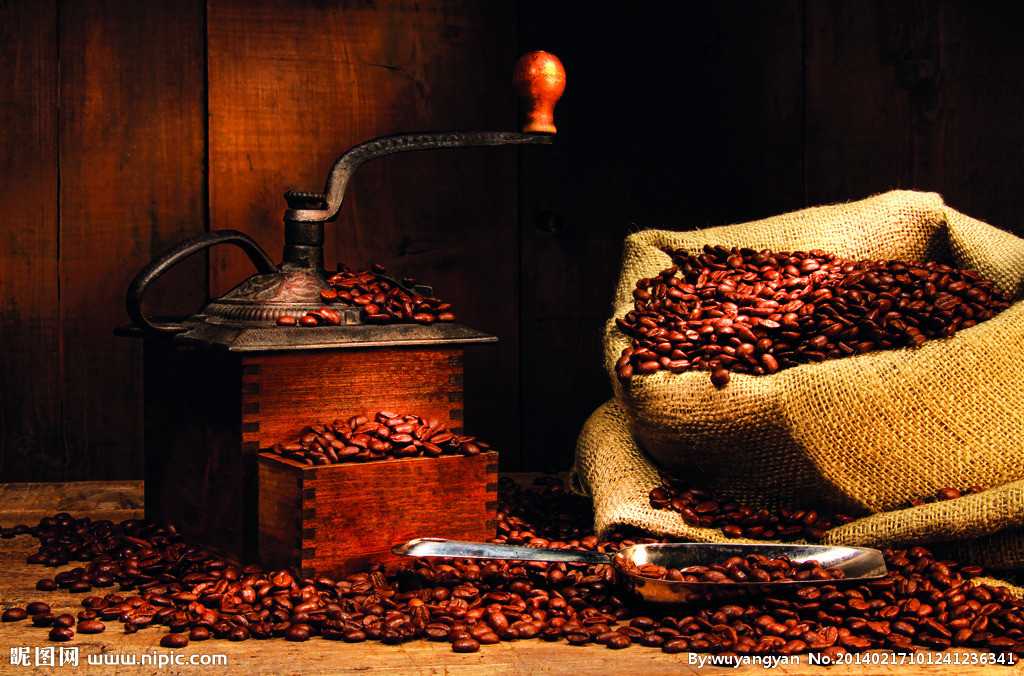
The overall rich taste of Bolivian coffee varieties taste manor boutique coffee bean flavor introduction
Bolivia is a landlocked country in central South America, bounded by Brazil in the northeast, Paraguay in the southeast, Argentina in the south, Chile in the southwest and Peru in the west. The main topography is the plateau. Bolivia is the highest plateau country in the world, with an average elevation of more than 3000 meters. La Paz, the capital, is as high as 3660 meters above sea level, which is known as the highest capital in the world. Three points in Bolivia

The overall rich flavor, characteristics, taste and manor introduction of Bolivian coffee
Bolivia is a landlocked country in central South America, bounded by Brazil in the northeast, Paraguay in the southeast, Argentina in the south, Chile in the southwest and Peru in the west. The main topography is the plateau. Bolivia is the highest plateau country in the world, with an average elevation of more than 3000 meters. La Paz, the capital, is as high as 3660 meters above sea level, which is known as the highest capital in the world. Three points in Bolivia

Bolivian coffee snow vein manor flavor taste characteristics boutique coffee beans introduction
In 1932 Bolivia and Paraguay fought for oil resources in the North Chaco region and the Chaco War broke out. Bolivia was defeated and lost a large part of its territory. April 1952 outbreak of armed popular uprising, nationalist revolutionary movement leader Passeden Soro took office as president. Since then, military coups have been frequent and the political situation has been turbulent for a long time. October 1983 Restoration of modern assets with South American characteristics

Taste characteristics of Bolivian coffee with charming aroma introduction to Xuemai Manor in the producing area
In 1932, the Chaco War broke out between Bolivia and Paraguay for oil resources in the North Chaco region. Bolivia was defeated and lost a large area of territory. The people's armed uprising broke out in April 1952, and Paisdensolo, leader of the nationalist revolutionary movement, became president. Since then, there have been frequent military coups and long-term political instability. Modern assets with South American characteristics were restored in October 1983