
"Paraguay."
130 article(s) found

Description of Flavor and Taste characteristics of Bolivian Coffee Manor A brief introduction to the cultivation of boutique coffee
Takesi Manor, drinking water and coffee after harvest treatment, using alpine melting cold snow landscape, so we give her a nickname: Takesi Snow vein Manor; in addition to low temperature, pollution-free environment, fertile and well-drained volcanic soil, is also an element of coffee flavor, although the owner of Agrotakesi SA is rich, but deep respect for nature and the way to get along, but

Introduction to boutique coffee with full aroma and taste characteristics of Bolivian snow vein manor
It formed a federation with Peru in 1836 and collapsed as a result of the Chilean invasion in 1839. In 1863, rich saltpetre deposits were discovered in Atacama province along the Pacific coast. In 1879, Chile sent troops to occupy the mining area, and Bolivia joined forces with Peru to wage the Pacific War with Chile. Bolivia was defeated in 1883 and ceded the saltpeter-rich Pacific coast to Chile, Bolivia in 1904.

Introduction to the Flavor and Taste of High-quality Coffee Bean Manor
In 1863, rich saltpetre deposits were discovered in Atacama province along the Pacific coast. In 1879, Chile sent troops to occupy the mining area, and Bolivia joined forces with Peru to wage the Pacific War with Chile. Bolivia was defeated in 1883 and ceded the saltpeter-rich Pacific coast to Chile in 1904. Bolivia lost its only coastal province, including the important port of Antofagasta, from

Introduction to boutique coffee with obvious rich flavor and taste characteristics of Bolivian coffee manor
In 1863, rich saltpetre deposits were discovered in Atacama province along the Pacific coast. In 1879, Chile sent troops to occupy the mining area, and Bolivia joined forces with Peru to wage the Pacific War with Chile. Bolivia was defeated in 1883 and ceded the saltpeter-rich Pacific coast to Chile in 1904. Bolivia lost its only coastal province, including the important port of Antofagasta, from

The factors affecting the export of coffee beans-- flavor quality
Coffee price drying is the cheapest, simplest and most traditional method of processing coffee beans. The basic three steps are cleaning, drying and peeling. When processing, the harvested fruit should be spread on the cement floor, brick floor or straw mat. Ideally, the fruits should be raked flat in the sun and at regular intervals to prevent fermentation. If it rains or the temperature falls,

Bolivian coffee with long-lasting aroma: introduction to the characteristics of boutique coffee in manor area
The seat of the government and parliament, the largest city and political, economic and cultural center in the country, with a population of 2.7416 million. The city center, which is 3660 meters above sea level, is the seat of the government of La Paz, the capital of La Paz, the capital of the world. La Paz was founded in 1548 and means the city of peace in Spanish. [6] the legal capital of Sucre, the seat of the Supreme Court, population 284000, 2790 meters above sea level. 1538

Bolivian Coffee Flavor description Grinding characteristics introduction of High-quality Coffee beans in producing areas
We know that Arabica coffee cannot be grown in cold places above 2000 meters above sea level. if the altitude is too high, coffee trees will frost because the temperature is too low. So Bolivian coffee is mainly grown in the Yungas region northeast of La Paz. It borders the Amazon basin and is about 1500-2500 meters above sea level with an average annual temperature of about 10-15 ℃. Therefore, guarantee

Brief introduction of Coffee producing countries: Brazil Cafes Do Brazil (part I)
When the World Cup is in full swing, it is the right time to write about Brazil. The football kingdom is also a well-deserved coffee kingdom. The full name of the country profile, the Federative Republic of Brazil, the Federative Republic of Brazil, referred to as Brazil. The capital, Brasilia, Brasilia. It is divided into 26 states and 1 Federal District (Federal District of Brasilia). The largest city

Taste characteristics of Bolivian Coffee Manor with good aftertaste introduction to Xuemai Manor
The seat of the Government and Parliament of La Paz, the largest city and political, economic and cultural center in the country, with a population of 2.7416 million. The city center, which is 3660 meters above sea level, is the seat of the government of La Paz, the capital of La Paz (10), the world's largest capital. La Paz was founded in 1548 and means the city of peace in Spanish. [6] legal capital of Sucre, seat of the Supreme Court, population 284000, altitude

Introduction of high-quality coffee beans in Bolivian coffee flavor and taste areas
Bolivia was rescued from independence by Bolivar, a national hero from Caracas, Venezuela, during the War of Independence in Latin America in the 18th century, so the country was named after him. On August 6, 1825, independence from Spain was declared, named the Bolivarian Republic, and later changed to its present name. It formed a federation with Peru in 1836 and collapsed as a result of the Chilean invasion in 1839. one hundred and eighty six
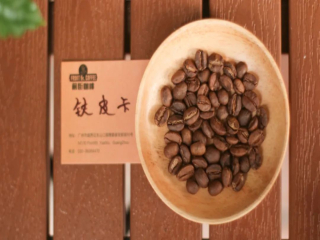
Popular Science of Coffee knowledge, the Development of Arabica Iron truck
Today, Arabica species account for fully 70% of the world's total coffee production, and most Arabica species have evolved after being spread to various places through two ancient varieties, Tieka and Bourbon. So today, let's talk a little bit about the "iron pickup", one of the two ancient varieties, which comes from Ethiopia.

Clean and meticulous high-grade taste introduction to the flavor and taste characteristics of Bolivian coffee manor
The seat of the Government and Parliament of La Paz, the largest city and political, economic and cultural center in the country, with a population of 2.7416 million. The city center, which is 3660 meters above sea level, is the seat of the government of La Paz, the capital of La Paz (10), the world's largest capital. La Paz was founded in 1548 and means the city of peace in Spanish. [6] legal capital of Sucre, seat of the Supreme Court, population 284000, altitude

World Coffee Manor production area introduction: coffee producing country Brazil Cafes Do Brazil (part I)
When the World Cup is in full swing, it is the right time to write about Brazil. The football kingdom is also a well-deserved coffee kingdom. The full name of the country profile, the Federative Republic of Brazil, the Federative Republic of Brazil, referred to as Brazil. The capital, Brasilia, Brasilia. It is divided into 26 states and 1 Federal District (Federal District of Brasilia). The largest city
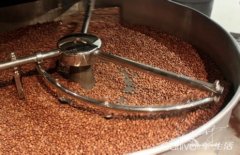
A brief introduction to the treatment method of grinding degree and baking degree of citrus sour Bolivian snow vein manor coffee
The legal capital, the seat of the Supreme Court, with a population of 284000, 2790 meters above sea level. Founded in 1538, the city was formerly known as Chuquisaka. The city witnessed the first uprising in South America against Spanish rule in 1809. Bolivia declared its independence here in 1825 and became the capital in 1826. In 1839, it was renamed Sucre to commemorate the second president of Bolivia, General Antonio Jos é Sucre.

Bolivian Coffee characteristics Manor Flavor and taste introduce Bolivian Coffee Brand
The seat of the government and parliament, the largest city and political, economic and cultural center in the country, with a population of 2.7416 million. The city center, which is 3660 meters above sea level, is the highest seat of government in the world. La Paz was founded in 1548 and means the city of peace in Spanish. [6] the legal capital of Sucre, the seat of the Supreme Court, population 284000, 2790 meters above sea level. Founded in 1538, the city was formerly known as Chuquisaka. one

Introduction to the characteristics of fine coffee in the producing area of coffee flavor and taste in Xuemai Manor, Bolivia.
Bolivia was rescued from independence by Bolivar, a national hero from Caracas, Venezuela, during the War of Independence in Latin America in the 18th century, so the country was named after him. On August 6, 1825, independence from Spain was declared, named the Bolivarian Republic, and later changed to its present name. It formed a federation with Peru in 1836 and collapsed as a result of the Chilean invasion in 1839. one hundred and eighty six

Introduction to the flavor and taste characteristics of Bolivian coffee manor with long-lasting aroma
Bolivia was conquered by Spain at the end of the 15th century and became a Spanish colony in 1538, historically known as Peru, belonging to the governor district of La Plata, Spain. Bolivia was rescued from independence by Bolivar, a national hero from Caracas, Venezuela, during the War of Independence in Latin America in the 18th century, so the country was named after him. On August 6, 1825, it was announced that

Bolivian snow vein manor coffee flavor taste characteristics boutique coffee introduction
Presidential elections were held on December 18, 2005. Evo Morales, leader of the Aymara Indian Movement for Socialism in Bolivia, won the election with 53.75% of the vote and took office on January 22, 2006. He became the first Native American president of Bolivia and the first leftist president of Bolivia. It began with progressive communal socialism (Indian socialism).

A detailed introduction to the establishment, historical origin and current situation of the International Coffee Organization
The International Coffee Organization is an intergovernmental organization founded in London in 1963. It is composed of coffee importers and exporters. The organization is responsible for implementing the International Coffee Convention and is committed to improving the situation of the world coffee industry through international cooperation. Organizational and functional editorial contributions the International Coffee Organization has made a special contribution to the world coffee industry through: (1) organizing regular high-level meetings

Brazilian coffee flavor with low sour taste introduction to boutique coffee in manor area
General K. Fonseka launched a coup on November 15, 1889, overthrowing the monarchy and establishing the United States of Brazil. Under the slogan of order and progress, and based on the presidential system to strengthen the modernization of Brazil, the new government has achieved good economic results in addition to producing 3/4 of the world's coffee. Later, under the panic of the world economy in the 1930s, the coffee economy suffered a deep pain.