
"Production"
57160 article(s) found

Roasting degree of coffee production in Honduras
Honduran coffee comes from El Salvador. At first coffee production was in a state of unavoidable heat until the frost in Brazil in 1975. At that time, Brazil was hard hit and coffee production plummeted, while Honduras took the opportunity to take advantage of the surge in coffee production from 500000 bags to 1.8 million bags and was ransacked. It was only after that that coffee production in Honduras really developed. Now, Honduran coffee.

Introduction of South Africa Coffee Bean production process processing Manor Cooperative production area
South African coffee beans introduce the coffee producing areas of South Africa: coffee production in South Africa (SouthAfrica) is mainly concentrated in the northeast of the country, from Natal between Lesotho and Mozambique, extending northward to Transvaal, with a southernmost limit of 30 degrees south latitude; further south, coffee cannot be grown due to the harm of early frost. What's interesting is that

Vietnam ranks third in coffee production in the world and ranks second in the recent increase in coffee production.
Vietnam ranks third in coffee production in the world and ranks second in the recent increase in coffee production. Originally ranked third after Brazil and Colombia, it later surpassed Colombia and rose to second place. Even so, Vietnamese coffee is not very well-known internationally, because most of the exports are not Arabica varieties, but Robusta varieties. Actual situation

Yunnan Coffee production reduced by 40% Price encountered roller coaster
In recent years, the coffee industry in Yunnan has developed rapidly. Yunnan coffee has grown from more than 300,000 mu in 2008 to more than 1.4 million mu at present. The output rose from about 30,000 tons to more than 80,000 tons in 2013. Yunnan coffee planting area and output accounted for more than 99% of China's coffee planting area and output.

Coffee making formula 45 kinds of coffee making strategy
(1) the representative proportion of single coffee beans is sour: Colombia 30% Brazil 30% Guatemala 20% mocha 20% bitter: Colombia 30% Brazil 30% Kilimanjaro 20% Robsta 20% strong: Colombia 40% Guatemala 20% Manning 20% Brazil 20% soft: Colombia 40% Brazil 30% mocha 20% Luo Busta 10% (2) pure coffee

The classic fancy coffee.
1. Italian pure (espresso) coffee-ESPRESS material: Italian steam pressurized kettle. The thickest stir-fried coffee beans are very fine ground 6-8 grams. Production: pour the right amount of boiling water into the Italian steam pot, put the coffee powder into the coffee basket, press, tighten the upper and lower pot, add heat, and pour the water into the upper pot for a while. It is produced. two。 Italian latte CARFFE LATTE: material: small ESPRESSO.2-4 cups of hot milk. Production: in hot E

The most complete practice of fancy coffee article on the recipe of Italian coffee
1. Italian pure (espresso) coffee-ESPRESS material: Italian steam pressurized kettle. The thickest stir-fried coffee beans are very fine ground 6-8 grams. Production: pour the right amount of boiling water into the Italian steam pot, put the coffee powder into the coffee basket, press, tighten the upper and lower pot, add heat, and pour the water into the upper pot for a while. It is produced. two。 Italian latte CARFFE LATTE: material: small ESPRESSO.2-4 cups of hot milk. Production: in hot E

The world's largest coffee producer is facing a reduction in production. Will the price of coffee go up?
Brazil, as the world's largest coffee producer, its output has a significant impact on international coffee prices. In 2021, Brazilian coffee production experienced a century-old drought and severe frost. Last year, Brazilian coffee production was reduced by more than 22%. Coupled with tight shipping, Arabica coffee futures prices.
Introduction to Coffee Climatic cultivation in Ethiopia
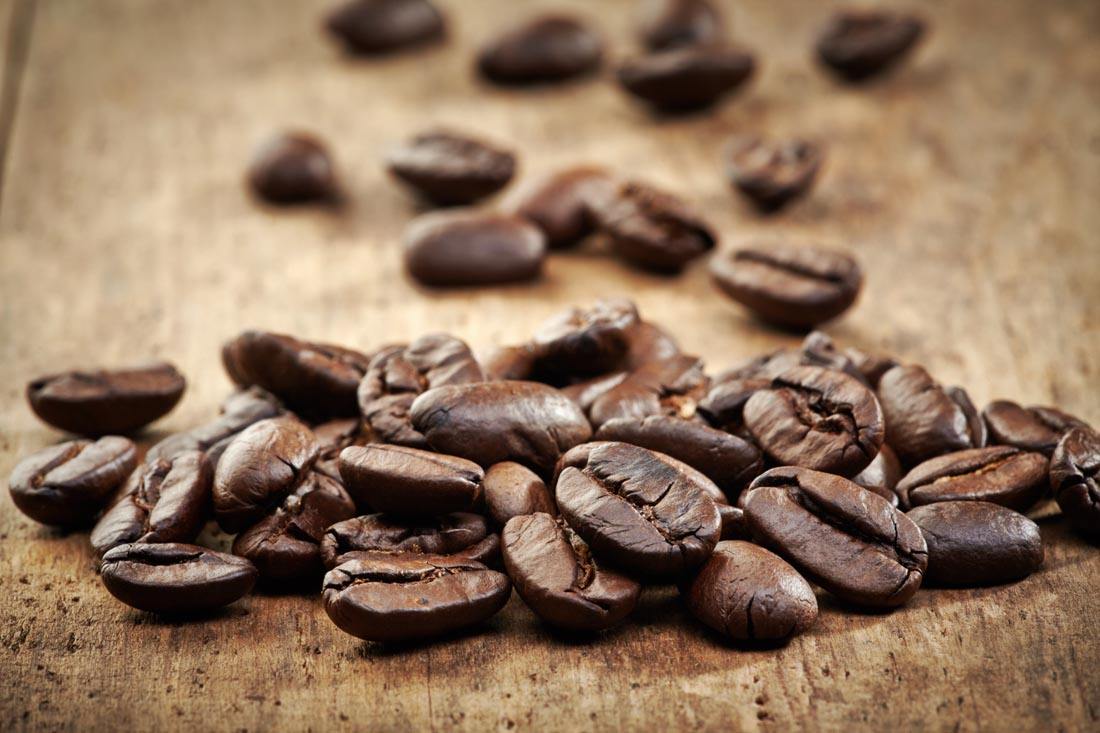
Following Kaiping (official Wechat account vdailycom) has found that climate change may cause about half of Ethiopia's coffee-growing areas to become unsuitable for coffee cultivation by the end of the century. However, the study report is not all bad news, the researchers also proposed that through the transfer of coffee producing areas, afforestation and forest protection, the total area of coffee cultivation is expected to expand
Forecasts show that coffee production in Brazil will be reduced by more than 9% this year.
Brazilian coffee production will reach 44.57 million bags (60 kilograms each) this year, a decrease of 9.33 percent from 2013, according to the latest forecast released by the Brazilian state supply company on the 15th.

Flavor description of coffee bean production area in Elgon, Uganda introduction of varieties in manor production area
The coffee industry in Uganda is one of the pillar industries of its export. Uganda is the birthplace of Robsta in Africa, just as Ethiopia is the native place of Arabica coffee. Robster coffee was first found in Uganda. So far, Uganda has a history of growing coffee for more than 100 years. The output is
Coffee common sense lists all kinds of fancy coffee making methods
1. Italian pure (espresso) coffee-ESPRESSO: material: Italian steam pressurized kettle. The thickest stir-fried coffee beans are very fine ground 6-8 grams. Production: pour the right amount of boiling water into the Italian steam pot, put the coffee powder into the coffee basket, press, tighten the upper and lower pot, add heat, and pour the water into the upper pot for a while. It is produced. two。 Italian latte CARFFE LATTE: material: small ESPRESSO.2-4 cups of hot milk. Production: in

Brief History and present situation of Coffee production
A brief History of Coffee production in 1742, coffee was introduced to El Salvador from the Caribbean (1740). In the mid-19th century, El Salvador's original export pillar indigo (Indigo, a kind of dye) industry received a gradual decline in the development of synthetic dyes in Europe, and coffee gradually became the main export product under the leadership of the government. In 1856, the first 693 bags of coffee beans were shipped to Europe.

Ethiopian Coffee Cooperative Name and Introduction African Fine Coffee Aduoduo High Quality Cooperative
Fine coffee is fresh coffee. Whether it's food or drink, the fresher the better, and so is specialty coffee. Coffee beans should be kept fresh before making fine coffee, including the preservation of roasted beans, and the coffee beans should be ground before making, which is also to retain its most original and best flavor. And hand brewed coffee making is such a way to make fine coffee

The production of Ugandan Arabica coffee beans accounts for only 10% of the country's total coffee production.
In Uganda (Uganda), Arabica coffee beans account for only 10 per cent of the country's total coffee production, but it is enough to attract attention. Uganda's best coffee is mainly produced in the mountains of Elgon and Bugisu along the Kenyan border in the north and Ruwensori in the west, and is available for export in January or February of each year. Red

Brief introduction of coffee production in El Salvador
A brief History of Coffee production in 1742, coffee was introduced to El Salvador from the Caribbean (1740). In the mid-19th century, El Salvador's original export pillar Indigo (one of the dyes) received a gradual decline in the development of synthetic dyes in Europe, and coffee gradually became the main export product under the guidance of the government. In 1856, the first 693 bags of coffee beans were shipped to Europe. all long
Coffee making skills several fancy coffee practices
Fancy coffee making: 1. Italian pure (espresso) coffee-ESPRESS material: Italian steam pressurized kettle. The thickest stir-fried coffee beans are very fine ground 6-8 grams. Production: pour the right amount of boiling water into the Italian steam pot, put the coffee powder into the coffee basket, press, tighten the upper and lower pot, add heat, and pour the water into the upper pot for a while. It is produced. two。 Italian latte CARFFE LATTE: material: small ESPRESSO.2-4 cup hot cow

A brief history of coffee production in El Salvador
A brief History of Coffee production in 1742, coffee was introduced to El Salvador from the Caribbean (1740). In the mid-19th century, El Salvador's original export pillar Indigo (one of the dyes) received a gradual decline in the development of synthetic dyes in Europe, and coffee gradually became the main export product under the guidance of the government. In 1856, the first 693 bags of coffee beans were shipped to Europe. all long
The practice of making several kinds of fancy coffee
Fancy coffee making: 1. Italian pure (espresso) coffee-ESPRESS material: Italian steam pressurized kettle. The thickest stir-fried coffee beans are very fine ground 6-8 grams. Production: pour the right amount of boiling water into the Italian steam pot, put the coffee powder into the coffee basket, press, tighten the upper and lower pot, add heat, and pour the water into the upper pot for a while. It is produced. two。 Italian latte CARFFE LATTE: material: small ESPRESSO.2-4 cup hot cow
Ethiopia Yega Xuefei Coffee Raw Leguminoscier kochere production area Water washing treatment G2 level
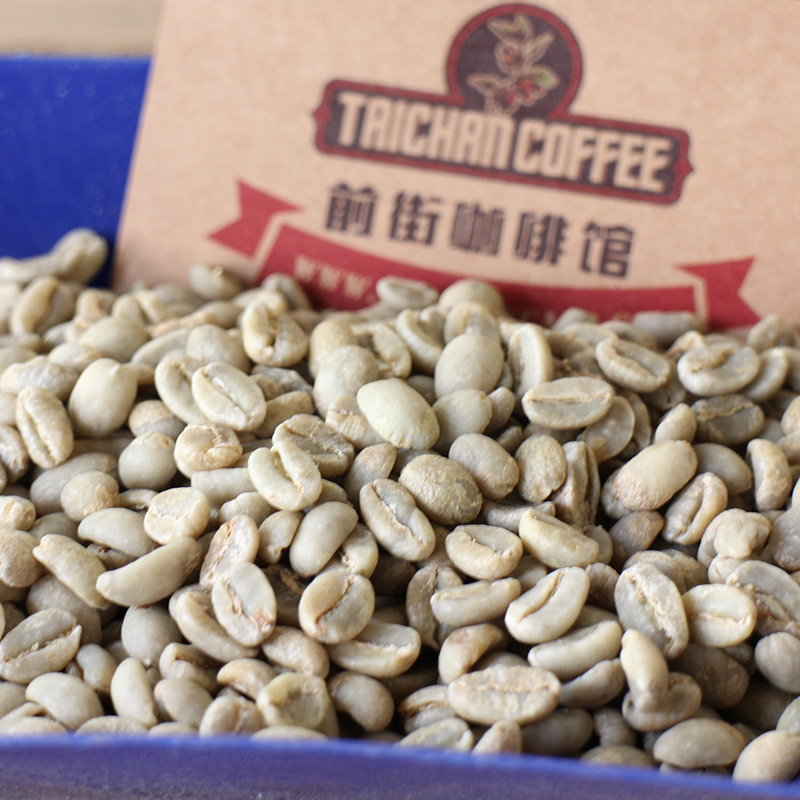
Cochel is located in a small producing area 25 kilometers southeast of Yegashafi, Ethiopia. It is a rich area for coffee production. It is also one of the three famous and micro-producing areas of Yegashafi. It has about 100,000 local residents, and coffee beans are the main source of income. The processing and processing equipment in this area is very advanced. CoffeeReview, a well-known coffee evaluation website, gave Kocher a high rating of 94 points for washed beans.