
"Production"
57160 article(s) found

Annual report on Nicaraguan Coffee 2017
Foreword Nicaragua's coffee production in 2016 / 2017 is estimated at a record 2.3 million bags, an increase of 7 per cent over the previous year. The rainy season is responsible for the increase in production, causing coffee trees to blossom earlier and begin to bear fruit. For 2017 / 2018 degrees, assuming good weather conditions, the forecast for the coffee sector will be very close to this year's production.

Ugandan Coffee Flavor Ugandan Coffee Taste introduction to Ugandan coffee producing areas
Uganda's coffee production ranks first in Africa, accounting for more than 70% of its total exports. Uganda is also the hometown and main producing area of Robes specialty coffee. In the 1960s, Ugandan coffee production remained at 3.5 million bags a year. By the mid-1980s, coffee production had dropped to 2.5 million bags a year, mainly for political reasons. But now coffee production is on the rise again, which is large at present.

Production method of Vietnamese Musk Coffee
Production method editing production method (4 pieces) roasting process of Luwak coffee beans: 1, civets love to eat ripe red coffee fruits on coffee trees; 2, pick out undigested coffee seeds from cat droppings; 3, remove the silver gray film of coffee seeds, wash them in the sun and dry them in the sun; 4, stir-fry Luwak coffee beans. Editor of production skills 1. Indonesia
Practical explanation on the examination rules of roasting Coffee production license [GB]
The coffee tree belongs to the Rubiaceae. Out of a total of 73 varieties, only Arabica (Coffea ara-bica Linnaeus) and Canifera (Coffea canephora Pierre) are cultivated by humans. The remaining 71 varieties are wild, but of no value to growers.

The development and production process of coffee pull technology-learn to make pull coffee from scratch
Coffee pull technology development and production process-from scratch to learn to make pull coffee steam milk foam machine or manual milk bubble pot: what is milk foam? Milk foam is the product of a fine mixture of milk and air. The way to make milk foam is to pump air into the milk. The principle is simple, but it is not a simple thing to make a cup of dense and meticulous foam. The most common problem is that too
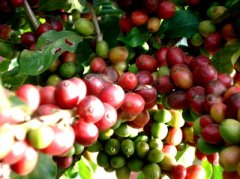
Ethiopia G1 Sidamo Coffee Bean Production Area Introduction--Xiachisuo Micro-production Sidamo Coffee
Ethiopia Shakiso Micro-Region Washed G1 Sidama Coffee Bean Details: Country: Ethiopia Grade: G1 Region: Sidama Guji Shakiso Micro-Region Roast Degree: Light Roast (First Explosion End) Processing Method: Washed Variety: Native Species Producer: Local Smallholder Flavor: Lemon, Citrus, Earl Grey, Caramel [Plant Introduction] Shakiso (Shaki
Ministry of Agriculture: Coffee plantations must be replanted to increase coffee production by 50%
Professional barista exchanges please pay attention to coffee workshop (Weixin Official Accounts cafe_style ) Ministry of Agriculture (Kementan) promises to increase coffee production nationwide, because Indonesia ranks only 4th in the world in coffee production, with an average annual output of 0.6 tons per hectare. Based on that production, Indonesia produced just 691, 000 tonnes of coffee last year, well below Colombia's 840, 000 tonnes and Vietnam's 1.6 million tonnes

Ethiopian low-caffeine Series Shakiso Solar G1 Flavor characteristics | Coffee production area introduction
Production area: Ethiopia Guji producing area: Shakiso processing plant altitude: 1800 meters above sea level: original species treatment: sun flavor: with lemon fragrance and elegant flower aroma, soft sour white grapes, sweet citrus fruits, balanced Earl tea, cocoa and apricot bottom rhyme. The Mountain Water Decaf uses Pico de Orizaba, the highest peak in Mexico (5500m above sea level).

Practical explanation on the examination rules of roasted Coffee production license
First, the general situation of the development of the industry. Coffee tree belongs to Rubiaceae. Out of a total of 73 varieties, only Arabica (Coffea ara-bica Linnaeus) and Canifera (Coffea canephora Pierre) are cultivated by humans. The remaining 71 varieties are wild, but of no value to growers. The 200 varieties of Arabica include the previous varieties of Mocha, Bourbon and Horse.
Uganda plans to quadruple coffee production
(Market WatchNicholas Bariyo) Uganda, Africa's largest coffee exporter, is planning to quadruple its coffee production in the next few years to profit from rising global coffee consumption and increase export earnings, Uganda's president said on Saturday. A presidential spokeswoman quoted Ugandan President Yoweri Museveni
Uganda plans to quadruple coffee production
Uganda, Africa's largest coffee exporter, is planning to quadruple its coffee production in the next few years in order to profit from rising global coffee consumption and increase export earnings, the President of Uganda said on Saturday. A presidential spokeswoman quoted Ugandan President Yoweri Museveni as saying that
Peruvian coffee production may fall by 8%
The Peruvian National Coffee Council recently announced that Peru's coffee production will continue to decline in 2014 due to the yellow rust disaster, which is expected to reach only 4.8 million piculs (46 kilograms per picul), down about 8 percent from 5.2 million piculs this year.
Production of caramel
Caramel introduction: whether it is all kinds of coffee drinks, pudding cakes, or milk tea drinks, caramel is widely used. Previous blog posts have a lot of coffee or beverage production are also using caramel, interested can take a look. Caramel production: sugar or a concentrated solution of sugar heated to more than 100 ℃ will undergo caramelization and sugar decomposition; at the same time, accompanied by brown production

Coffee bean production reduced coffee production in the Philippines in 2014
According to a report in the Business Mirror on February 4, the output of Robusta coffee in the Philippines in 2014 was 7.56t, down 4.06% from the same period last year, and the export of 12000 bags (60kg / bag) doubled from the same period last year. Robusta coffee has high yield, strong resistance to insects and diseases, and is widely planted in the Philippines, accounting for more than 70% of the total output of the Philippines. The Philippines is located in the tropics and the soil is volcanic rock soil.

Global coffee production Zaire coffee production
High quality coffee from Zaire is dwindling, but the taste of Zaire coffee is still excellent. Coffee production in Zaire: The best Zairian coffee is grown in the north-east of the country, particularly in the provinces of Oriental and Kivu, and these areas used to produce the best bean-berry coffee beans and giant coffee beans. Zaire Minor

A 23% drop in coffee production in Indonesia leads to a decline in exports
According to the Jakarta Post of Indonesia on June 25, the International Coffee Organization (ICO) said that as the dry season continues, Indonesian coffee production has declined and exports have declined. Data show that coffee production fell 23 per cent year-on-year to 54000 tons from April 2014 to March 2015, while exports fell from 61200 tons to 33600 tons. And it is expected that without the influence of El Ni ñ o, the weather will be stable.

A complete Collection of 26 kinds of Fine Coffee
1. Brandy Flame Coffee: one hot coffee, one lemon, a little brandy. Make: adjust the sweetness of the hot coffee, cut the lemon peel into a spiral and soak in brandy, light the lemon peel with fire and quickly place it on the edge of the coffee cup. Produced. two。 Orange tequila coffee: material: hot coffee, tequila 10g-25g, orange. Production: add dragon to hot coffee
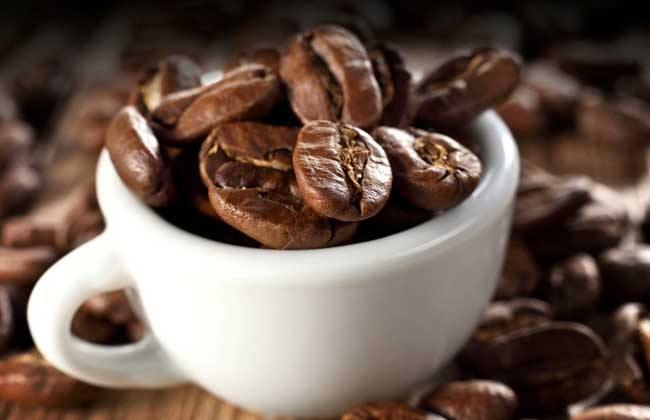
Nicaraguan coffee production, Nicaraguan coffee introduction
Following caf é (Wechat official account vdailycom) found that the Beautiful Caf é opened a small shop of its own Nicaraguan coffee production coffee is Nicaragua's main export product. According to the president of the Nicaraguan Coffee Farmers' Federation, due to the poor harvest of coffee in Nicaragua's Pacific region, the country's total coffee production in 1998 may be 12% lower than that in 1997.
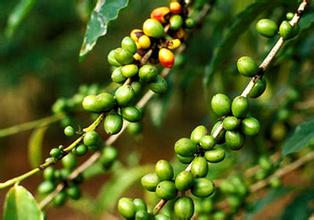
Introduction to the characteristic flavor of four forms of Ethiopian coffee beans grown and produced in Ethiopia coffee
Growth and production patterns: there are four growth production patterns in Ethiopia, and 95% of coffee is produced from these types or systems. 1. Forest grows in southern and southwestern Ethiopia, mostly wild or under natural forests. It provides natural shade for coffee trees, but the resistance is slightly weak. This production system accounts for about

An introduction to the History of Coffee producing areas in Vietnam
Follow Kaiping (Wechat official account vdailycom) found that Beautiful Cafe opened a small shop of its own production and marketing resume there are many large estates in Vietnam, most of which are controlled by multinational companies. Therefore, it is possible to know the production and marketing resume of coffee, but it is not easy to find high-quality coffee. There is very little coffee of high quality; most of them are quite plain and woody.